

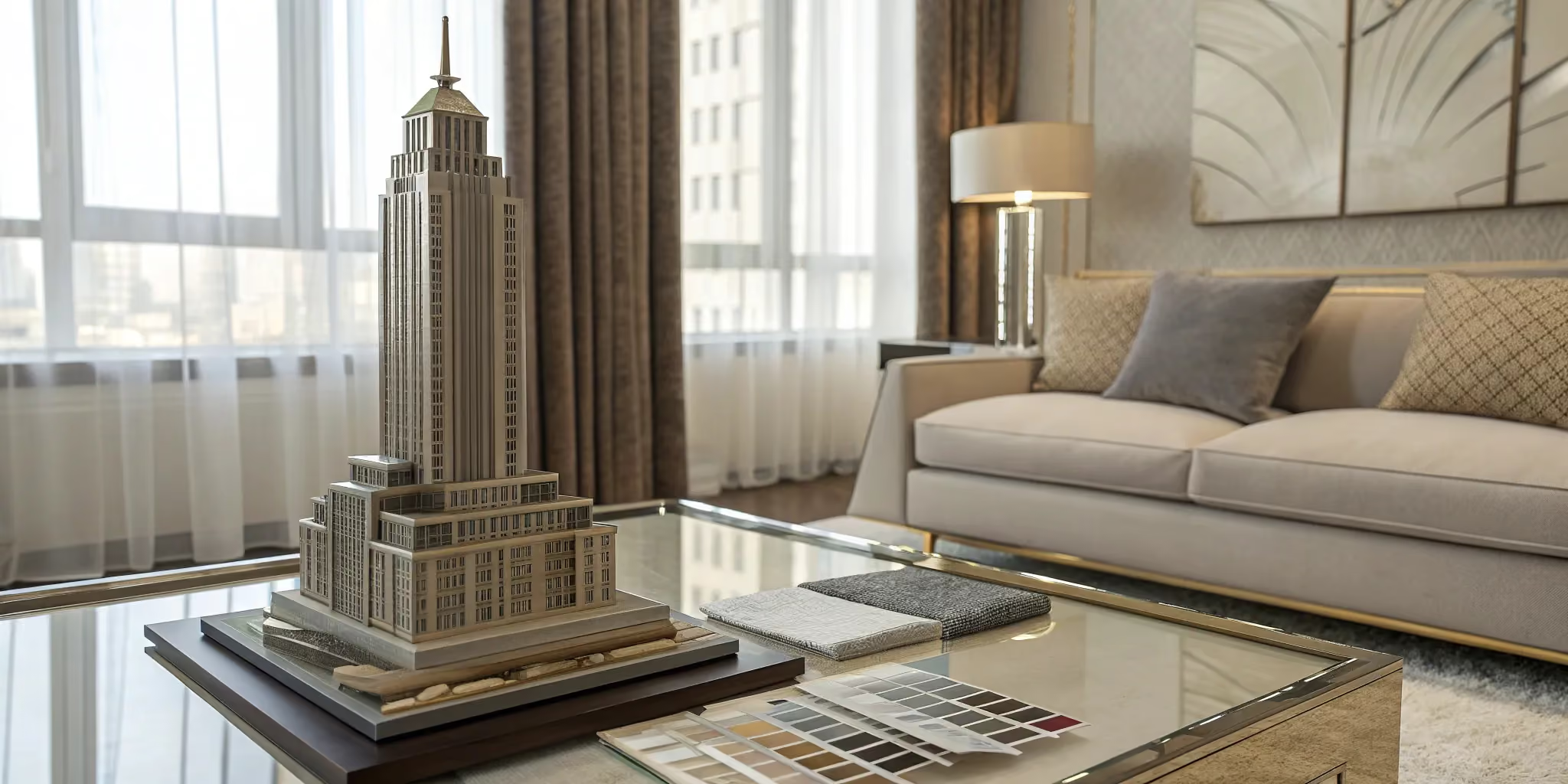
You’ve heard of architects and you’ve heard of interior designers, but it’s not always clear where one job ends and the other begins. If your project is focused on furniture, fabrics, and finishes within existing walls, an interior designer is your expert. But if you’re planning to change those walls—by moving them, removing them, or building new ones—you need a professional with a different skill set. This is the work of architectural interior design, a field that merges structural knowledge with aesthetic expertise to fundamentally reshape an interior space. This guide will clarify the key differences and show you when this specialized approach is essential for your project’s success.
Key Takeaways
- It’s About the Bones of the Building: Architectural interior design is for projects that involve structural changes, like moving walls or reconfiguring a floor plan. It focuses on how the space is built and functions, not just how it's decorated.
- An Integrated Team is Your Best Asset: A design-build firm that combines architects, designers, and contractors under one roof eliminates miscommunication and keeps your project on track. You get a single point of contact, transparent budgeting, and a more efficient process.
- Do Your Homework on Potential Partners: Before hiring a team, confirm they hold the required architectural licenses for structural work. Review their portfolio for similar renovation projects and ensure they have proven experience with local Los Angeles building codes.
What is Architectural Interior Design?
Think of architectural interior design as the bridge between a building’s structure and its final look and feel. It’s a discipline that blends the technical skill of an architect with the aesthetic eye of an interior designer. While a traditional interior designer might focus on paint colors, furniture, and fabrics, an architectural interior designer is concerned with the very bones of the space. They look at how a room is built and how it can be modified to function better and feel more intentional.
This approach involves redesigning interior spaces by making structural alterations. It could mean moving walls to create an open-concept living area, reconfiguring a floor plan for better flow, or adding windows to bring in more natural light. It’s about understanding the building as a complete system, where the placement of a wall is just as important as the sofa that goes against it. This holistic view is central to the design-build process, ensuring that every decision, from structural changes to decorative finishes, works together to create a cohesive and functional environment. It’s less about decorating a room and more about shaping the experience of being in it.
How Is It Different From Interior Design?
The main difference comes down to scope and structure. An interior designer typically works within the existing walls of a space. Their expertise lies in creating a beautiful, functional, and safe environment through the selection of furniture, lighting, color palettes, and materials. They are masters of atmosphere and aesthetics, transforming a room without making major structural changes. They work with what’s already there to make it better.
An architectural interior designer, on the other hand, has the expertise to change what’s already there. They focus on the structural components of an interior, looking at the building’s shell and systems. They ask questions like, "Can we remove this wall to combine the kitchen and dining room?" or "Where can we add a staircase to improve circulation?" They have a deep understanding of building codes, materials, and construction methods, allowing them to reimagine a space from the inside out. You can see how these two disciplines come together in a finished project by looking through a diverse portfolio.
Why Structure and Technical Details Matter
A beautiful design is only as good as the foundation it’s built on. This is where the "architectural" part of the title becomes so important. Structure and technical details are everything. Imagine designing a stunning kitchen island with a sink and high-end appliances, only to find out the plumbing and electrical systems can't be routed to that location without a massive, budget-breaking overhaul. An architectural interior designer foresees these challenges from the start.
They focus on the integration of essential building systems—like heating, ventilation, plumbing, and electrical—into the design plan. This ensures that your space not only looks good but also functions flawlessly and safely. By considering these technical elements early on, you avoid costly surprises and delays during construction. This integrated approach is a core part of a clear, step-by-step process that guarantees the final design is both practical and beautiful, with every detail thoughtfully planned.
The Core Principles of Architectural Interior Design
Architectural interior design goes far beyond aesthetics. While a beautiful space is always the goal, this discipline is built on a foundation of principles that merge structure, function, and style into one cohesive whole. It’s about understanding the bones of a building and making them work in harmony with the people inside. Think of it as the science behind the art of creating a space. These core principles ensure that your home or commercial property isn’t just visually stunning but also safe, practical, and built to last.
Integrating Space, Structure, and Style
The first principle is all about seeing the bigger picture. Instead of just decorating a room, an architectural interior designer shapes it. This means looking at the structural elements—walls, windows, doorways, and ceiling heights—and treating them as integral parts of the design. The focus is on creating a seamless flow where the physical structure enhances the interior atmosphere. It’s the difference between adding furniture to a box and designing a space where every element, from a load-bearing wall to a custom-built staircase, feels intentional and connected. Our project portfolio shows how this integration creates spaces that feel both expansive and intimate.
Balancing How It Works with How It Looks
A space can be beautiful, but if it doesn’t work for your daily life, it’s a failure. This principle is about striking the perfect balance between form and function. An architectural interior designer ensures a space is not only visually appealing but also practical and efficient. This involves mapping out how you’ll move through a room, considering natural light sources, planning for electrical and plumbing needs, and making sure the layout supports your activities. This practical approach is central to our design-build process, where we design with your real-world needs at the forefront, creating a home or business that truly works for you.
Meeting Building Codes and Safety Standards
This is the principle that keeps you safe and your project legal. While architects handle the overall structure and interior designers focus on finishes, an architectural interior designer operates at the intersection, ensuring every aspect of the interior complies with building codes and safety standards. This includes everything from fire-rated materials and proper egress routes to electrical codes and accessibility requirements. It’s a non-negotiable part of the job that requires deep technical knowledge. Working with a team that provides licensed architectural design means you have an expert who can manage these critical details, giving you peace of mind.
What Skills Does an Architectural Interior Designer Need?
An architectural interior designer brings a unique mix of creativity and technical precision to the table. It’s a role that goes far beyond choosing paint colors and furniture—it’s about understanding the very structure of a space and how to shape it to be both beautiful and functional. This professional is part artist, part engineer, blending a strong design vision with the practical knowledge of how buildings are put together. To do this effectively, they need a specific set of skills that bridges the gap between architecture and interior design, ensuring every detail, from a load-bearing wall to the placement of a light switch, is thoughtfully considered.
Technical Know-How and Structural Knowledge
The biggest difference between an architectural interior designer and a decorator is their deep understanding of a building’s structure. They don’t just work within the existing walls; they know which ones can be moved, removed, or reconfigured to completely transform a space. This requires a solid grasp of structural design, load paths, and material science. While an interior designer creates an atmosphere, an architectural designer can fundamentally alter the layout and flow of a home or commercial property. This technical expertise is what allows them to design with confidence, knowing their plans are not only inspiring but also safe and structurally sound.
Education, Licenses, and Certifications
This level of responsibility requires serious training. Professionals in this field typically have a formal education in architecture or a related discipline, often culminating in a professional degree. In California, anyone offering licensed architectural design services must be licensed by the state, a process that involves extensive education, experience, and a rigorous exam. This isn't just a piece of paper; it's your assurance that the designer is accountable and has met high standards for public safety and professional conduct. When you’re making significant changes to your property, working with a licensed professional is non-negotiable for ensuring the project is done right.
A Deep Understanding of Building Systems and Regulations
A truly great design seamlessly integrates all the systems that make a building work. An architectural interior designer thinks about how plumbing, heating, ventilation, and electrical systems fit into the overall plan from day one. They consider where windows and doors should be placed for optimal light and flow, and how to hide necessary ductwork without compromising ceiling height. They are also experts in local building codes and regulations, ensuring every aspect of the design is compliant. This comprehensive knowledge prevents costly surprises during construction and ensures your finished space functions as beautifully as it looks.
What Kinds of Projects Need an Architectural Interior Designer?
So, when does it make sense to bring in an architectural interior designer instead of a traditional interior designer or decorator? The short answer is: whenever your project involves changing the structure of the space itself. If you’re moving walls, altering layouts, or building from the ground up, their expertise is not just a nice-to-have—it’s essential.
An architectural interior designer is your go-to expert for projects where the bones of the building are as important as the finishes. They have the technical knowledge to see beyond surface-level aesthetics and ensure your space is safe, functional, and built to last. They are the bridge between the architectural vision and the interior experience, making sure one beautifully supports the other. Let’s look at a few specific project types where their skills truly shine.
Residential Remodels and New Builds
Planning a major home renovation or building your dream house from scratch? This is prime territory for an architectural interior designer. These projects go far beyond choosing furniture and paint colors. They focus on the structural aspects of a space, ensuring that the design is not only aesthetically pleasing but also functional and compliant with building codes. They’ll work with the architect and contractors to make sure your open-concept kitchen has the right structural support and that your new primary suite addition has a logical, comfortable flow. They ensure every detail, from window placement to electrical layouts, supports your lifestyle and results in a cohesive final home.
Commercial Space Planning and Development
For business owners, the design of your space directly impacts your bottom line. Whether you’re opening a new retail store, a restaurant, or designing an office, an architectural interior designer is critical. They specialize in creating environments that are built for performance. Their role is to create environments that enhance user experience while maximizing the efficiency of the space. This means thinking through customer traffic patterns, employee workflow, accessibility requirements, and how the physical space reflects your brand. Their work ensures your commercial property is not just beautiful, but also a strategic asset for your business.
Adapting and Preserving Historic Buildings
Los Angeles has some incredible historic properties, but renovating them requires a delicate touch. This is where an architectural interior designer’s specialized skills are invaluable. You need someone who can integrate modern systems and conveniences without compromising the building’s unique character. These designers know how to balance modern needs with the integrity of the original architecture, ensuring that renovations respect the building's historical significance. They understand how to work with original materials, navigate the complexities of older structures, and make thoughtful updates that honor the past while creating a functional space for today. This expertise is key to a successful and respectful historic renovation.
How Architectural Interior Design Shapes Your Experience
Architectural interior design goes beyond surface-level aesthetics to fundamentally change how you interact with your home or commercial space. It’s the thoughtful planning behind the walls that makes a room feel intuitive, comfortable, and truly yours. When the structure, layout, and core systems of a building are designed with your experience in mind, the result is a space that not only looks beautiful but also works beautifully. This approach considers everything from the path of natural light to the placement of a doorway, ensuring every element contributes to a cohesive and functional whole.
Improving a Space’s Flow and Function
A great layout can make a small home feel spacious or a busy office feel organized. Architectural interior design focuses on the structure and how things work, analyzing traffic patterns to create a natural flow. It’s about asking if the kitchen layout makes cooking easier or if you can move through a room without navigating an obstacle course. By rethinking the placement of walls, windows, and doors, we can craft a space that supports your lifestyle. The goal is to make your daily movements feel effortless, which you can see in our project portfolio.
Seamlessly Integrating Building Systems
The best design often feels invisible—you just feel comfortable. Architectural interior design is responsible for weaving essential building systems into the fabric of your space. This means strategically planning for plumbing, electrical, and ventilation from the start, ensuring they are integrated without compromising your design vision. By considering where windows and doors go in relation to these systems, an integrated design-build team can make sure every component works in harmony. This creates a home that is as smart and functional as it is beautiful, avoiding awkward bulkheads or poorly placed vents.
Creating a Healthy and Supportive Environment
Your environment has a profound impact on your well-being, and architectural interior design is key to creating a space that feels both healthy and supportive. This involves designing for natural light, promoting good air circulation, and creating a sense of openness. A well-designed space can reduce stress and improve your quality of life. Plus, these thoughtful improvements can significantly increase your property’s market value. An expertly planned interior makes a property feel more spacious and usable—a huge draw for potential buyers and a daily benefit for you.
Choosing Your Design Approach: Common Hurdles
Deciding to remodel or build is exciting, but it can also feel like you’re standing at the bottom of a mountain. You have a vision, but the path to getting there seems filled with confusing terms, budget questions, and big decisions. It’s completely normal to feel a little overwhelmed. The key is to break it down. Most of the initial stress comes from three main areas: figuring out the actual scope of your project, understanding the costs, and making sense of who does what. Let’s walk through these common hurdles so you can move forward with confidence.
Defining Your Project's Scope and Complexity
First things first: what are you really trying to accomplish? Are you dreaming of moving walls to create an open-concept kitchen, or are you focused on new furniture, paint, and finishes to refresh your living room? This distinction is the difference between needing architectural interior design and interior design. Architectural interior design deals with the structure—the bones of your home. It’s about remodeling existing spaces, changing layouts, and ensuring everything is structurally sound. Interior design focuses more on the aesthetics—the look and feel that bring a space to life. Knowing whether your project involves structural changes is the first step in choosing the right professional team and mapping out a realistic plan. Getting this clear from the start helps ensure your project services align perfectly with your goals.
Understanding the Budget and Cost Implications
Let's talk about money. Your budget is one of the most important factors in your project, and your design approach directly influences the final cost. Structural modifications, like removing a load-bearing wall or adding a second story, will naturally have a higher price tag than cosmetic updates. But it’s also helpful to think of your budget as an investment. A well-designed space doesn’t just improve your daily life; it can significantly increase your property's market value. A great design partner will help you understand all the costs involved, from permits and materials to labor. They can show you where your money is going and help you make smart decisions that honor both your vision and your finances, following a clear process from day one.
Cutting Through the Industry Jargon
Architect, interior designer, general contractor—it’s easy to get lost in the titles and terminology. Who do you actually need to hire? In simple terms, architects handle the building’s structure and shell, while interior designers focus on the spaces within. An architectural interior designer often bridges that gap, especially on remodels. You don’t need to become an expert in industry jargon, but you do need a team that communicates clearly and works together seamlessly. When your architect, designer, and contractor are all on the same team, you have a single point of contact. This integrated approach cuts through the confusion, ensuring everyone is on the same page and working toward your vision without you having to play translator between different professionals.
What Does the Architectural Interior Design Process Look Like?
So, what actually happens when you bring an architectural interior designer onto your project? It’s a structured journey that blends creative vision with technical precision. The process starts with a deep understanding of the building itself and ends with a space that is not only beautiful but also functional, safe, and built to last. At a design-build firm, this process is seamless because the architects, designers, and contractors are all working together from day one, ensuring your project stays on track and true to your vision.
The Initial Assessment and Structural Review
The first step is a thorough assessment of your existing space. This is where the "architectural" part of the job really shines. While interior design often focuses on creating an atmosphere, architectural interior design begins with the structure. Our team dives deep into the building’s bones, evaluating everything from load-bearing walls to the current state of your electrical and plumbing systems. This structural review is a critical part of our Clear 4-Step Process, ensuring that any proposed changes are both safe and feasible before we even start sketching.
Developing the Design and Technical Plans
Once we understand the structure, we develop the design through detailed technical plans. Architectural interior designers are experts at reimagining spaces, which means thinking about where windows and doors should go or how to integrate new heating, plumbing, and ventilation systems. We create precise blueprints that serve as the roadmap for construction. These comprehensive documents specify every structural change and system integration, forming the foundation of our licensed architectural design services and guiding the entire build from start to finish.
Coordinating with Architects and Contractors
A great plan requires great execution, which is why constant coordination is key. Having the architect, designer, and contractor on the same page from the beginning allows for a smooth exchange of ideas and helps catch potential issues early. This collaboration is the heart of the design-build model. Our integrated team handles all communication internally, ensuring the creative vision is built exactly as planned. This approach helps solve on-site challenges efficiently, keeping your project moving forward without unnecessary delays or budget surprises.
Why a Design-Build Firm Is Your Best Bet
When you’re taking on a major remodel or new build, the last thing you want is to play telephone between your architect, contractor, and interior designer. The traditional approach separates these roles, often putting you in the middle as the project manager. This can lead to a frustrating cycle of miscommunication, conflicting plans, budget surprises, and delays that push your completion date further and further away. It’s a fragmented process that can add unnecessary stress to an already complex undertaking, turning an exciting project into a source of anxiety.
This is where the design-build model completely changes the game. Instead of hiring separate entities, you partner with one cohesive team. By bringing licensed architects, general contractors, and interior designers together under one roof, a design-build firm offers a unified approach that keeps your project on track and your vision intact from start to finish. Everyone is on the same page, working from the same set of plans, and accountable to each other and to you. This single-source responsibility is the key to a successful project. It’s a simpler, smarter, and more collaborative way to manage the complexities of a build, ensuring a smoother journey from initial concept to final walkthrough.
The Power of an Integrated Team
Imagine your architect and interior designer collaborating from the very first meeting. When both experts are present from the project's inception, it allows for a seamless exchange of ideas and insights. This collaboration fosters a holistic approach, ensuring that the architectural plans and the interior elements work together perfectly. Instead of a structural change creating a design problem down the line, your integrated team anticipates these challenges. This means the home’s flow, lighting, and structural integrity are all considered as one cohesive unit, resulting in a space that is both beautiful and brilliantly functional.
Clear Communication and Project Management
One of the biggest advantages of the design-build model is having a single point of contact. You have one team, one contract, and one unified vision. By communicating with a team that already includes both architectural and design experts, you ensure your goals are reflected in every decision. This integrated communication streamlines the entire project management process, dramatically reducing the chance of misunderstandings or costly revisions. Following a clear, established process means you always know what’s happening next, who is responsible, and that everyone is working together toward the same end goal: creating your perfect space.
Transparent Costs and Efficient Timelines
With a design-build firm, your budget is a central part of the conversation from day one. The team can provide a clear, all-in overview of costs associated with both architectural and interior design elements, which allows for much better budget management. Because the people designing the space are also the ones who will build it, the cost estimates are grounded in real-world pricing and material availability. This efficiency also extends to the timeline. An expertly designed interior can make even a modest property feel spacious and well-utilized, and when that design is integrated with the build process, it saves time and ensures the project stays on schedule.
How to Choose the Right Architectural Interior Design Team
Finding the right team for your project can feel like a huge task, but it doesn't have to be. When your project involves changing the structure of your space, you need a team with a specific blend of creative vision and technical skill. It’s about more than just picking out paint colors and furniture; it’s about ensuring the bones of your home or commercial building are sound, safe, and perfectly suited to your needs. To make a confident choice, focus on three key areas: their qualifications, their past work, and their understanding of local regulations. These pillars will help you identify a team that can truly bring your vision to life, from the structural framework to the final finishes. A firm that integrates design-build services often has these qualifications under one roof, simplifying the entire process for you.
Verify Licenses and Technical Expertise
First things first, check their credentials. There's a significant difference between an interior designer and a team with architectural expertise. While a talented interior designer might have a degree, they aren't always required to have a formal license to practice. An architect, on the other hand, typically completes a five-year degree and must be registered to handle structural changes. When your project involves moving walls, altering layouts, or anything that impacts the building's structure, you need someone with proven licensed architectural design skills. Don't be shy about asking for license numbers and professional certifications. This ensures your team has the formal training to manage the technical complexities of your project safely and effectively.
Review Their Structural and Renovation Portfolio
A portfolio speaks volumes. When you’re looking for an architectural interior design team, you want to see more than just beautifully decorated rooms. Look for a portfolio that showcases a range of structural renovations and remodels. As Falmouth University notes, interior architecture places a strong emphasis on "the remodeling of existing buildings." Pay close attention to before-and-after photos of projects similar to yours. Do they have experience with major remodels, additions, or even a complete fire rebuild? This visual evidence demonstrates their ability to not only design a beautiful space but also to execute complex structural changes and reimagine a building from the inside out.
Confirm Their Knowledge of Local Codes and Permits
Every city has its own set of rules, and Los Angeles is no exception. A team with deep knowledge of local building codes and permitting processes is invaluable. Your designer must ensure the project adheres to all safety regulations, from electrical and plumbing plans to structural integrity. An experienced team will handle the technical drawings and coordinate with engineers, making sure every detail is up to code. This expertise prevents costly delays and headaches down the road. A firm that outlines a clear 4-step process from the start shows they have the experience to manage these critical administrative and regulatory steps, letting you focus on the exciting parts of your project.
Related Articles
- Residential Licensed Architectural Design Los Angeles
- The Hidden Costs of DIY Interior Design and Why Hiring a Professional Actually Saves You Money
- Choosing an Architect or Home Designer
- The Process of Architectural Design
- What to Expect When Working with an Architect
Frequently Asked Questions
How do I know if my project needs an architectural interior designer? The simplest way to figure this out is to ask yourself: "Am I planning to move, remove, or add any walls?" If the answer is yes, you need an architectural interior designer. Their expertise is essential anytime you're changing the physical layout or structure of a space, not just its surface-level appearance. If your project is limited to new paint, furniture, and finishes within the existing walls, a traditional interior designer is likely all you need.
Does an architectural interior designer also handle the decorating, like furniture and paint colors? Yes, absolutely. This is one of the biggest benefits of this approach. An architectural interior designer considers the project as a whole, from the structural framework to the final decorative touches. They ensure that the layout, lighting, and flow of the space work in perfect harmony with the furniture, color palette, and materials. This creates a truly cohesive environment where every single element feels intentional and connected.
Is this service only for massive renovations, or can you help with a smaller-scale remodel? This service is less about the square footage of your project and more about its complexity. A small kitchen remodel that involves removing a wall to create an open-concept space is a perfect example of a project that needs architectural interior design. Any time you are reconfiguring a layout, altering plumbing or electrical systems, or making structural changes, their skills are critical, regardless of the project's overall size.
Is it more expensive to hire a design-build firm for architectural interior design? While it might seem like a bigger initial investment, working with an integrated design-build firm is often more cost-effective in the long run. When your architect, designer, and contractor are all on the same team, you eliminate the costly communication errors and surprise revisions that often happen when hiring separate professionals. This streamlined process leads to greater efficiency, fewer delays, and a much clearer, more predictable budget from the very beginning.
What's the first step I should take if I'm considering a project that involves structural changes? Your first step is to get clear on your goals. Think about what isn't working in your current space and what you hope to achieve with a remodel. Once you have a general idea, the next move is to consult with a professional team. An initial assessment will help you understand what’s structurally possible, what the permitting process might look like, and how your vision aligns with your budget.

.svg)

















.avif)