

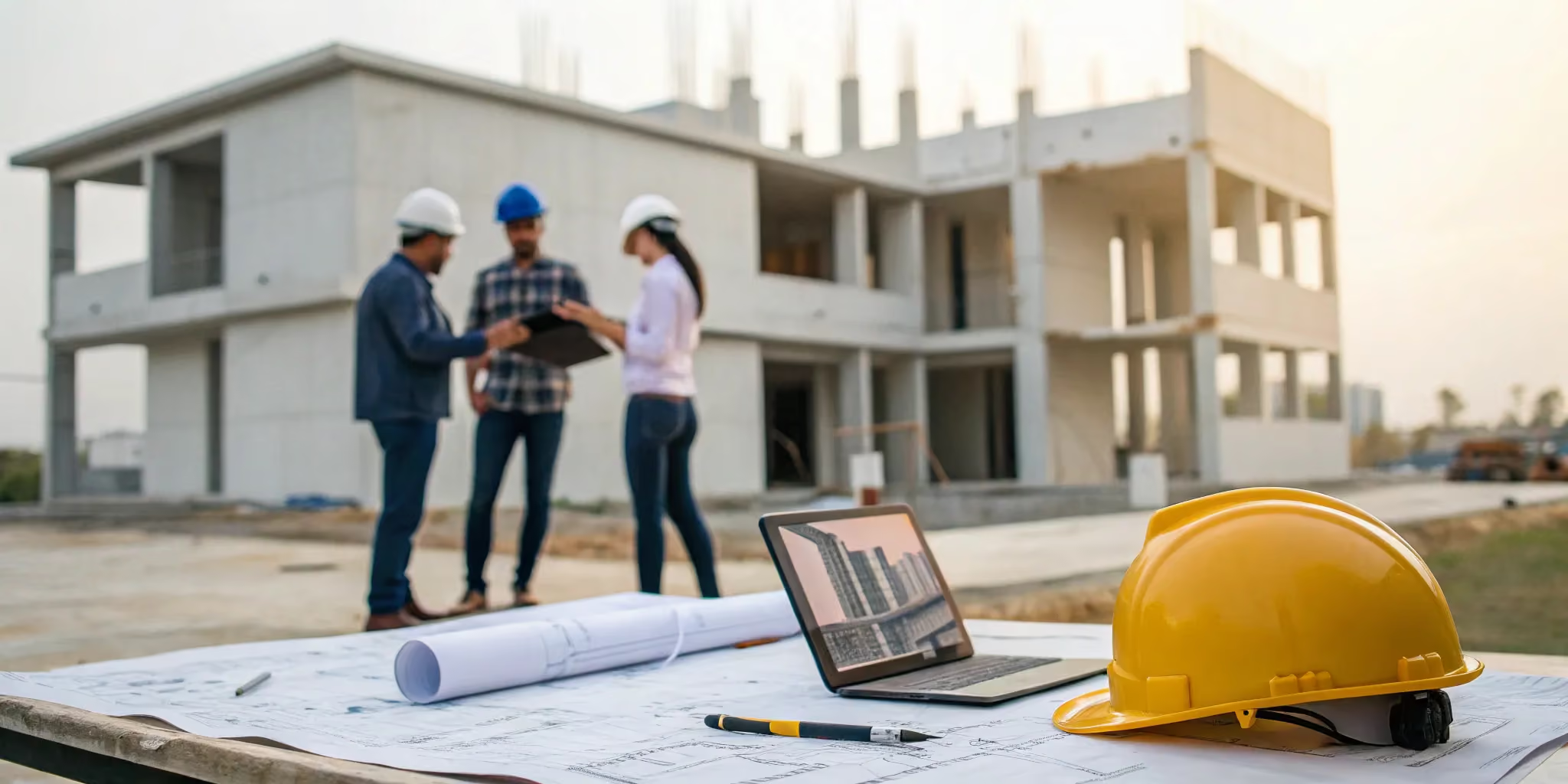
Let’s be honest: the budget is often the biggest source of stress in any construction project. With the traditional approach, you might spend thousands on architectural plans only to discover they’re far too expensive to build once you send them out for bids. This frustrating cycle can kill your project’s momentum before it even starts. The integrated design-build model flips this script by involving your builder from the very first design meeting. This ensures you get real-time cost feedback, allowing the team to align your vision with your budget from the start. We’ll explore the financial benefits of integrated design and construction and show you how it provides the cost certainty you need.
Key Takeaways
- Get Financial Certainty Early On: An integrated team aligns your design with your budget from day one, providing a reliable, all-in price much earlier in the process and preventing costly surprises down the road.
- Experience a Smoother, Faster Project: By having architects and builders collaborate from the start, project phases can overlap and potential issues are fixed before construction begins, saving you months of time and eliminating common construction headaches.
- Ensure Your Vision Is Built as Designed: A unified team guarantees the people building your space are in constant communication with the people who designed it, ensuring every detail is executed accurately and the final result perfectly matches your original vision.
What is Integrated Design and Construction?
If you’re planning a major remodel or new build, you’ve probably heard horror stories about architects and builders not seeing eye-to-eye, causing stressful delays and budget surprises. Integrated design and construction is a modern approach that prevents these exact problems. Instead of hiring separate firms that may have conflicting ideas, you work with one cohesive team from the very first sketch to the final walkthrough.
This single, unified team—including architects, interior designers, and general contractors—collaborates from the start, which means your project benefits from a range of expert perspectives right away. This ensures everyone is aligned with your vision, budget, and timeline. It’s a streamlined, common-sense method that puts your project’s success first. By bringing all the key players to the table from day one, the integrated approach turns a potentially fragmented process into a smooth, coordinated effort. This method is at the heart of the design-build model, which focuses on teamwork and shared accountability for the entire project, from concept to completion.
The Traditional Method vs. The Integrated Approach
The traditional way of managing a construction project involves a linear, step-by-step process. You hire an architect to create a design, and once the plans are complete, you bid them out to find a general contractor. The problem is that these two teams work in silos. The builder isn't involved in the initial design phase, which can lead to discovering that certain design elements are impractical or far more expensive to build than anticipated. This often results in costly redesigns and frustrating delays before construction even begins.
In contrast, an integrated approach brings your architect and builder together from the very beginning. As a team, they collaborate on the design, ensuring it’s both beautiful and buildable within your budget. The builder can provide real-time cost feedback and suggest materials or methods that save time and money, while the architect ensures the design integrity is never compromised. This upfront collaboration helps you avoid problems down the road.
The Core Elements of an Integrated Project
At its core, an integrated project is all about teamwork. It’s a collaborative method where everyone involved—the client, architect, and builder—works together toward a shared goal. This ensures that every aspect of the project, from the overall aesthetic to the smallest functional details, is considered from the outset. This holistic view prevents the "that's not my job" mentality that can plague traditional projects.
This process relies on open communication and a clear, established workflow, like our Clear 4-Step Process. When your entire team is under one roof, they can easily share ideas, solve problems creatively, and make sure every decision supports your ultimate vision. The result is a more efficient process and a final space that is thoughtfully designed and expertly constructed, because everyone was on the same page from the start.
How an Integrated Approach Speeds Up Your Project
One of the biggest frustrations in any construction project is the timeline. Delays can feel inevitable when you’re coordinating separate architecture and construction firms. The traditional process creates a linear, and often slow, path forward: design is completed, then it’s sent out for bid, then a contractor is chosen, and only then can work begin. An integrated approach turns this on its head by bringing everyone to the table from the very beginning. This collaborative model is designed to eliminate unnecessary downtime, streamline communication, and move your project forward more efficiently. Instead of waiting for handoffs between teams, we work in parallel, saving you valuable time and getting you into your new space sooner.
Make Decisions Faster
When your architect, interior designer, and general contractor are all part of the same team, decision-making happens in real-time, not over a long chain of emails and phone calls. If a design question comes up, the builder is right there to offer input on feasibility and cost. If a construction challenge arises, the architect is on hand to find a creative solution that preserves the design intent. This constant collaboration means we can solve problems on the spot. Having our in-house team work together fosters innovative thinking and cuts down on the weeks you might otherwise spend waiting for separate firms to align.
Overlap Project Phases to Save Time
In a traditional project, construction can’t start until every single design detail is finalized and documented. The integrated design-build model allows for a much more dynamic timeline. We can overlap phases of the project, a method often called "fast-tracking." For example, we can break ground and begin foundation work once the core structural plans are complete, even while our team is still finalizing interior finish selections with you. This parallel workflow is a core part of our Clear 4-Step Process and can shave months off a project schedule by eliminating the "stop and wait" nature of the old-fashioned approach.
Get Everyone on the Same Page from Day One
Miscommunication is a primary source of delays and budget overruns. An integrated approach minimizes this risk by ensuring every key player is involved from the very first meeting. Your builder understands the design vision from its inception, and your architect designs with a practical understanding of construction methods and costs. This shared knowledge base means everyone is working toward the same goal from day one. There’s no finger-pointing or confusion about project scope because the entire team has a unified perspective, which keeps the project moving forward smoothly and predictably.
How Integrated Design-Build Protects Your Budget
Let’s be honest: the biggest source of stress in any major construction project is usually the budget. The fear of costs spiraling out of control can overshadow the excitement of creating your dream space. The traditional process, where architects and builders work in separate silos, often creates financial surprises. An architect might design something beautiful that turns out to be far more expensive to build than anticipated, leading to painful redesigns or a blown budget.
The integrated design-build model flips this script. By bringing design and construction professionals together as one team from the very beginning, we can align your vision with your budget from day one. This collaborative approach isn’t just about convenience; it’s a strategic way to manage costs effectively. The entire process is built around financial transparency and proactive problem-solving. Instead of reacting to budget issues as they arise, we anticipate them. This means you get a realistic, comprehensive understanding of your project's cost early on, helping you avoid the expensive change orders and delays that plague traditional projects. It’s about giving you peace of mind and financial control every step of the way.
Control Costs from the Start
In a traditional project, you might spend months and thousands of dollars on architectural plans, only to find out they’re 30% over your budget when you finally send them out to builders for bids. It’s a frustrating and inefficient cycle. With an integrated approach, your builder is in the room with your architect from the first meeting. As design ideas are explored, the construction team provides real-time cost feedback. This allows us to value-engineer the project as we go, finding smart ways to save money without compromising on quality. By getting everyone together early, the team can find efficiencies that lead to a better, more accurate price. Our Clear 4-Step Process is designed to make this collaboration seamless.
Avoid Expensive Change Orders and Rework
Change orders are the number one budget killer in construction. They happen when a problem is discovered on-site that requires a change to the original plans—and they almost always come with a hefty price tag for both labor and materials. An integrated team significantly reduces this risk. Because our architects and builders work together to review plans before a single hammer is swung, potential construction challenges are found and fixed on paper, not on the job site. This deep collaboration ensures the design is not only beautiful but also buildable and practical. We can solve potential framing issues, tricky utility runs, or material conflicts early on, before they become expensive, time-consuming problems during construction.
Get Transparent, All-In Pricing
One of the greatest benefits of the design-build model is the ability to get a reliable, all-in price for your project much earlier in the process. Because the design and construction plans are developed in tandem, we can confidently guarantee a maximum price for the project once the design is about one-third of the way complete. This isn't a rough estimate; it's a comprehensive number based on a solid, well-vetted plan. This price won't change unless you decide to make significant alterations to the design, giving you the financial certainty you need to move forward with confidence. It eliminates the guesswork and allows you to plan your finances without worrying about unexpected costs popping up down the line.
Why a Unified Team Works Better Together
The real magic of an integrated design-build approach lies in the team structure. Instead of hiring an architect from one firm and a builder from another—and then finding yourself playing mediator—you get a single, cohesive team working in sync from day one. This setup eliminates the classic friction between design and construction, where each side can sometimes blame the other for budget overruns or design challenges. When everyone is on the same team, the focus shifts from protecting individual interests to achieving the project's overall success. This collaborative environment is designed to make your life easier and ensure your project runs smoothly, with everyone pulling in the same direction toward your vision. It’s about creating a partnership where the architect’s creativity is grounded by the builder’s practical knowledge, and the builder’s execution is informed by a deep understanding of the design intent. This synergy not only leads to a better final product but also a much more pleasant and predictable experience for you as the homeowner. You’re not just hiring contractors; you’re partnering with a unified group of professionals who are all equally invested in a successful outcome.
No More Silos Between Your Architect and Builder
In a traditional project, the architect and builder often work in separate silos. The architect hands off a set of plans, and the builder is left to interpret them. If a problem arises, it can quickly turn into a game of telephone and finger-pointing. An integrated team breaks down these walls. From the very beginning, your architect, contractor, and interior designers are all at the same table, collaborating on your project. This means the people who will actually build your home are providing input on the design, ensuring it’s practical, buildable, and within your budget. This design-build model fosters a spirit of shared ownership and accountability.
Clear, Consistent Communication
When your entire project team works for the same company, communication becomes seamless. Instead of you having to coordinate between different firms, your team can easily share ideas, ask questions, and solve problems together. Open and constant dialogue is built into the process. This means design intent is clearly understood by the construction crew, and practical construction feedback is immediately incorporated into the design. This level of fluid communication prevents costly misunderstandings and delays. It all follows a clear 4-step process that keeps you informed and ensures every detail is tracked, discussed, and executed correctly without anything getting lost in translation.
Everyone Working Toward Your Goal
Ultimately, a unified team shares a single, primary goal: bringing your vision to life on time and on budget. There are no competing agendas. The architect wants a beautiful, functional design that can be built efficiently, and the contractor wants a clear, well-vetted plan to execute flawlessly. Because they work together, they can share information to find smart, affordable solutions and innovate throughout the project. This shared accountability means the entire Letter Four team is invested in the final outcome. Your success is their success, creating a true partnership focused on delivering the high-quality result you expect.
Solve Problems Before They Start
One of the biggest sources of stress in any construction project is the dreaded surprise—the unexpected issue that pops up mid-build, causing delays and driving up costs. The traditional approach, where design and construction are handled by separate entities, often creates an environment where these problems are discovered far too late. The builder might receive a set of plans with a structural detail that’s difficult or expensive to execute, but by then, the project is already underway.
An integrated design-build process flips this dynamic on its head. It’s built on the principle of solving problems before they even have a chance to start. By having architects, designers, and contractors collaborating from the very beginning, potential challenges are identified on paper, not on the construction site. This proactive mindset is fundamental to a smoother, more predictable project. It’s about foresight, not firefighting. Your entire team works together to anticipate roadblocks, from tricky site logistics to material availability, ensuring the path from concept to completion is as clear as possible. This shift from a reactive to a proactive strategy is what truly protects your timeline and your budget.
Spot Issues Early in the Process
When your architect and builder are part of the same team and in the same meetings from day one, their expertise overlaps in the best way possible. An architect might design a stunning cantilevered deck, and the in-house contractor can immediately weigh in on the structural requirements and material costs to make it happen within your budget. This early collaboration catches potential conflicts before they become expensive change orders. Our Clear 4-Step Process is specifically designed to facilitate these conversations, ensuring that creative vision and practical buildability are always in sync. This prevents the classic scenario of falling in love with a design only to find out later that it’s not feasible to build.
Fine-Tune the Design Before Building Begins
Modern technology gives us an incredible advantage: the ability to walk through your project before a single foundation is poured. Using detailed 3D models, we can build a digital version of your home or commercial space. This allows you and the team to see exactly how the layout will flow, how natural light will fill a room, and how the finished spaces will feel. It’s the perfect opportunity to make adjustments—like moving a wall a few inches or reconfiguring a kitchen island—when it’s just a few clicks on a computer. This digital fine-tuning ensures the final build perfectly matches your vision, and you can see the stunning results of this meticulous planning in our portfolio.
A Proactive, Not Reactive, Approach
Ultimately, this all comes down to a simple philosophy: invest more time and brainpower in the planning phase to make the construction phase faster and more efficient. A proactive strategy means front-loading the critical thinking, problem-solving, and decision-making. Instead of rushing to break ground, we focus on creating a comprehensive and highly detailed plan that has been reviewed and approved by every expert on the team. This thorough preparation is the key to a project that runs smoothly. By developing detailed Action Plans from the start, we minimize surprises and create a clear roadmap that guides every step of the construction process, leading to a better outcome with less stress.
Minimize Risk and Gain Peace of Mind
A major remodel or new build is a huge investment of your time, money, and energy. It’s completely normal to feel a little anxious about all the moving parts. The traditional process of hiring separate architects and contractors can often feel like you’re playing telephone, trying to get everyone on the same page while hoping nothing gets lost in translation. This is where the integrated design-build model truly shines, as it’s structured to reduce uncertainty and give you a clear path forward.
When your entire project team works for the same company, accountability is built right into the process. There’s no finger-pointing between the designer and the builder if a problem comes up on site. Instead, everyone shares ownership of the project’s success and works together to find the best solution. This collaborative environment not only smooths out the day-to-day operations but also provides you with a much-needed sense of security. You can trust that one cohesive team is managing every detail, allowing you to enjoy the creative process without the constant stress of coordinating different vendors. Our Clear 4-Step Process is designed to give you this exact kind of confidence from day one.
Fewer Coordination Headaches
With a traditional project, you often become the middleman, relaying messages between your architect, engineer, and general contractor. An integrated design-build firm removes that burden entirely. All the experts you need—from architectural designers to construction specialists—are part of the same in-house team. This means communication flows freely and efficiently under one roof. Instead of you having to manage multiple contracts and schedules, your design-build partner handles all the logistics. This frees you up to focus on the exciting parts of your project, like finalizing finishes and watching your vision take shape, knowing the complex coordination is in expert hands.
A More Predictable Project Outcome
One of the biggest fears in any construction project is the surprise of unexpected costs and delays. The integrated approach tackles this head-on by involving the construction team during the design phase. This allows for real-time cost analysis, so you can make informed decisions about materials and features that align with your budget before construction ever begins. Because the team can accurately price the project early on, they can often provide a guaranteed maximum price. This financial predictability is invaluable. It means your project is far less likely to face costly changes down the line, giving you a clear and reliable financial picture from the start.
One Team, One Point of Contact
When you have questions or want an update, who do you call? In an integrated model, the answer is simple. You have a single, dedicated point of contact who is fully informed about every aspect of your project, from the initial design concepts to the construction timeline. This person acts as your trusted partner, ensuring your voice is heard and that you’re kept in the loop every step of the way. Having one go-to person eliminates confusion and streamlines communication, making the entire experience feel more personal and manageable. You’re not just a client; you’re a key member of a unified team working toward a shared goal.
Achieve a Higher-Quality Result
When your project is complete, you want to feel proud of the result. A higher-quality outcome isn't just about using expensive materials; it's about thoughtful design, smart construction, and meticulous attention to detail. An integrated design-build approach is structured to deliver exactly that. Because the design and construction teams are part of the same company, they share a commitment to excellence from the first sketch to the final walkthrough. This unified approach eliminates the common disconnects that can compromise quality when separate architecture and construction firms are involved.
Instead of a design being handed off to a builder who might interpret it differently, the vision is protected and executed with precision. The entire team collaborates from the beginning, ensuring that the architectural plans are not only beautiful but also practical to build. This synergy means potential issues are resolved before they become problems on-site, materials are chosen for both aesthetics and performance, and every decision is made with the final quality in mind. The result is a more cohesive, well-executed space that truly stands the test of time. Our design-build service is centered on this principle of unified creation.
Bring Your Design Vision to Life, Accurately
There’s nothing more disappointing than seeing a design you love get lost in translation during construction. With an integrated team, the people who designed your project work hand-in-hand with the people building it. This constant communication ensures that the nuance, intention, and specific details of the architectural plans are executed exactly as you envisioned. Your architect can walk the site with the contractor to clarify details on the spot, preventing misunderstandings that could alter the look and feel of your space. This direct line of communication is key to creating a final product that faithfully represents the original licensed architectural design you fell in love with.
Smarter Material Choices and Coordination
Great design is about making smart choices, and that includes the materials used to build your project. When architects and builders collaborate from day one, they can make more informed decisions together. Your builder can provide immediate feedback on the cost, durability, and availability of materials your architect suggests, while your architect ensures those materials achieve the desired aesthetic. This teamwork prevents delays and budget issues down the line and often leads to more creative solutions. It allows the team to find the perfect balance between your design goals, your budget, and the long-term performance of your home or commercial property.
A Better Final Product
Ultimately, a smoother, more collaborative process leads to a superior final product. When your team works in harmony, there are fewer mistakes, less rework, and a shared sense of ownership over the project's success. This proactive approach means challenges are addressed smoothly without compromising the schedule, budget, or quality of the build. The trust and clear communication inherent in the design-build model create an environment where everyone is focused on the same goal: delivering a high-quality space that makes you happy. Following a clear 4-step process ensures that every phase of the project builds on the success of the last, resulting in a finished product you’ll be proud to call your own.
What to Know Before You Start an Integrated Project
An integrated project is designed to be a smoother, more collaborative experience from the start. But heading into your project with a clear understanding of how the team works and what your role is will make the entire process even better. Think of it as setting the ground rules for a successful partnership. When everyone is on the same page about roles, communication, and expectations, you create an environment where your team can do their best work and bring your vision to life without the usual construction-related headaches.
A great design-build firm will guide you through this, but knowing what to expect helps you be a more effective and empowered partner in your own project. It’s about understanding the flow of information, who is responsible for what, and how you’ll stay connected every step of the way. This initial alignment is what transforms a potentially stressful renovation or new build into a creative and rewarding journey. By focusing on these key areas before breaking ground, you’re laying the foundation for a project that stays on track, on budget, and true to your goals.
Clarifying Team Roles and Responsibilities
One of the biggest advantages of the design-build model is that everyone is on the same team from day one. Instead of you having to manage a separate architect, contractor, and designer, an integrated firm brings all those experts together under one roof. This structure is designed to foster collaboration, but it’s still important to understand who does what. Your architect is focused on the overall design and function, the contractor manages the build itself, and the interior designer handles the finishes that make a space feel like home.
A well-organized firm will outline its clear 4-step process and introduce you to your key points of contact. You’ll know exactly who to call with a question about a blueprint versus a question about the construction schedule. This clarity ensures accountability and makes communication simple and direct.
Using Technology to Stay Connected
In a complex project, communication is everything. Modern design-build firms use technology to keep the lines of communication open and transparent. Forget endless email chains and missed calls. Today’s projects are often managed through centralized platforms where you can see schedules, approve selections, view progress photos, and communicate with your team in real-time. This creates a single source of truth for the project, ensuring that everyone—from the architect in the office to the project manager on-site—is working with the most current information.
This tech-forward approach keeps your project moving forward efficiently. Decisions can be made quickly, and feedback is managed in a way that’s organized and easy to track. It gives you a direct window into your project’s progress, offering peace of mind and keeping you connected without overwhelming you with unnecessary details.
Setting Clear Expectations for Everyone
A successful project is built on a foundation of clear and honest communication. This starts with you. Being upfront about your vision, your budget, and your priorities allows the team to design and plan a project that truly aligns with your goals. At the same time, your design-build partner should be transparent with you about timelines, processes, and how decisions will be made. This two-way dialogue is crucial for building trust.
When everyone works together and talks openly, it’s much easier to share ideas and solve problems collaboratively. This is the heart of the integrated approach. It’s not about assigning blame when challenges arise; it’s about the entire team working together to find the best solution. This partnership ensures that everyone is working toward the same goal: creating a beautiful, well-built space that you love.
What Does a Successful Project Look Like?
When you picture your finished project, you probably imagine beautiful spaces and high-quality finishes. While that’s definitely part of it, a truly successful project goes much deeper. It’s about the entire experience, from the first sketch to the final walkthrough. Success means your project not only meets your design goals but also respects your time and budget, leaving you feeling confident and happy with the outcome. It’s measured by clear communication, a smooth process, and a final result that stands the test of time. At the end of the day, a project is only successful if you are thrilled with both the journey and the destination.
Key Metrics for Success
How do you measure the success of a design-build project? We look at a few key things. Of course, we track the obvious metrics like staying on schedule and within budget. But we also measure success by the quality of the craftsmanship, the safety of the site, and the satisfaction of everyone involved—from our team to you. A project isn’t just a set of blueprints; it’s a collaboration. When the entire team feels good about the work and communicates openly, it shows in the final product. Seeing our clients’ visions come to life in our portfolio is a great measure of success, but knowing the process was positive and predictable is just as important.
Staying On Time and On Budget
Nothing causes more stress in a construction project than unexpected delays and surprise costs. An integrated design-build approach is structured to prevent exactly that. Because our design and construction teams work together from day one, we can spot and solve potential challenges before they become expensive problems. We can even begin construction while the final design details are still being polished, which significantly shortens the overall timeline. Our Clear 4-Step Process is designed to create a predictable schedule and provide transparent, all-in budgeting, so you always know what to expect. This proactive approach keeps your project moving forward efficiently, saving you both time and money.
Your Satisfaction Is the Ultimate Goal
Ultimately, all the planning, scheduling, and building comes down to one thing: your happiness. The true measure of a successful project is that you love your new space and felt supported throughout the process. The integrated model is built on a foundation of trust and clear communication between you and our team. This partnership makes it easier to work through any challenges that arise and ensures everyone is aligned on the same goal. We focus on creating lasting value, helping you select durable materials and timeless designs that you’ll enjoy for years to come. Our goal is to build a space that not only meets your needs today but also serves you well into the future.
How to Choose the Right Design-Build Partner
Finding the right partner for your project is one of the most important decisions you’ll make. You’re not just hiring a company to build something; you’re entrusting them with your vision, your budget, and a significant amount of your time. The right firm makes the entire experience feel collaborative and clear, while the wrong one can lead to frustration and costly delays. So, how do you find a team you can trust to bring your project to life?
It comes down to a few key things. You want a team that is truly integrated, with all the necessary experts working together from day one. You need to see proof of their past work and understand their process inside and out. And in a complex project with many moving parts, clear and consistent communication is non-negotiable. Choosing a design-build firm is about finding a partner who has the expertise, the track record, and the systems in place to guide you from a simple idea to a finished space, ensuring you feel confident and informed every step of the way.
Look for Licensed Professionals Under One Roof
The true value of the design-build model comes from having a single, cohesive team. A truly integrated firm handles all parts of a construction project—like architecture, engineering, and construction—all under one roof. This means you should look for a company that has its own in-house team of licensed architects and licensed general contractors. When these professionals work for the same company, their goals are aligned with yours. There’s no finger-pointing between separate firms, just a shared commitment to your project’s success. This structure creates a single point of responsibility, streamlining decisions and making the entire process smoother for you.
Review Their Portfolio and Process
A firm’s portfolio is more than just a collection of pretty pictures; it’s proof of their capabilities. As you review their past work, look for projects that are similar in scope and style to what you have in mind. But don’t stop there. Ask about their process. A great design-build partner will have a well-defined system for taking a project from concept to completion. At Letter Four, we use a Clear 4-Step Process so you always know what to expect. When teams share information and work together, they find smart, affordable solutions and learn from each project, which ultimately saves you time and money.
Ensure They Use Modern Collaboration Tools
Clear communication is the backbone of any successful construction project. Ask a potential partner how they keep clients informed and how their team stays connected. The best firms use modern collaboration tools and project management software to ensure information flows without delays. This keeps the project on schedule and gives you a direct line of sight into progress. Real-time communication features simplify the process, ensuring your feedback is heard and managed without overwhelming you with unnecessary details. This commitment to technology shows a firm is organized, transparent, and dedicated to a collaborative partnership.
Related Articles
- Why You Should Hire an Architect and Builder Together
- Architect and Builder in One Firm: A Complete Guide
- What Is a Design-Build Firm? The Complete Guide - LETTER FOUR, INC.
Frequently Asked Questions
What's the biggest difference between the integrated approach and the traditional way of hiring an architect and then a builder? The main difference is teamwork from the very beginning. In a traditional project, you hire an architect to complete a full set of plans, and only then do you search for a builder to price and construct them. With an integrated approach, your architect and builder are on the same team from day one, collaborating on the design to ensure it’s beautiful, practical, and aligned with your budget right from the start.
Will I have less creative control if everyone is on one team? Not at all—in fact, it’s quite the opposite. Your vision is the most important part of the project. Having a unified team means your design ideas are communicated directly and clearly to the people who will actually build them, which prevents details from getting lost in translation. This collaborative process ensures the final construction is a more accurate reflection of what you envisioned, because everyone is working together to bring your specific goals to life.
Is the design-build model more expensive? While the fee structure may look different, the integrated design-build model is designed to provide greater cost certainty and protect your overall budget. By having the construction team involved during the design phase, we can avoid the expensive redesigns and change orders that often happen in traditional projects when plans turn out to be over budget. This proactive approach leads to significant savings and prevents financial surprises down the road.
How soon will I know the final cost of my project? You will have a reliable, all-in price for your project much earlier than you would in a traditional process. Because the design and construction planning happen at the same time, we can develop a comprehensive and accurate budget once the design is well-defined. This gives you the financial confidence to move forward without worrying about unexpected costs appearing later on.
What is my role as the client in an integrated process? Your role is to be the vision-holder and the ultimate decision-maker. While your integrated team handles all the complex coordination between design and construction, your input is essential at every stage. You’ll be a key partner in the process, providing feedback and making selections to ensure the project perfectly reflects your goals. Our job is to provide the expertise and manage the logistics so you can focus on the creative and exciting parts of the project.

.svg)
















.avif)