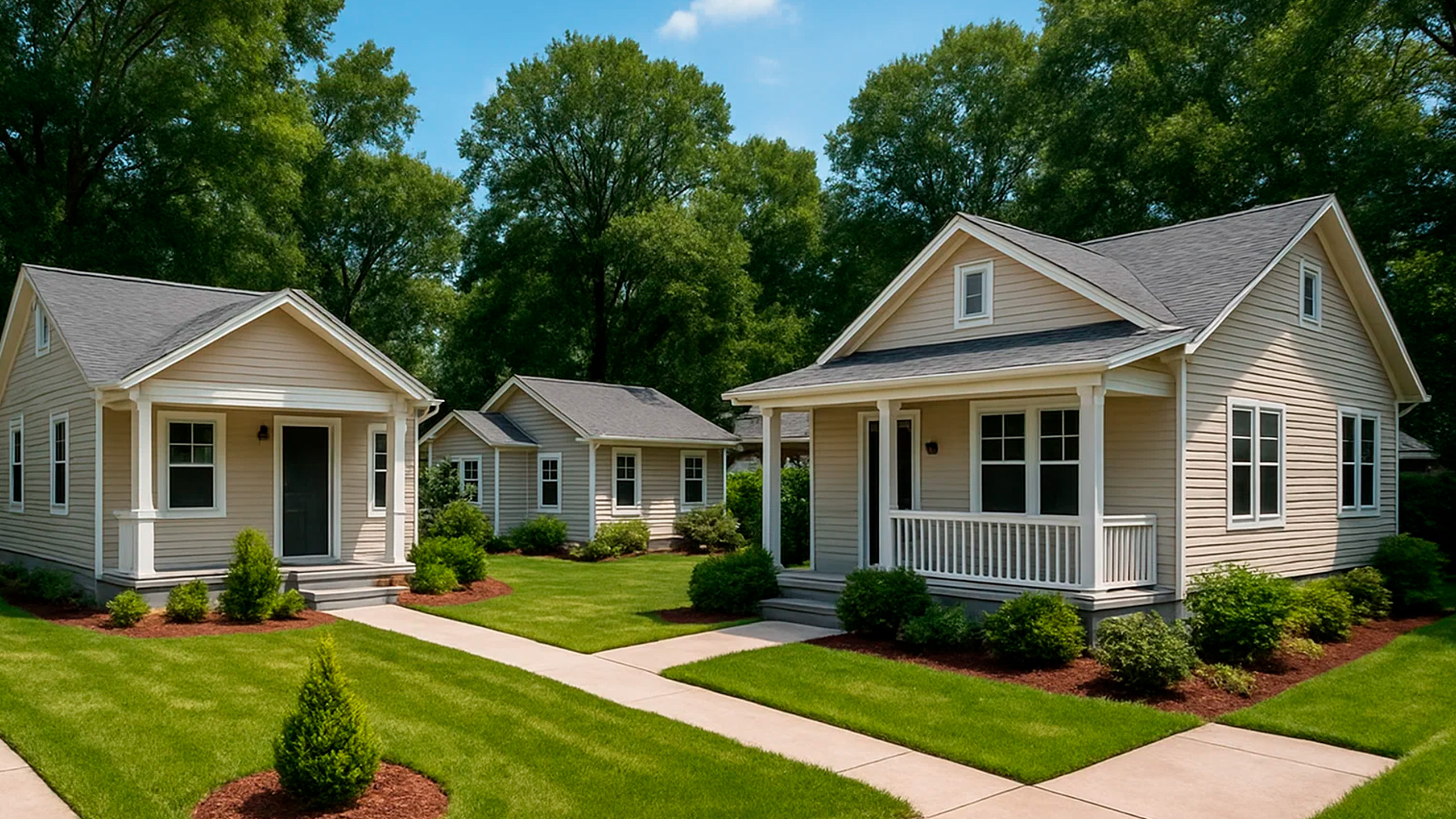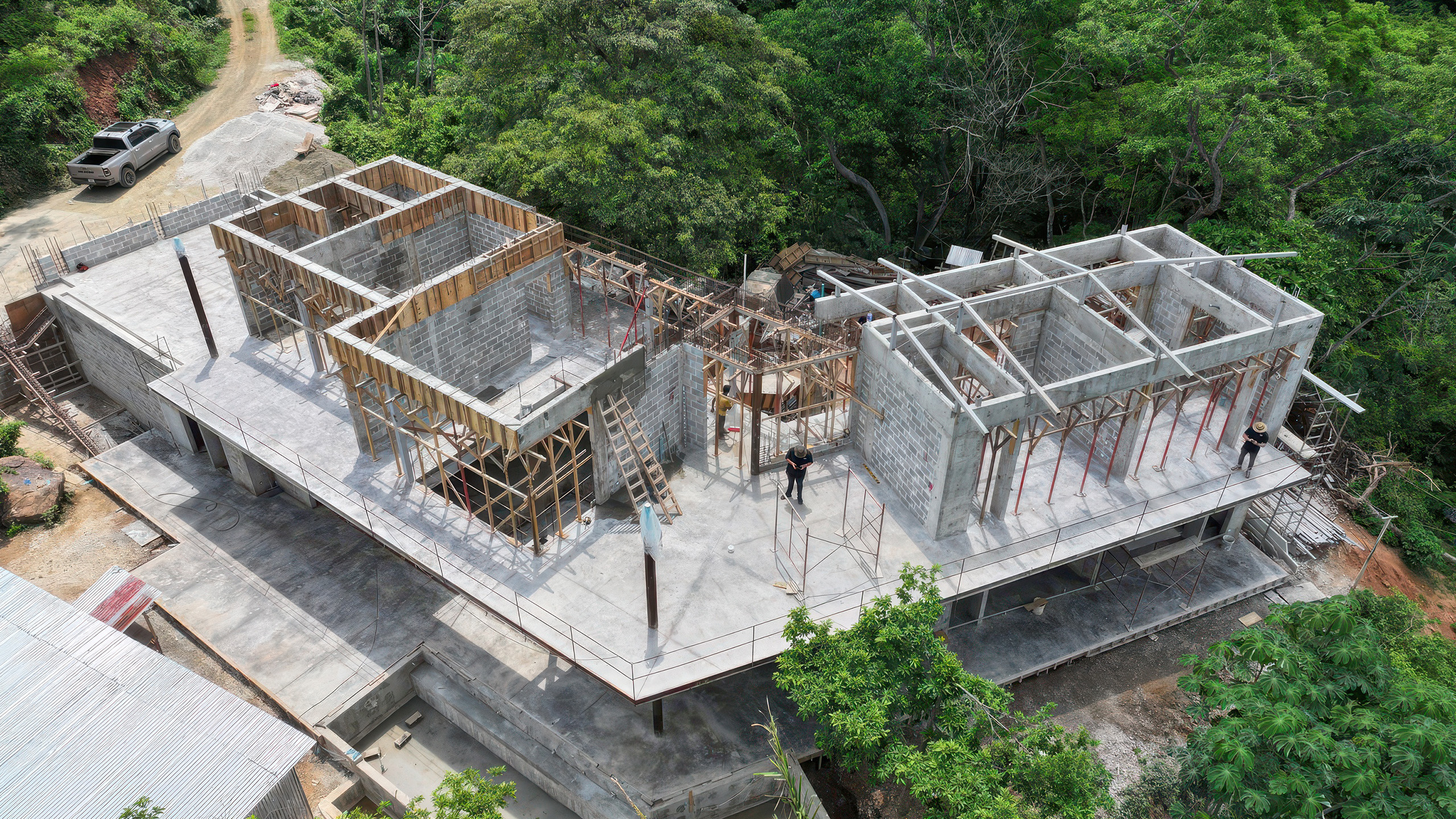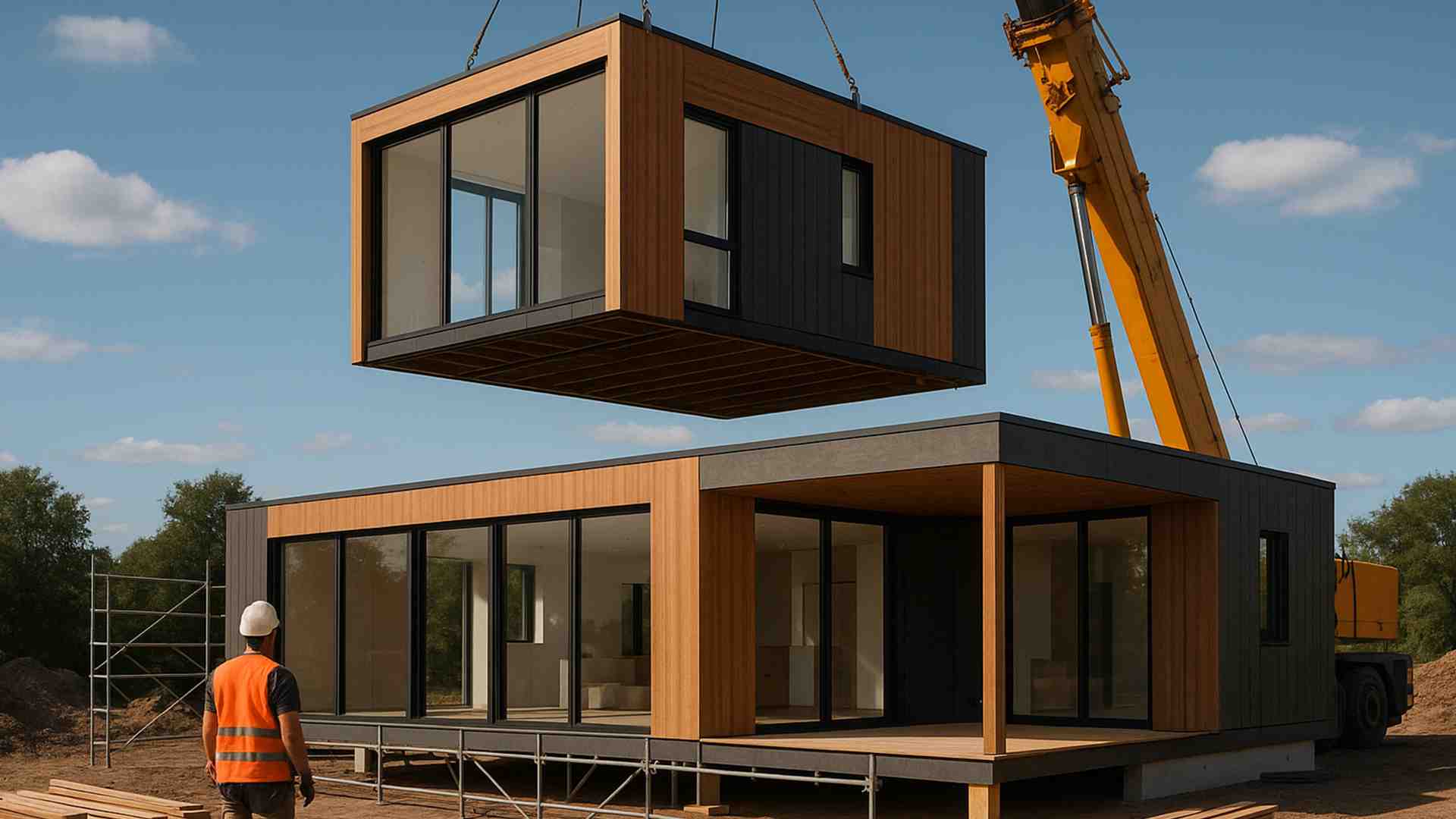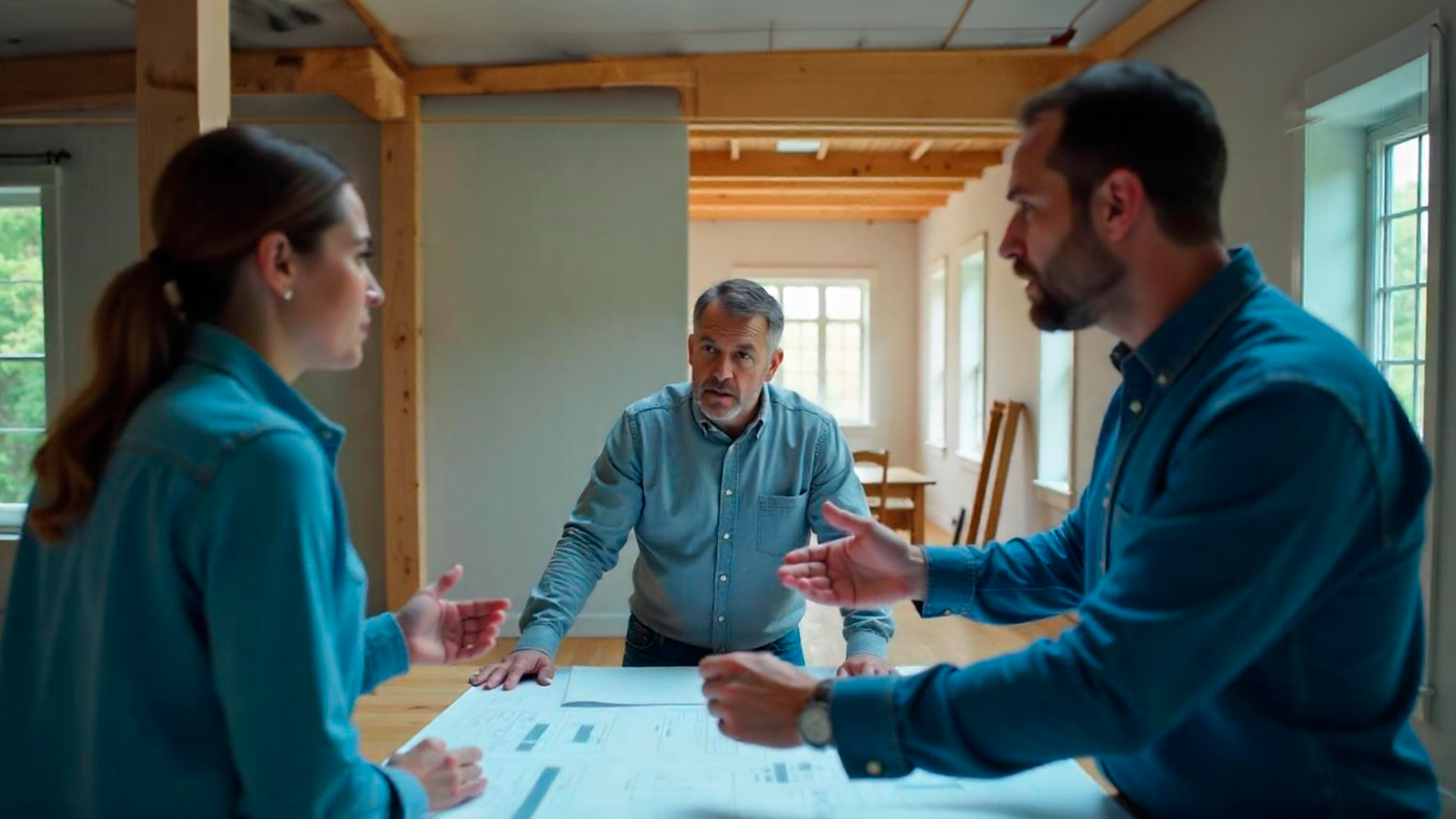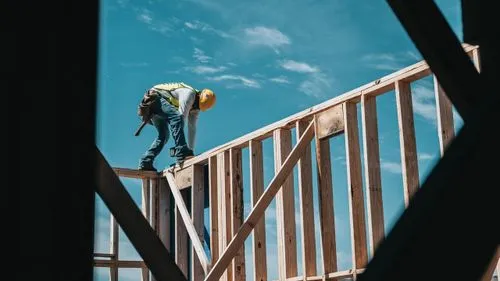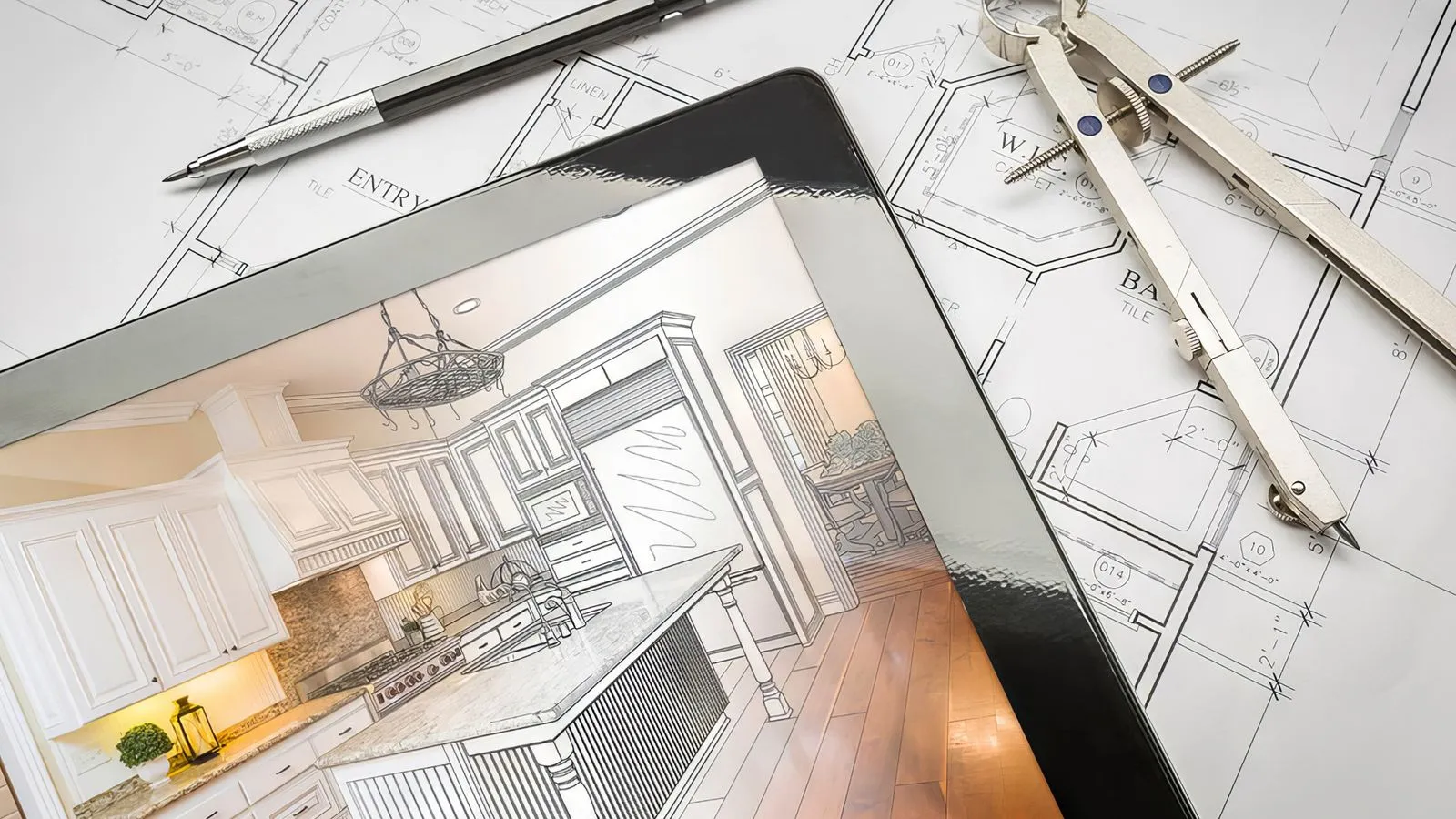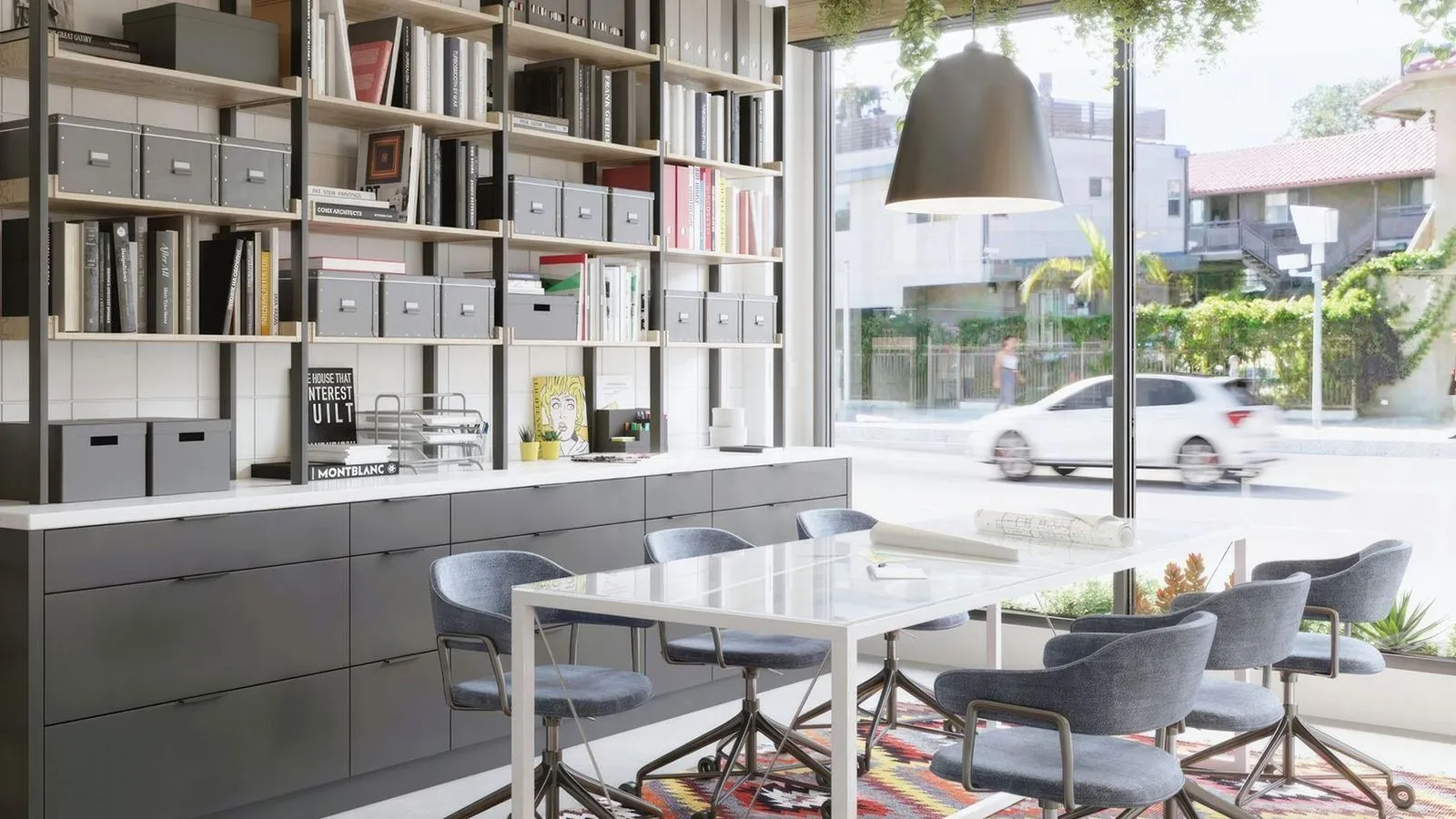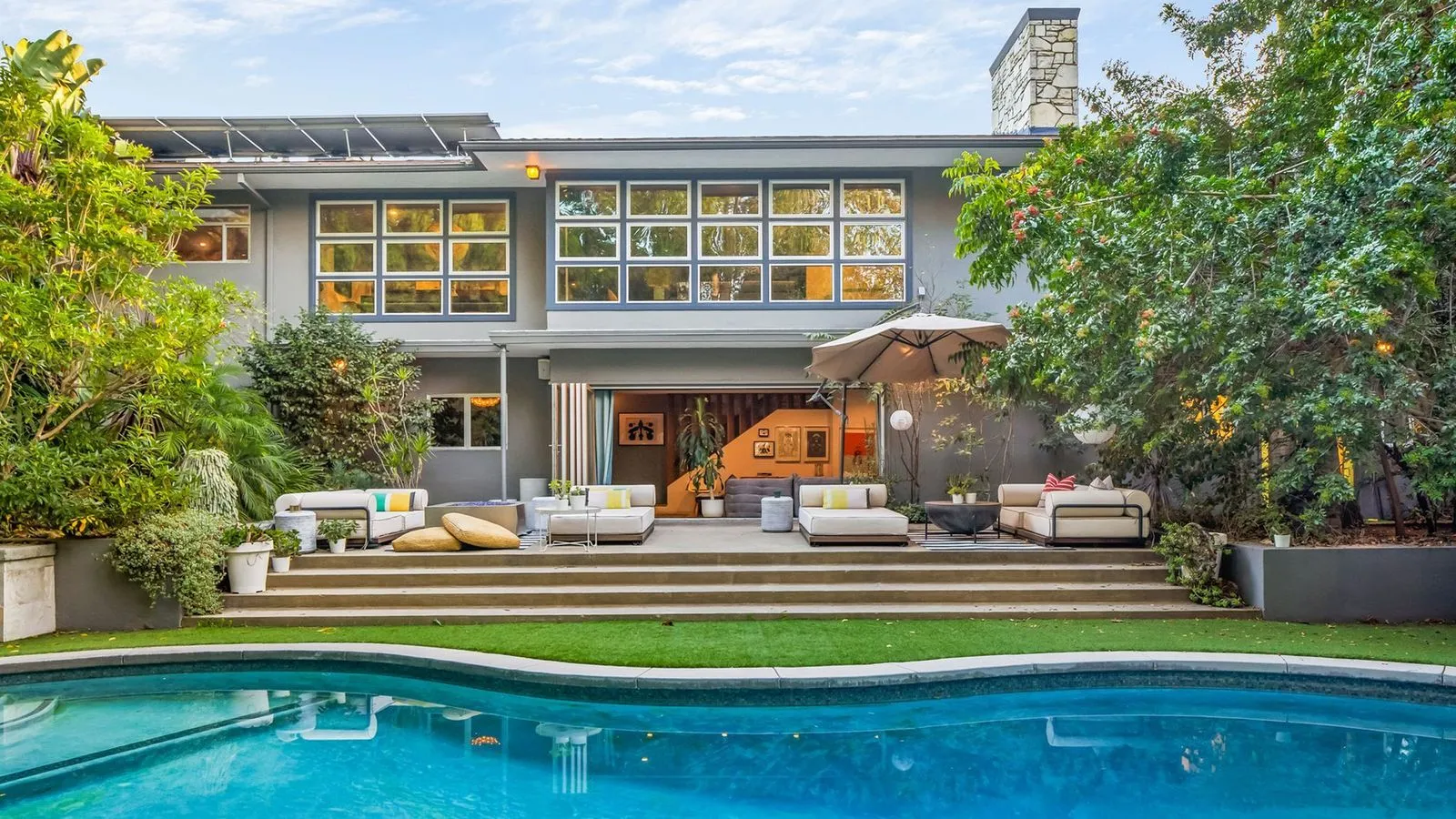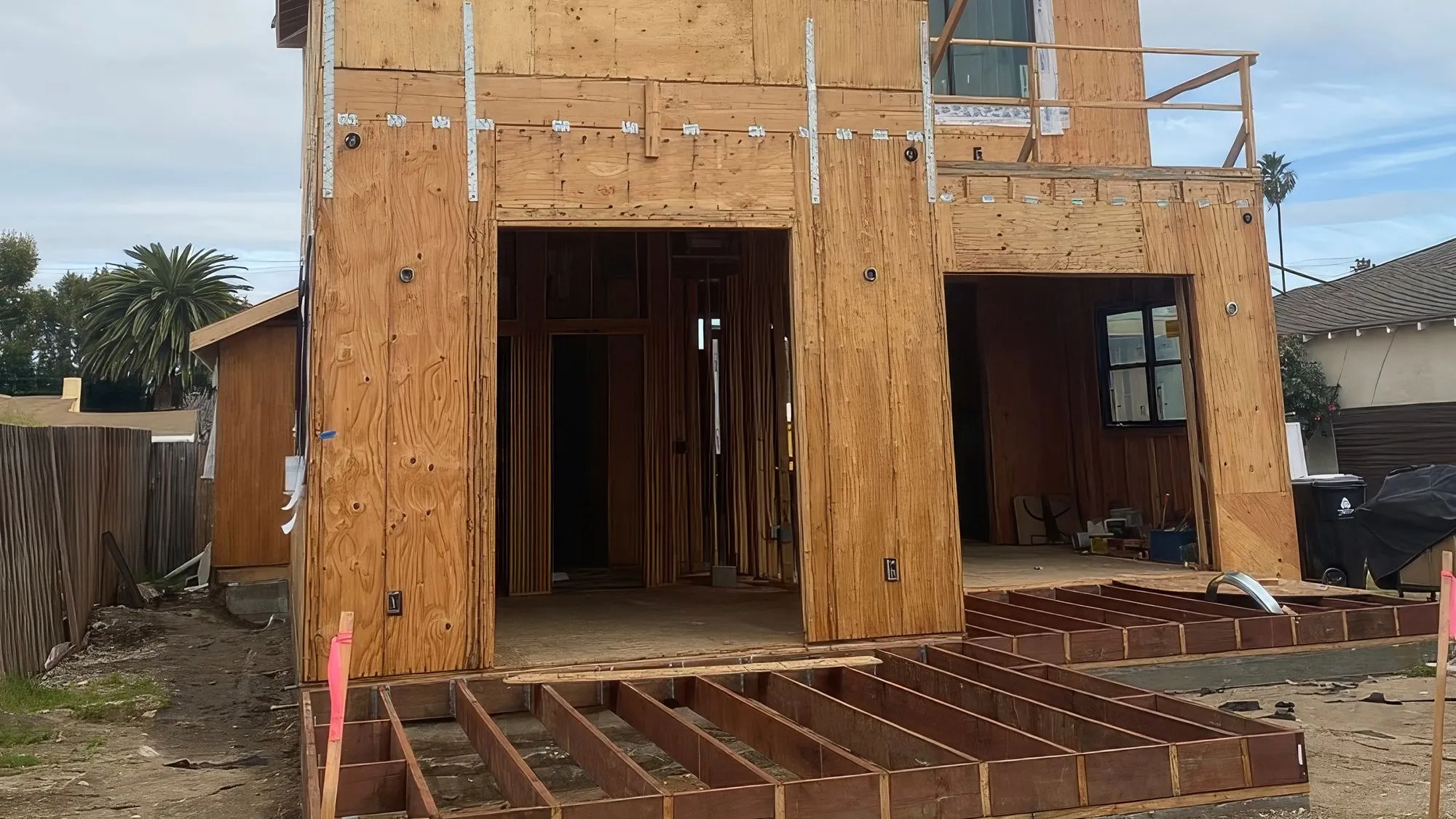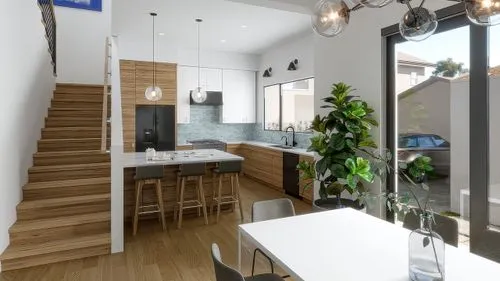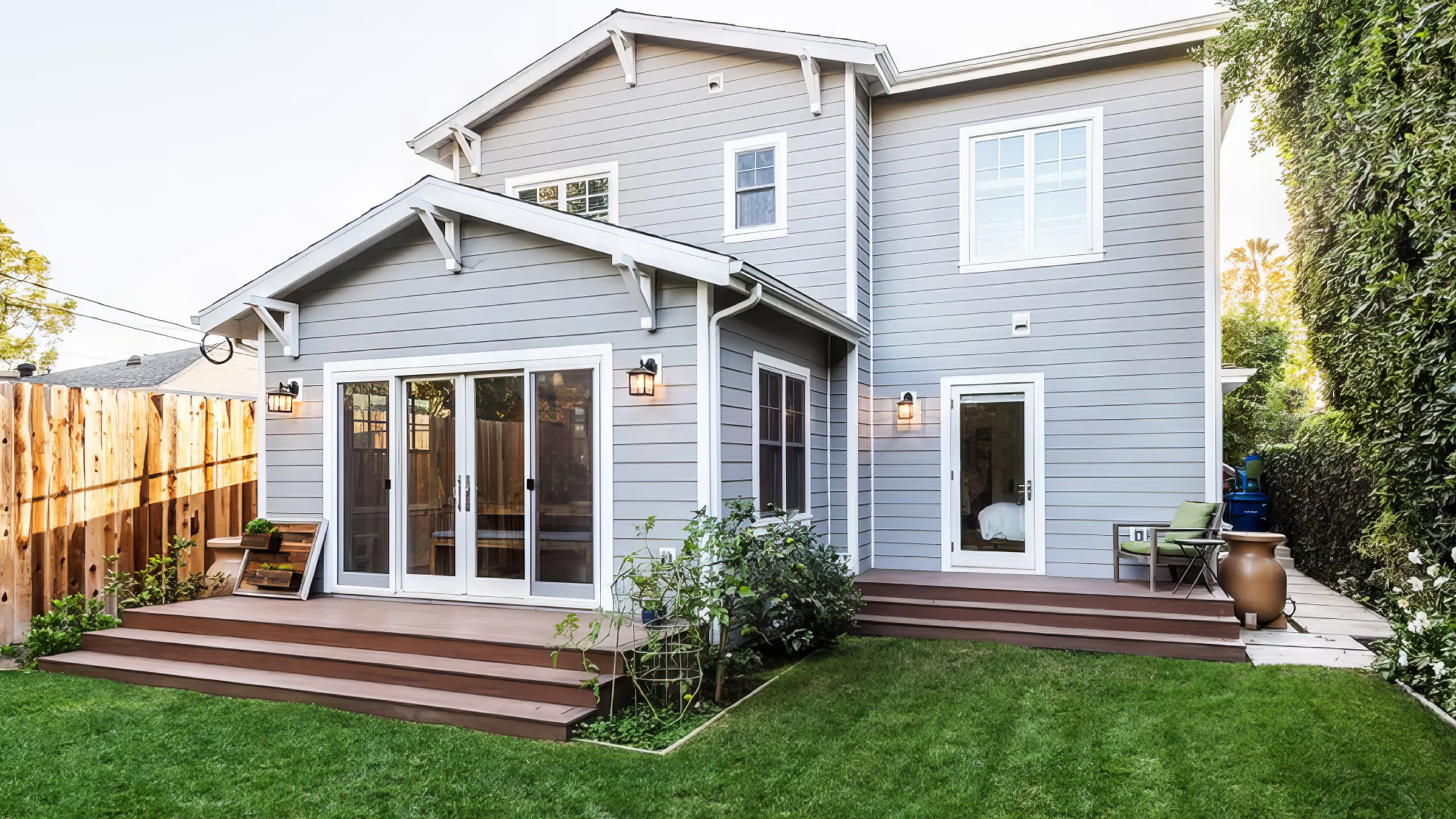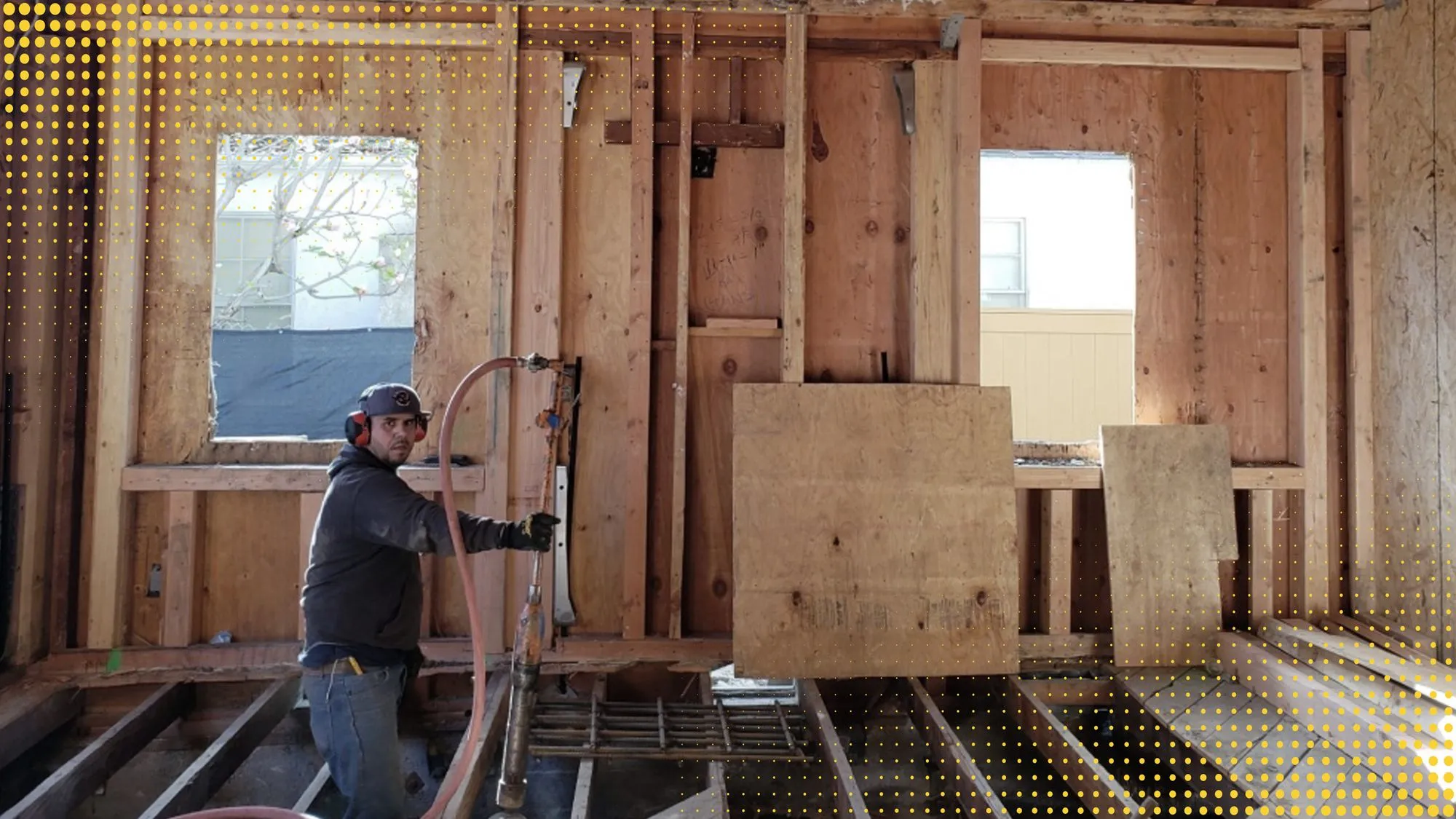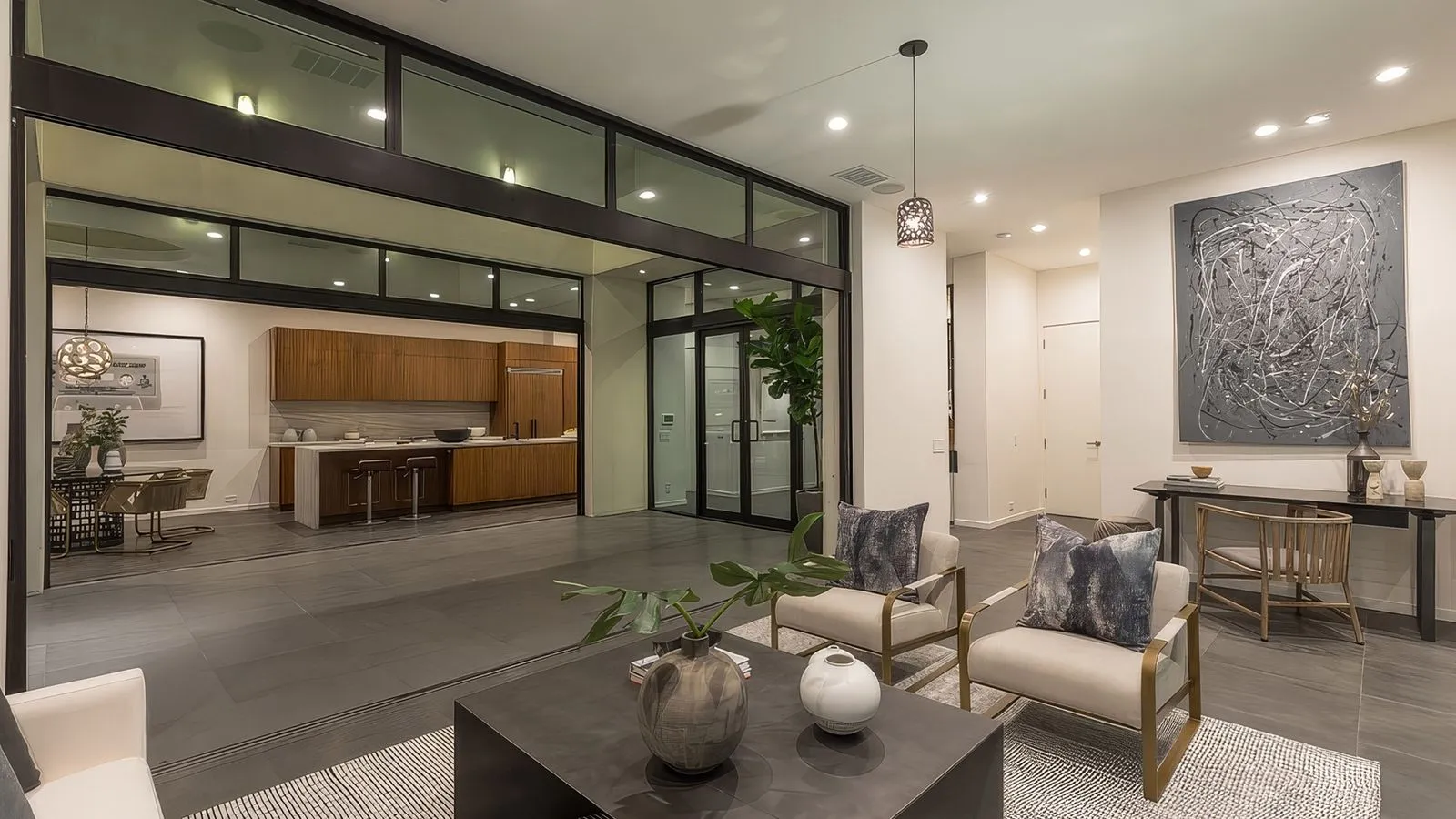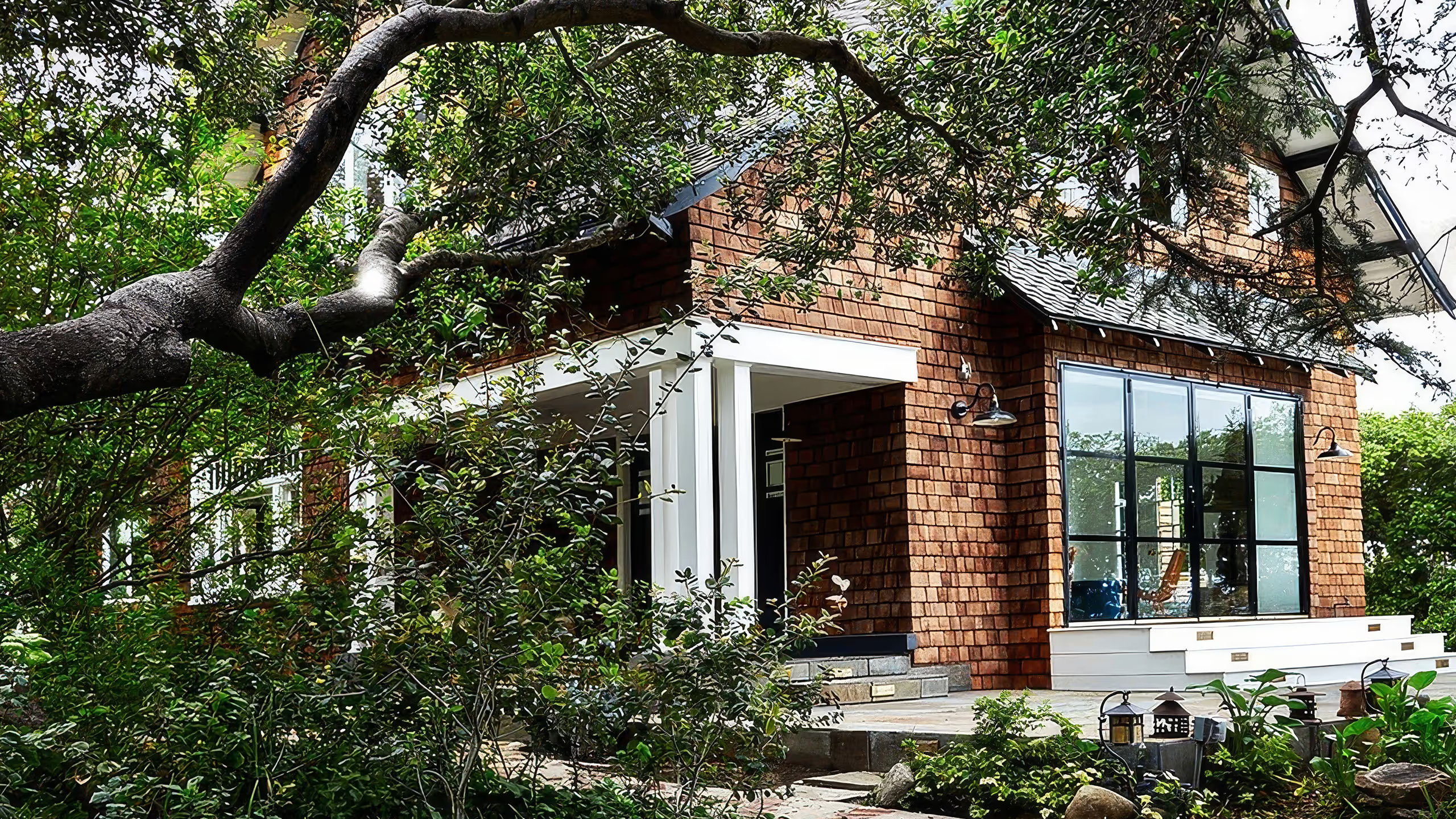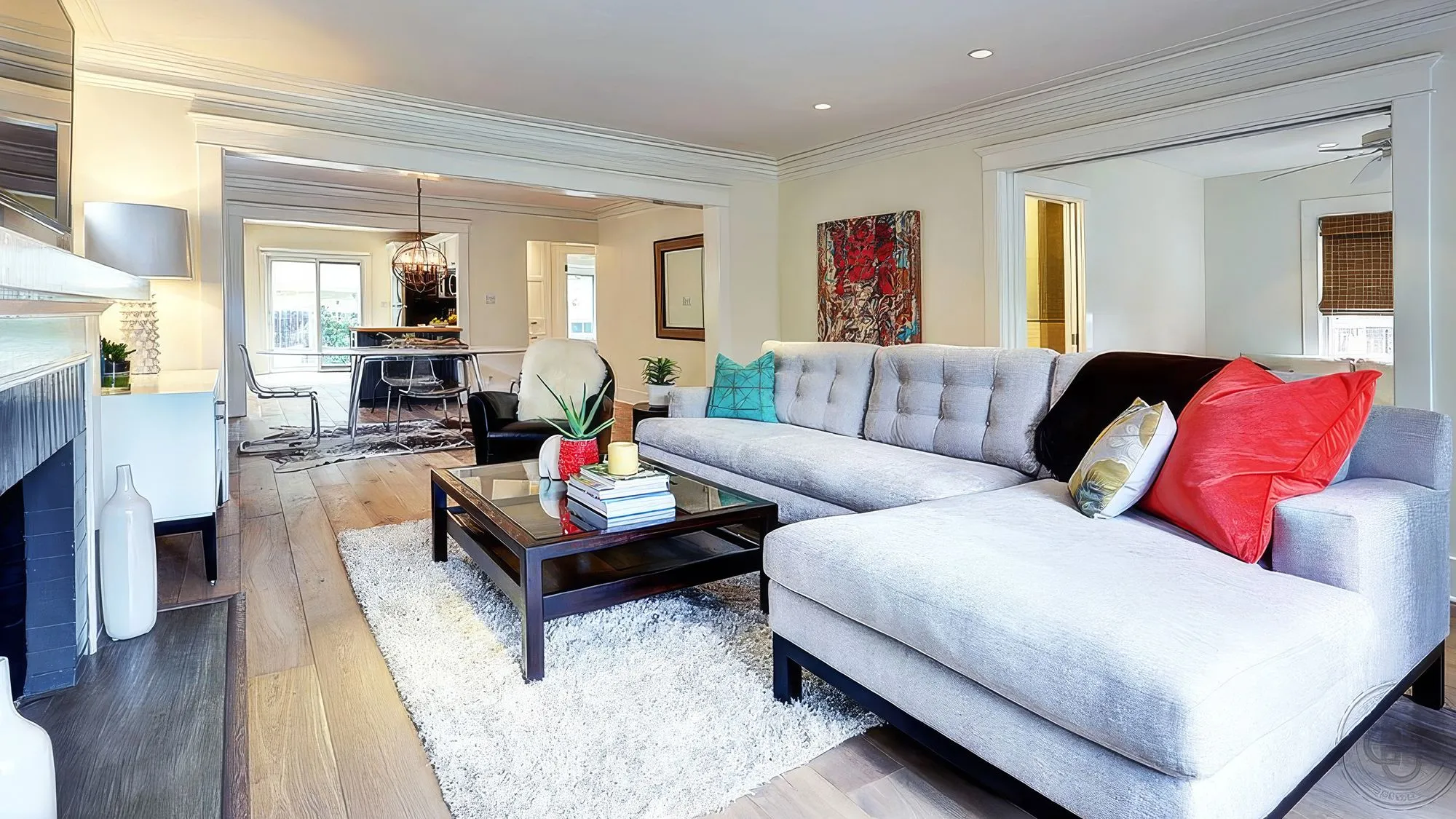
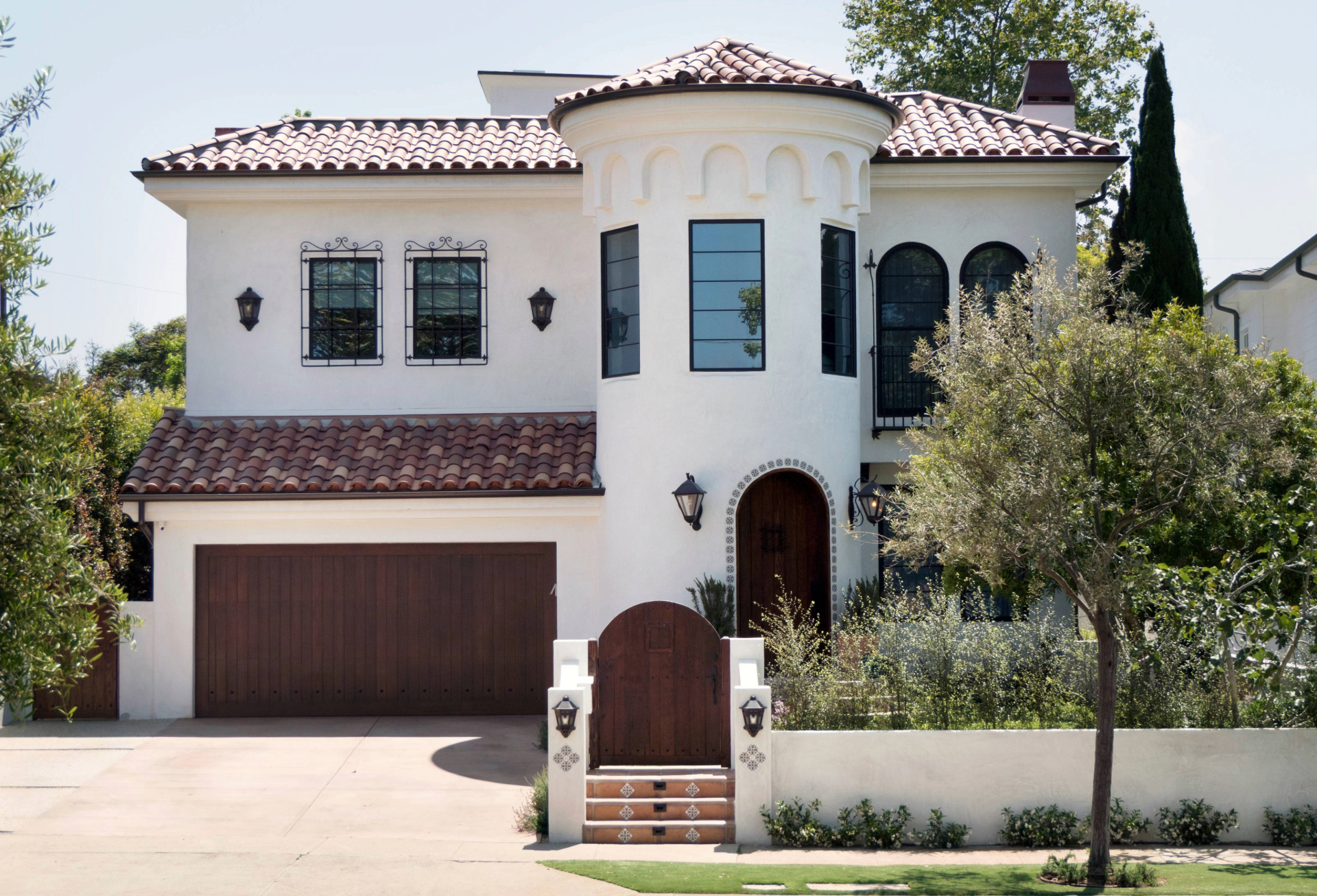
Your project begins with a vision—a clear idea of how a space will look, feel, and function. The biggest challenge is ensuring that vision survives the journey from paper to physical structure. When an architect hands off plans to a separate contractor, crucial details can get lost in translation. The builder may not fully grasp the intent behind a design choice, leading to compromises that dilute the final outcome. The best way to protect your vision is to keep its creators involved throughout the entire process. Using a single firm for architecture and construction ensures the team that designed your project is the same team that builds it, guaranteeing a cohesive result where the final build is a true reflection of your original dream.

Key Takeaways

  • Embrace a Single Source of Responsibility: Hiring one firm for both design and construction means you have one dedicated partner. This eliminates the stress of managing separate contracts and ensures the entire team is accountable for bringing your vision to life.
  • Align Your Vision with Your Budget from Day One: The design-build model integrates cost analysis directly into the creative process. This prevents the common problem of creating beautiful plans that are too expensive to build, ensuring your project is financially feasible from the start.
  • Prioritize a Proven Team and a Clear Process: When choosing a firm, confirm they have an in-house team of licensed architects and contractors. A transparent, step-by-step process and deep local expertise are essential for a smooth project from start to finish.

What Does It Mean to Hire One Firm for Design and Construction?

When you hire one firm for both design and construction, you’re putting your architect and your builder on the same team from day one. Instead of juggling separate contracts and acting as the go-between, you have a single, unified partner responsible for your entire project, from the first sketch to the final walkthrough. This approach, known as design-build, fundamentally changes the dynamic of a project by creating a collaborative environment where designers and builders work together from the very start.

This means the construction experts are in the room during the design phase, offering real-world feedback on costs, materials, and timelines. This early collaboration prevents those all-too-common scenarios where a beautiful design turns out to be way over budget or impractical to build. Because everyone is part of the same company, the focus shifts from individual interests to the project's overall success. Communication is direct and constant, which helps keep the project moving forward smoothly.

Ultimately, this integrated model is designed to give you a more streamlined and predictable experience. With a single point of contact, you always know who to call with a question. The process is more efficient because the design and construction phases can overlap, saving valuable time. This cohesion ensures that the original vision you fell in love with is the one that gets built, without compromises or misinterpretations along the way. It’s a modern approach that delivers a cohesive final product through a clear, straightforward process.

Why Put Your Architect and Contractor on the Same Team?

When you decide to build or remodel, one of the first questions you’ll face is how to structure your team. The traditional route involves hiring an architect to draw up plans and then separately finding a contractor to build them. But there’s a more streamlined, collaborative approach: hiring a single firm that handles both. This is the core of the design-build model, and it’s designed to make your life easier while delivering a better final product.

Putting your architect and contractor on the same team from day one aligns everyone around a single, shared goal: bringing your vision to life, on time and on budget. Instead of separate entities with potentially conflicting priorities, you get one cohesive unit working in sync. This integrated approach fosters clear communication, financial transparency, and creative problem-solving, turning a potentially stressful process into a seamless and even enjoyable experience. It’s about building a partnership that protects your investment and ensures the end result is exactly what you dreamed of.

Enjoy Clear Communication with One Point of Contact

One of the biggest headaches in a traditional construction project is playing telephone between your architect and your contractor. When questions or issues arise—and they always do—you can find yourself stuck in the middle, relaying messages and trying to translate technical details. With a design-build firm, that entire communication bottleneck disappears. You have a single point of contact who manages the entire project and has a complete overview of both the design intent and the construction realities.

This means your questions get answered faster and more accurately. The left hand always knows what the right hand is doing because they’re part of the same body. Our in-house team of architects, designers, and contractors collaborates daily, solving problems together before they ever reach your plate. This constant dialogue ensures a smoother process for you and a more cohesive project from start to finish.

Keep Your Project on Budget with Transparent Pricing

We’ve all heard the horror stories: you get a beautiful set of architectural plans, only to discover during the bidding process that building them will cost tens or even hundreds of thousands more than you budgeted for. This happens when design and construction exist in separate silos. An architect might design something stunning without a real-time understanding of the material and labor costs involved.

In a design-build process, budget conversations happen from the very beginning. Because our designers and builders work together, we can price out concepts as we create them, ensuring the design aligns with your budget every step of the way. This approach allows us to find creative, cost-effective alternatives that deliver the look you want without compromising on quality. It’s part of our clear 4-step process, which provides transparent, all-in budgeting from the start.

Finish Faster with an Integrated Process

In a traditional project, the timeline is linear and rigid: first, you complete the design phase, then you go out to bid, and only then can construction begin. Each handoff creates an opportunity for delay. The design-build model turns this linear path into a dynamic and overlapping one. Because the entire team is in place from the start, we can move forward much more efficiently.

For example, we can begin site prep and order long-lead-time materials while the final interior details are still being finalized. There’s no time lost in a lengthy bidding process. When challenges pop up on-site, our architects and contractors are already on the same team, ready to collaborate on a solution instantly. This integrated workflow helps avoid problems, saves money, and significantly speeds up project delivery, getting you into your new space sooner.

Ensure Your Vision Comes to Life, Cohesively

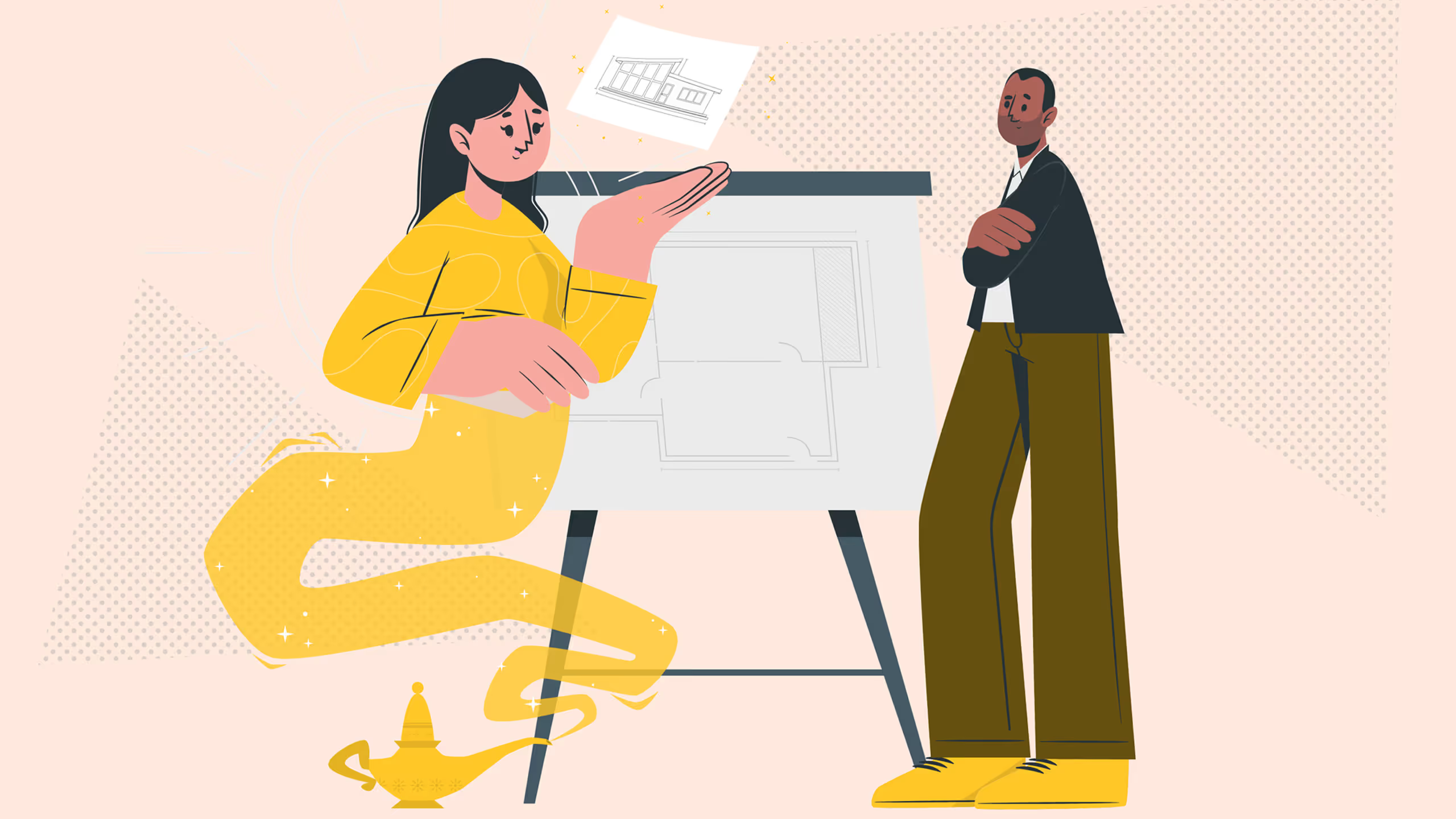
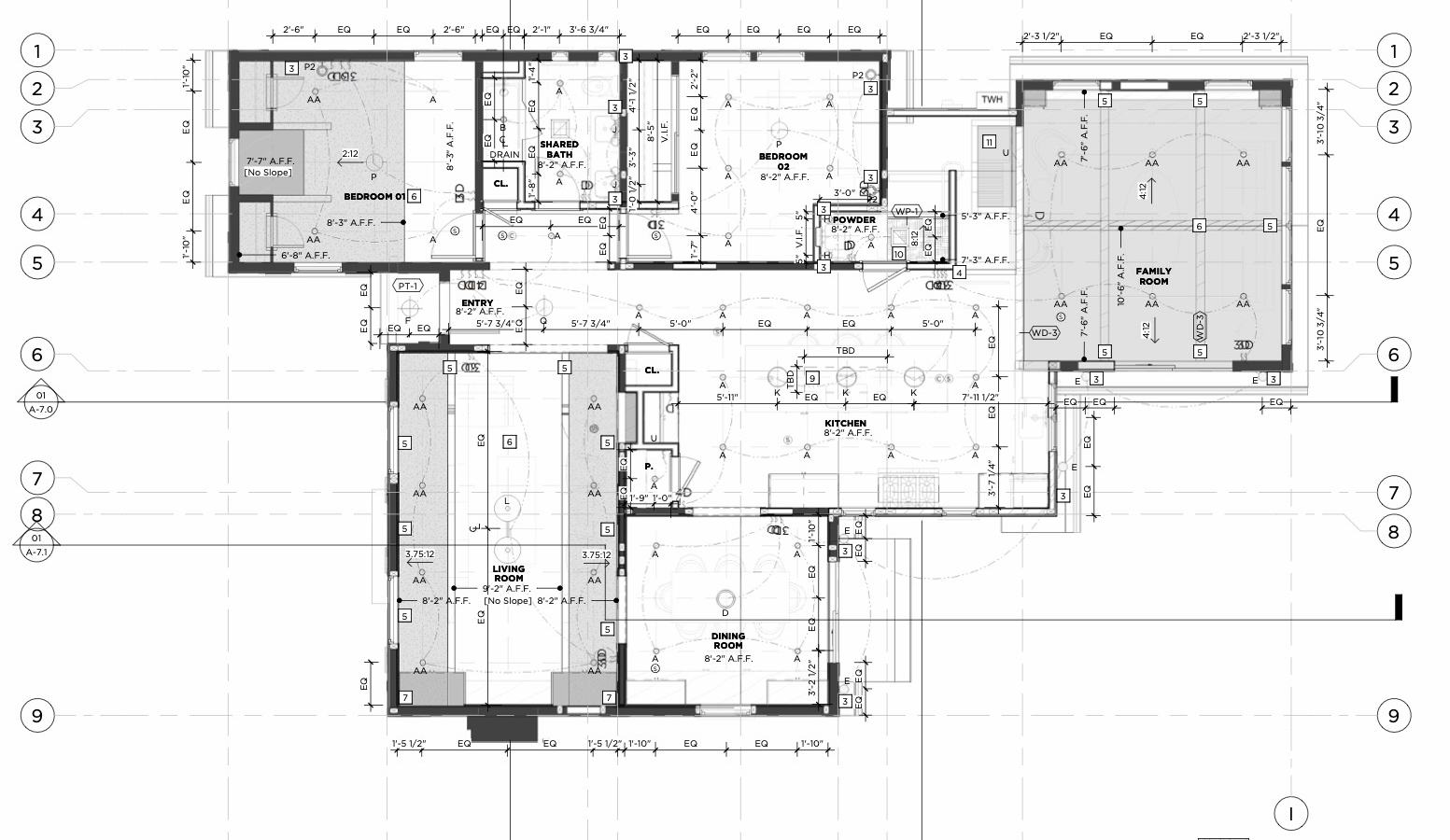
Your project starts with a vision. The challenge is keeping that vision intact as it moves from a sketch on paper to a physical structure. When the architect hands off plans to a separate contractor, details can get lost in translation, and the original intent can be diluted. The contractor might not fully grasp the nuance behind a specific design choice, leading to compromises that affect the final outcome.

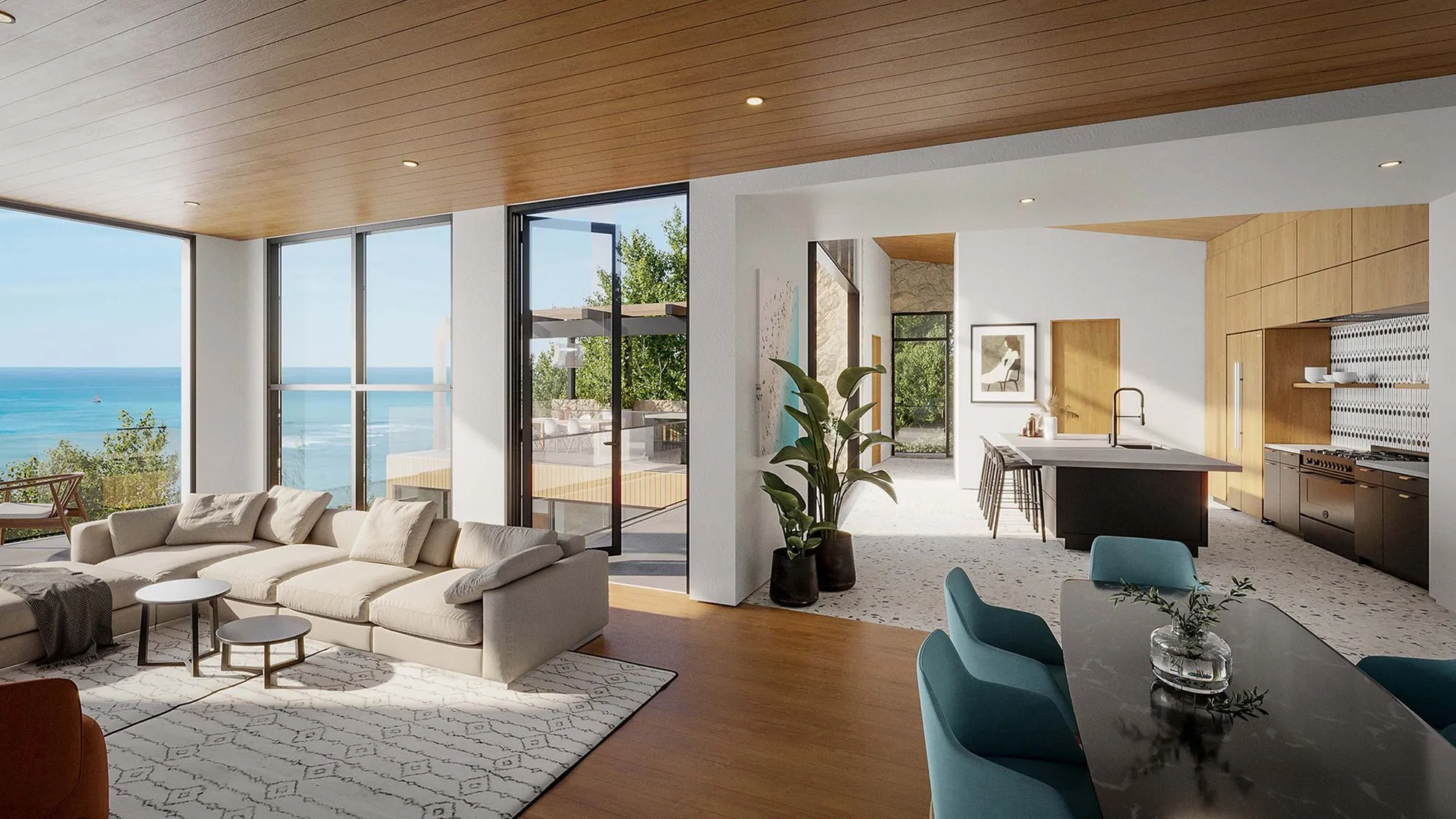
With a design-build team, the creators of the vision are also the ones executing it. Our architects and designers remain deeply involved throughout the construction phase, ensuring every detail is built as intended. This collaboration between disciplines means every aspect of the project is meticulously addressed, from the foundation to the finishes. The result is a beautifully cohesive space, where the final build is a true reflection of the initial dream, as you can see in our project portfolio.

Design-Build vs. The Traditional Method: What's the Difference?

Understanding how your project gets from an idea to a finished building is key to a successful outcome. The structure of your team makes all the difference, and there are two main paths you can take: the traditional route of hiring separate firms or the integrated design-build approach.

The Old Way: Juggling Separate Designers and Contractors

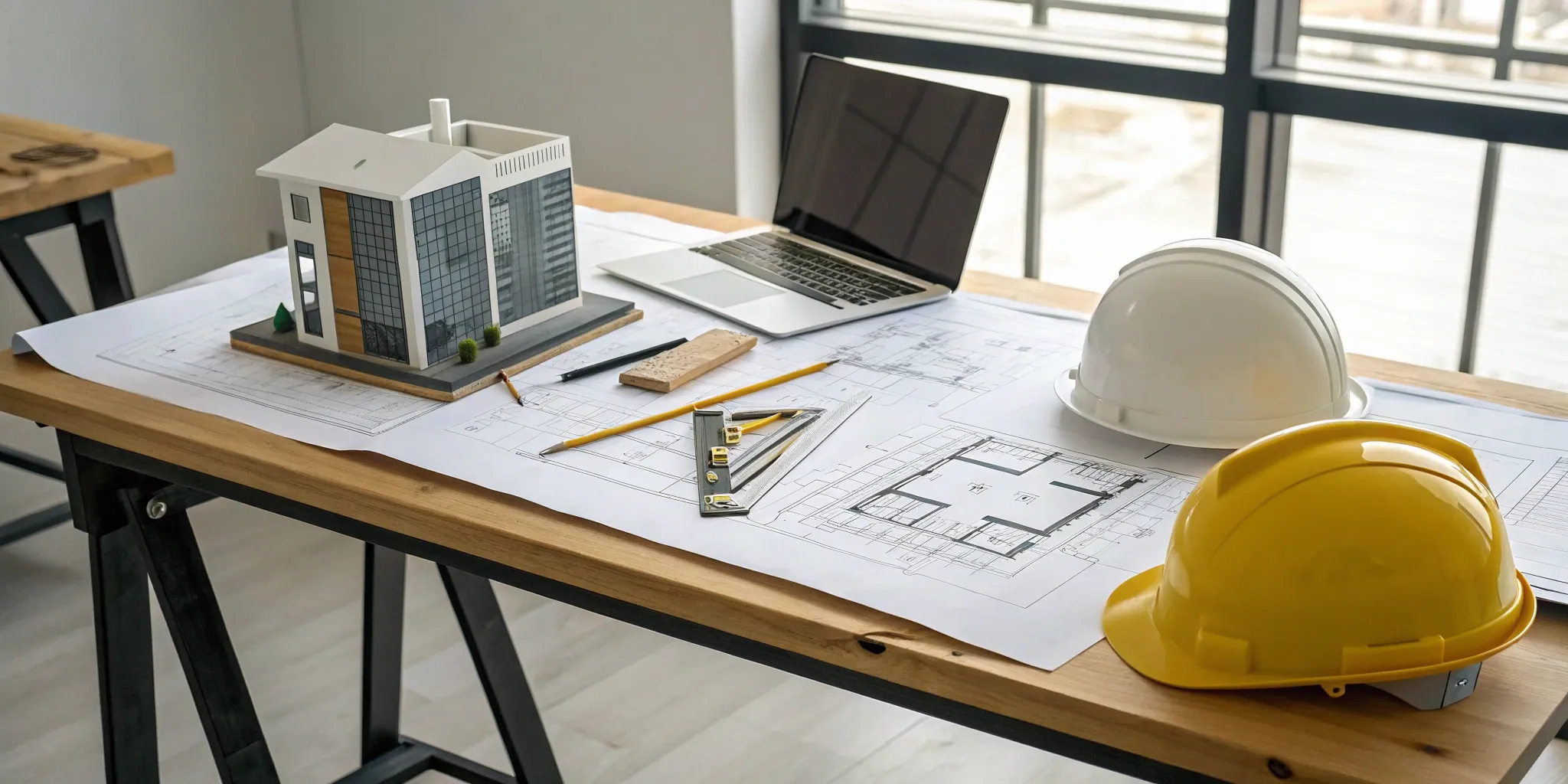
Traditionally, building a project has been a two-step process. First, you hire an architect to draw up the plans. Their job is to focus on the vision—how the space will look, feel, and function. Once you have a complete set of blueprints, you then take those plans to several general contractors to get bids. You select a builder, and they get to work.

The challenge with this model is that you’re managing two separate contracts and two separate teams that may have never worked together. The architect’s design might not align with your budget once it’s priced by a contractor, leading to costly redesigns. When problems pop up on-site, it can lead to finger-pointing between the design and construction teams, with you caught in the middle.

The Modern Way: Your Designer and Builder on One Team

The design-build model simplifies everything by putting your entire team under one roof. From the very beginning, you work with a single firm that includes both licensed architects and general contractors. This means your design-build team collaborates from the initial sketch, ensuring every design choice is grounded in real-world construction costs and methods.

Instead of being a middleman between your designer and builder, you have one dedicated point of contact. This single source of responsibility streamlines communication and creates a true partnership. The focus shifts from individual roles to a shared goal: bringing your vision to life efficiently and thoughtfully, with everyone on the same page from start to finish.

See How True Collaboration Happens

When your architect and contractor are on the same team, true collaboration can happen. The builder can provide immediate cost feedback during the design phase, so you know exactly what to expect financially. The architect remains involved throughout construction, ensuring the original design integrity is carried through to the last detail. This integrated process helps prevent expensive surprises and keeps the project moving forward.

This teamwork is the foundation of a smoother, faster, and more cost-effective project. Problems are solved collaboratively and creatively, not passed back and forth. By following a clear 4-step process, a design-build firm can overlap design and construction planning, saving you time and ensuring the final result is exactly what you envisioned.

Which Commercial Projects Are a Perfect Fit for Design-Build?

While the design-build model brings efficiencies to almost any project, it truly shines in the commercial sector where timelines are tight, budgets are firm, and complexity is a given. For business owners and property investors in Los Angeles, minimizing risk and maximizing returns are top priorities. The traditional method of hiring separate architects and contractors can create communication gaps and finger-pointing, leading to delays and cost overruns that a commercial venture simply can’t afford.

An integrated design-build team eliminates these issues by putting everyone under one roof with a shared goal. This collaborative approach is especially valuable for certain types of commercial projects that demand a high degree of coordination, specialized knowledge, and speed to market. From bustling retail spaces to highly regulated medical facilities, having a single point of responsibility ensures your vision is executed seamlessly, on time, and on budget. If you’re planning one of the projects below, a design-build firm isn’t just a good option—it’s a strategic advantage.

Office Buildings and Corporate Spaces

Creating a corporate office is about more than putting up walls; it’s about designing a space that reflects your brand, supports your team’s workflow, and can adapt to future needs. Design-build is ideal for these projects because it ensures the architect’s vision for a functional, inspiring workplace is perfectly understood and executed by the construction team. This alignment is crucial when integrating complex systems like IT infrastructure, security, and specialized HVAC. With one team managing the entire process, you can minimize business disruption and get your team into their new, productive environment faster.

Retail and Restaurant Developments

In the fast-paced world of retail and restaurants, every day your doors are closed is a day of lost revenue. Speed to market is everything. The design-build model is perfectly suited for these time-sensitive projects because it allows for overlapping phases—site prep can begin while final design details are still being polished. This integrated process also allows for incredible flexibility. When you need to pivot on a layout to accommodate a new kitchen appliance or a custom retail display, an in-house team can make changes quickly without the delays that come from coordinating two separate firms. This agility makes all the difference in getting your restaurant construction project open for business sooner.

Healthcare and Hospitality Facilities

Projects like medical clinics, boutique hotels, and wellness centers come with a thick binder of codes, regulations, and specific functional requirements. The complexity involved in healthcare facilities and hospitality projects makes them prime candidates for the design-build model. A single, experienced firm brings architects and builders who are both fluent in ADA compliance, health codes, and industry-specific standards to the table from day one. This shared expertise minimizes the risk of costly errors or failed inspections, ensuring the project is designed and built correctly the first time. It provides peace of mind, knowing your vision will be realized without compromising on safety or compliance.

Mixed-Use and Investment Properties

Mixed-use developments are the ultimate juggling act, often combining retail, office, and residential spaces within a single structure. The success of these projects hinges on creating a cohesive property where each component functions flawlessly. A design-build firm provides the unified leadership needed to balance these diverse requirements, from soundproofing between residential and commercial units to designing shared public spaces. For investors, this streamlined approach offers clear, transparent budgeting and a more predictable timeline, which are essential for protecting your ROI. The integrated approach of a single firm is the most effective way to manage the moving parts and deliver a successful, valuable asset.

How to Choose the Right Design-Build Firm

Selecting a partner for your construction or remodel project is one of the most critical decisions you'll make. The right firm can turn your vision into a reality smoothly and efficiently, while the wrong one can lead to budget overruns, delays, and a lot of stress. So, how do you find a team you can trust with your investment? It comes down to asking the right questions and looking for specific qualities that set the best design-build firms apart.

You’re looking for more than just a contractor or an architect; you need a unified team that can manage every detail from the first sketch to the final walkthrough. This means finding a firm with proven expertise, a transparent process, and a deep understanding of the local landscape. Think of it like hiring a director for a movie—you want someone who not only has a creative vision but also knows how to manage the cast, crew, and budget to bring it all together seamlessly. We’ll walk through the key criteria to help you identify a firm that is truly equipped to handle your project with the care and professionalism it deserves.

Confirm They Have an In-House Team of Licensed Experts

One of the biggest advantages of the design-build model is having a single, cohesive team. But it's crucial to verify that this team is truly in-house and not just a loose network of subcontractors. A firm with its own licensed architects and general contractors working side-by-side eliminates the communication gaps and finger-pointing that often plague traditional projects. As one industry expert notes, having an in-house team for design, permitting, and engineering creates "streamlined communication and cohesive project management." When your architect and builder share an office, they can collaborate daily, solve problems instantly, and ensure everyone is aligned with your goals from the very beginning.

Look for a Comprehensive, In-House Skillset

Beyond just having licensed professionals, look for a firm with a wide range of skills under one roof. Does the team include interior designers, project managers, and permitting specialists? This comprehensive skillset is what makes the design-build process so effective. When experts from different disciplines collaborate, "every aspect of the project is meticulously addressed, leading to comprehensive solutions that meet both aesthetic and functional requirements." This means the builder can weigh in on the cost and feasibility of a design choice early on, and the designer can ensure the construction details align with the overall vision. The result is a more thoughtful, well-executed project with fewer surprises along the way.

Demand a Clear Process for Pricing and Communication

A great design-build firm operates with total transparency. Before you sign anything, you should have a crystal-clear understanding of their process for budgeting, scheduling, and communication. Ask them how they develop cost estimates, handle changes, and keep you informed of progress. A firm that can’t give you a straight answer is a red flag. Having a clear process for pricing and communication "fosters transparency, builds trust, and minimizes the likelihood of misunderstandings or delays." This structured approach ensures you always know where your project stands and gives you confidence that your investment is being managed responsibly.

Verify Their Local Expertise and Permitting Know-How

Every city has its own unique set of building codes, zoning laws, and permitting challenges—and Los Angeles is no exception. Working with a firm that has deep local expertise is a massive advantage. A local team understands the specific requirements of your neighborhood, has established relationships with city officials, and knows how to get plans approved efficiently. As one expert puts it, "Choosing a local firm means you get experts who know local building rules." This insider knowledge is invaluable for keeping your project on track and avoiding costly delays. Whether you're doing a major remodel in Hollywood or a fire rebuild in the Palisades, a team with proven local experience is essential.

How a Single Team Protects Your Timeline and Budget

When you’re investing in a major remodel or new build, the two biggest worries are almost always the same: Will it finish on time, and will it stay on budget? The traditional approach of hiring separate architects and contractors often creates friction that puts both at risk. When your experts aren’t on the same team, finger-pointing and miscommunication can lead to delays and unexpected costs. This is where the design-build model truly shines.

By placing your architect, interior designer, and general contractor under one roof, you create a system of shared accountability. The entire team is responsible for the project's success from the initial sketch to the final walkthrough. This integrated structure isn’t just about convenience; it’s a strategic advantage. It transforms the process from a relay race, where the baton can be dropped at each handoff, into a collaborative workshop where everyone is building toward the same goal. This unity is your best defense against the budget creep and schedule slips that can derail a project, ensuring a smoother, more predictable experience.

Minimize Costly Revisions and Last-Minute Changes

Nothing stalls a project faster than a builder discovering a design flaw halfway through construction. In a traditional setup, this often leads to a frustrating back-and-forth between the job site and the architect’s office, racking up billable hours and change-order fees. With a design-build firm, your construction experts are in the room during the design phase. They can flag potential construction challenges or budget issues before a single line is finalized on the blueprints. This constant dialogue fosters transparency and trust, minimizing the misunderstandings that lead to expensive, last-minute changes. It’s a proactive approach that keeps your project moving forward smoothly, following a clear 4-step process from start to finish.

Speed Things Up with Overlapping Planning and Prep

The traditional construction process is strictly linear: design is completed, then you find a builder, then construction begins. Each step has to wait for the last one to finish. A design-build team works in parallel. Because everyone is part of the same company, the construction team can begin site analysis, order long-lead materials, and start lining up subcontractors while the architectural plans are still being finalized. This integration of expertise under one roof allows for significant overlap in the planning and preparation phases. This efficiency can shave weeks or even months off your total project timeline, getting you into your new space that much faster without cutting any corners on quality.

Get the Most Value from Every Decision

When your design and construction teams work together, you get the benefit of their combined expertise on every single choice. An architect might propose a specific material for its aesthetic, while the in-house contractor can immediately provide feedback on its cost, durability, and installation time. This collaborative problem-solving ensures that every aspect of the project is meticulously addressed, leading to comprehensive solutions that meet both your design vision and your budget. You can see the results of this holistic approach in a firm's project portfolio. This synergy means you’re not forced to compromise between great design and practical construction; you get the best of both worlds, maximizing the value of your investment.

Is a Design-Build Firm Right for Your Project?

Deciding on the right approach for your project can feel overwhelming, but it often comes down to what you value most. If you’re looking for a process that prioritizes clear communication, budget transparency, and a cohesive final product without the stress of managing multiple teams, then a design-build firm is likely the perfect fit. This model is especially effective for projects where the design vision and the practicalities of construction need to be perfectly in sync from the very beginning.

The traditional method of hiring a separate architect and contractor can sometimes feel like a game of telephone, where you’re stuck in the middle translating messages and managing conflicts. A design-build firm eliminates that dynamic entirely. Instead, you get a single, unified team responsible for everything from the first sketch to the final walkthrough. This integrated approach is ideal for homeowners and commercial developers who want a partner to guide them through every step, ensuring the project stays on track, on budget, and true to the original vision. It’s about making the entire experience smoother and more collaborative, turning a potentially stressful process into a creative and rewarding one.

You Want a Single, Accountable Team

If the thought of mediating between your architect and your builder sounds exhausting, the design-build model is for you. When one firm handles both design and construction, you have a single point of contact. There’s no finger-pointing or miscommunication between separate entities because everyone is on the same team, working toward the same goal. This streamlined workflow means questions get answered faster, problems are solved collaboratively, and the entire team is accountable for the project's success. It simplifies the process for you, allowing you to focus on the exciting decisions rather than getting bogged down in logistics.

Your Budget and Timeline are Top Priorities

With a design-build firm, your budget is part of the conversation from day one. Because the builders are involved during the design phase, they can provide real-time cost feedback, ensuring the architectural plans are not only beautiful but also financially feasible. This prevents the common and heartbreaking scenario of falling in love with a design you can't afford to build. This integrated planning also speeds up the project timeline. Our Clear 4-Step Process is built to overlap design and pre-construction phases, which means we can often get started on site preparation and material orders while the final details are still being polished, saving you valuable time.

You're Tackling a Complex Remodel or New Build

For large-scale projects like a major remodel, a custom new home, or a commercial development, the design-build approach is invaluable. These projects have countless moving parts, and having architects and contractors working side-by-side allows for creative problem-solving on the fly. The builders understand the design intent, and the architects understand the construction realities. This synergy ensures that the final result is not only well-built but also thoughtfully designed, with a cohesive feel that reflects a singular, unified vision. You can see how this collaboration comes to life in our portfolio of completed projects.

You Value Local Expertise and a Smooth Permitting Process

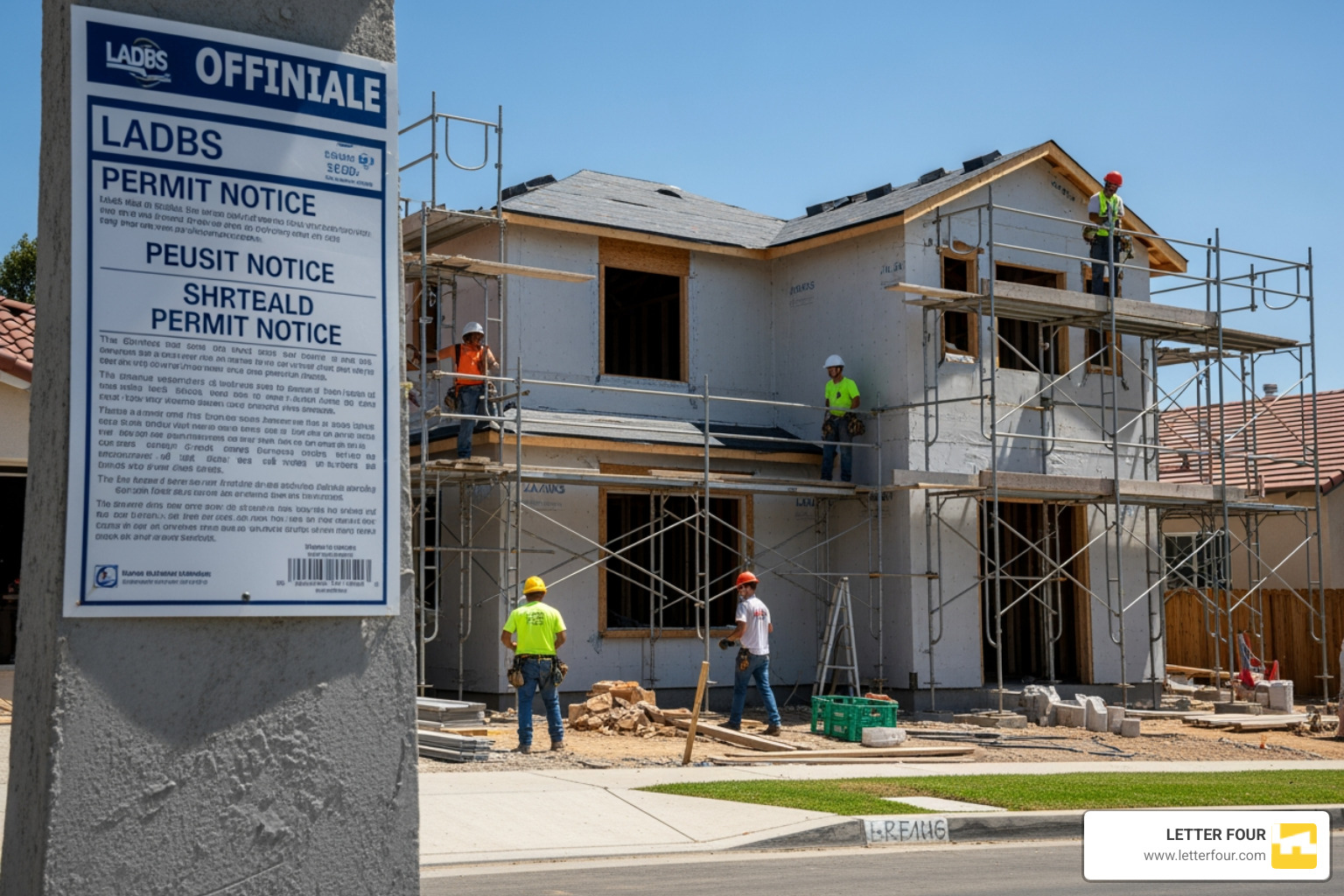
Building in Los Angeles comes with its own unique set of challenges, from navigating complex building codes to securing permits from various city departments. A local design-build firm has deep expertise in the specific regulations and requirements of the area. We understand the nuances of LA’s permitting process and have established relationships with local officials and inspectors, which helps keep your project moving forward without unnecessary delays. This local knowledge is a key part of the comprehensive services we offer, ensuring your project not only meets but exceeds all local standards.

Related Articles

Frequently Asked Questions

Does hiring one firm for everything actually save money? While the initial bid might look similar to a traditional approach, the real savings with a design-build firm come from avoiding costly surprises down the road. Because our construction experts provide cost feedback throughout the design process, we ensure the plans we create are realistic for your budget from the start. This prevents the all-too-common scenario where you pay for a beautiful set of architectural drawings only to find out they will cost far more than you planned to build, forcing you into expensive redesigns. It’s about creating cost certainty from day one.

Will I have less control over the design if the builder is involved so early? Not at all—in fact, you gain more informed control. Think of the builder not as a limitation, but as a practical advisor for your creative vision. Their early input is focused on making sure the design you love is feasible, durable, and aligned with your budget. You are always the final decision-maker. This collaborative approach simply means your decisions are grounded in real-world information, which protects your vision from being compromised by budget or construction issues later in the process.

What happens if we need to make a change once construction has started? Changes are a natural part of any complex project. With an integrated team, the process for handling them is much more efficient. Instead of you having to coordinate between a separate architect and contractor, our in-house team can immediately collaborate to find a solution. We can quickly assess the design implications, price out the new scope of work, and present you with a clear change order to approve. This keeps communication direct and minimizes the delays that can happen when trying to get two different companies on the same page.

I already have architectural plans from another firm. Can I still hire you for the construction? While the greatest benefits of our process come from having our design and construction teams working together from the very beginning, we do offer licensed general contracting services. In this situation, our first step would be a thorough review of your existing plans to ensure they are complete and buildable within your budget. Our goal is always to set a project up for success, and that starts with a realistic and well-vetted plan before we break ground.

Is the design-build model only for huge commercial projects, or does it work for home remodels too? The design-build model is valuable for any project where you want a smooth process and a cohesive result, regardless of size. The core benefits—a single point of contact, budget transparency, and streamlined communication—are just as important for a major home remodel as they are for a new commercial building. A complex kitchen renovation or a second-story addition has plenty of moving parts, and our integrated approach ensures they all come together beautifully.