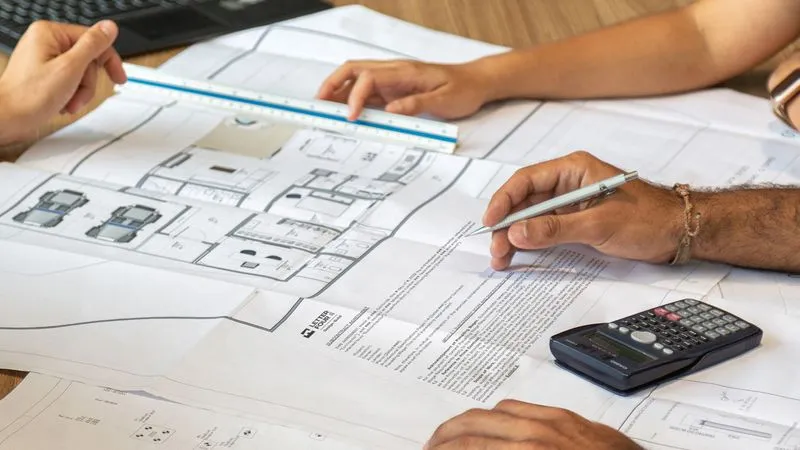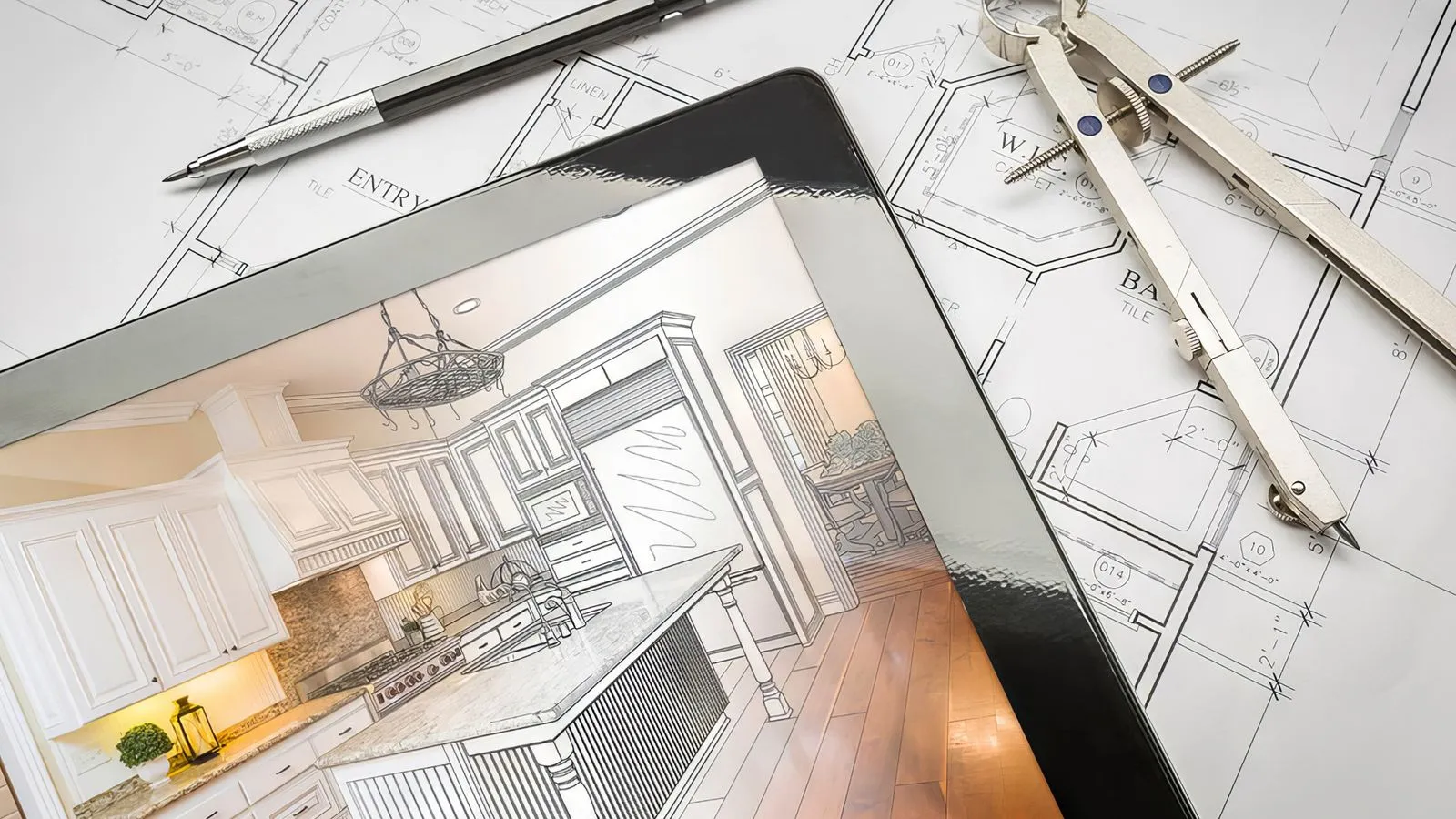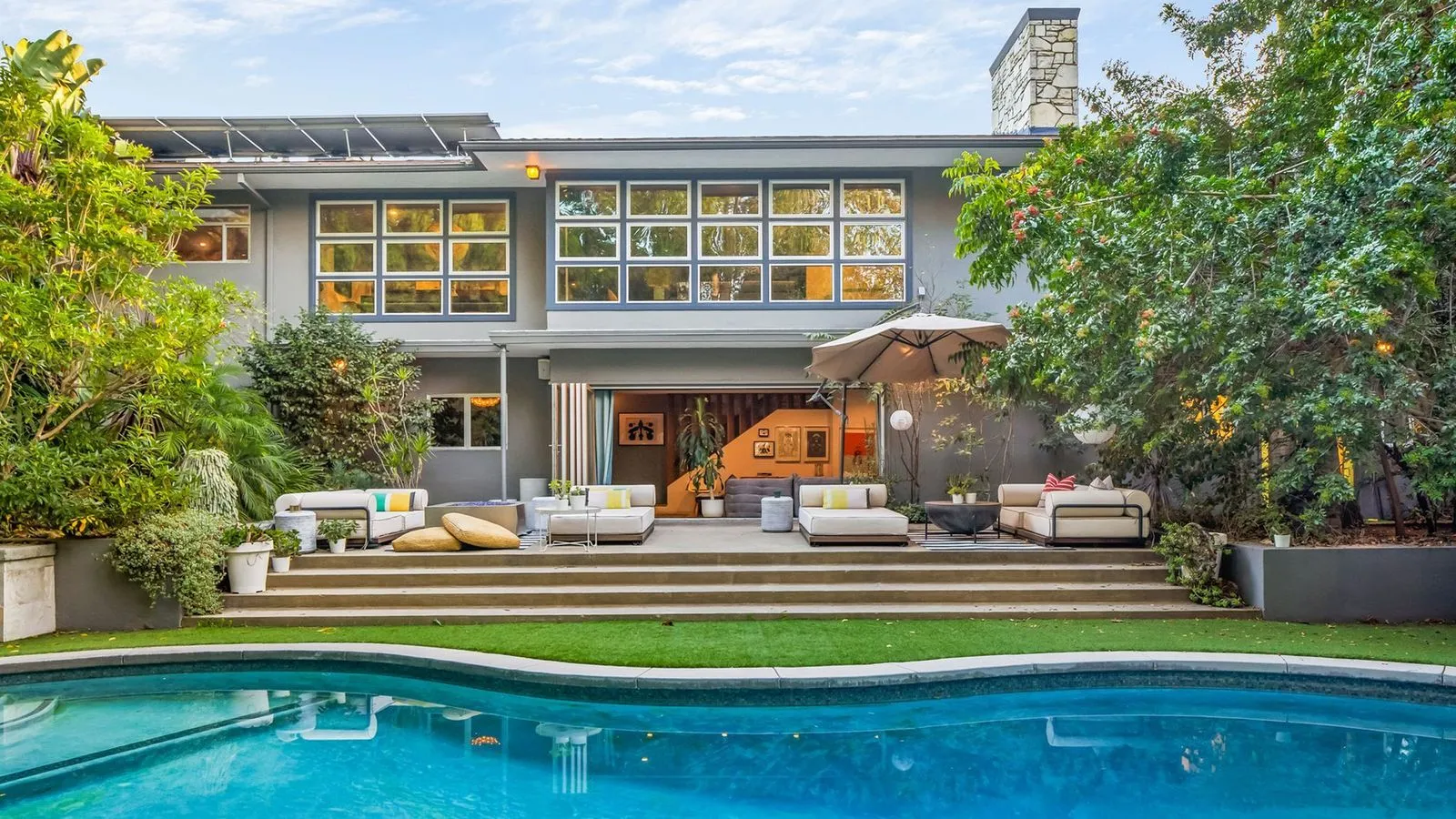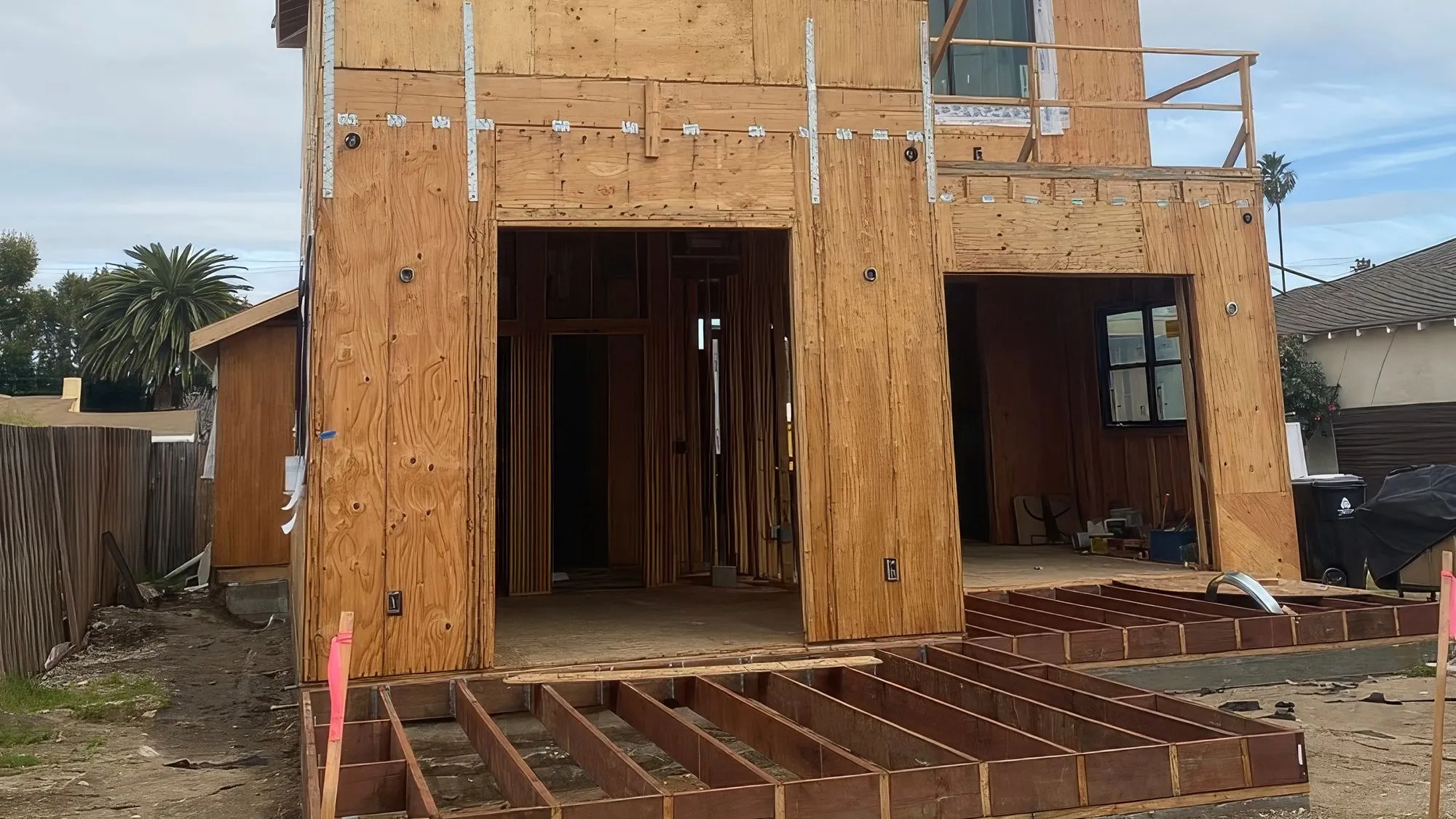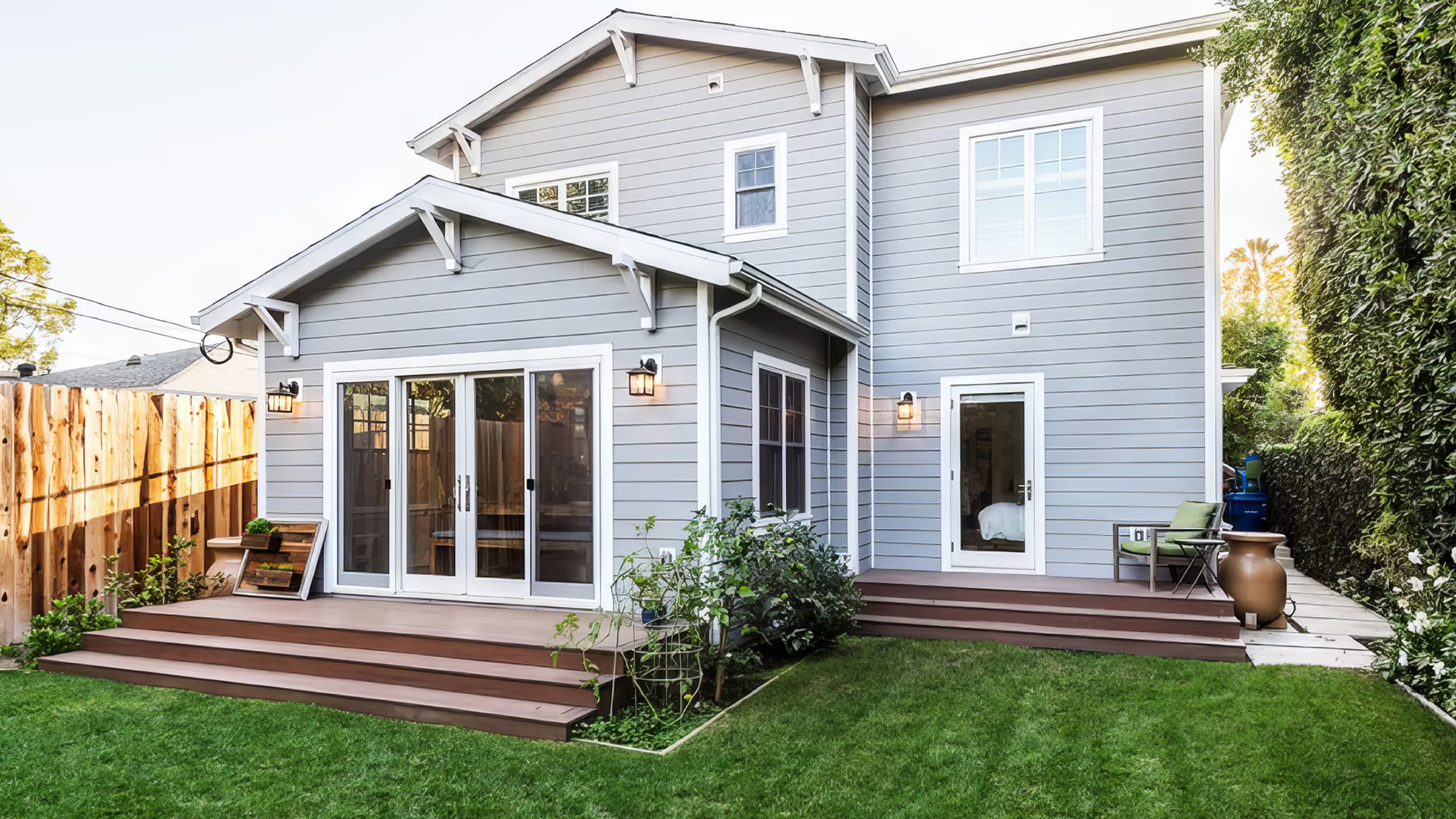


Think of your construction project like assembling an expert team. Do you want one unified team working together from day one, or do you prefer to hire two separate specialists and manage their collaboration yourself? This is the essential question at the heart of the design build vs design bid build for custom homes debate. With design-build, your architect and builder are part of the same company, creating a single point of accountability. In the traditional design-bid-build model, you hire an architect first, then solicit bids from separate contractors, making you the critical link between them. Your choice determines who is responsible for what, how communication flows, and ultimately, how smoothly your project progresses from a blueprint to a beautiful reality.

Key Takeaways

  • Decide if You Want One Team or Two: The core difference is your team structure. Design-build gives you a single, integrated team responsible for your entire project, while design-bid-build requires you to hire and manage separate design and construction firms.
  • Prioritize Budget Certainty with Early Collaboration: The design-build model integrates cost feedback from the very beginning, which helps align the design with your budget and prevent expensive surprises. The traditional method separates these phases, increasing the risk of budget overruns.
  • Match the Method to Your Project's Needs: Your project's complexity and your desired level of involvement should guide your choice. Design-build is ideal for custom, complex projects where you prefer a streamlined process, while design-bid-build can work for simpler projects if you're prepared to manage multiple contracts.

What's the Difference Between Design-Build and Design-Bid-Build?

When you're ready to start a major remodel or build a new home, one of the first big decisions you'll make is how you'll manage the project. The two most common paths are design-build and design-bid-build. While they might sound similar, they represent fundamentally different ways of working, and your choice will shape everything from your budget and timeline to your stress levels. Understanding the distinction is the first step toward a successful project, so let's break down exactly what each method involves.

What is Design-Build?

The design-build model is all about integration. With this approach, you hire a single firm that provides both architectural design and construction services under one roof. Your designer and builder are on the same team from day one, collaborating on your project from the initial sketches all the way through to the final nail. This means there's a unified vision and a single point of responsibility. Instead of you having to manage communication between a separate architect and contractor, the team works together seamlessly to bring your vision to life, often leading to a more streamlined and efficient process.

What is Design-Bid-Build?

Design-bid-build is the more traditional route. Here, the process is split into two distinct phases. First, you hire an architect or designer to create a complete set of construction plans. Once those plans are finalized, you take them and solicit bids from several different general contractors. Typically, you’ll choose a contractor based on their bid, and then you’ll sign a separate contract with them for the construction phase. This method separates the design services from the construction work, making you the middleman between two different companies. It’s a linear process where one phase must be completely finished before the next one begins.

The Core Differences

The fundamental difference between these two methods comes down to structure and responsibility. With design-bid-build, you have separate contracts and separate teams for design and construction. You manage two distinct relationships. In contrast, the design-build approach simplifies this by giving you a single contract and one integrated team responsible for the entire project. This changes the dynamic completely. Instead of a linear, segmented process, design-build fosters a collaborative environment where design and construction overlap. This integration is key, as it directly impacts communication, accountability, and how potential issues are resolved throughout the project.

The Pros and Cons of Each Construction Method

Choosing between design-build and design-bid-build isn't just about process—it's about what you value most for your project. Each path has its own rhythm and set of trade-offs. Understanding these differences is the first step to deciding which approach will best bring your vision to life while keeping your sanity and budget intact. Let's break down what you can expect from each method so you can feel confident in your choice.

Advantages and Disadvantages of Design-Build

The biggest advantage of the design-build model is having one unified team. Your architect and builder are on the same page from day one, working together toward a shared goal: your dream home or commercial space. This collaboration means less stress for you, as there's a single point of contact and accountability. The builder’s practical knowledge is integrated early in the design phase, which helps create realistic plans that align with your budget from the start. The main trade-off is that you're committing to one team for the entire project. However, for most homeowners, the benefit of a seamless, collaborative process far outweighs the alternative of managing separate contracts and personalities.

Advantages and Disadvantages of Design-Bid-Build

The traditional design-bid-build method separates the design and construction phases. You hire an architect to create a full set of plans, then put those plans out to bid with several general contractors. The main appeal is the competitive bidding process, which can feel like you're getting the lowest possible price. The reality, however, is often more complicated. The lowest bid can sometimes lead to builders cutting corners on quality or materials to make their numbers work. This can also create an adversarial relationship between your designer and builder if issues arise, leaving you caught in the middle. This method can work for certain projects, but it often introduces risks of budget overruns and conflict.

How Each Method Affects Your Budget and Timeline

Your budget and timeline are two of the most critical parts of any project, and your construction method directly impacts both. With design-build, you get a much clearer picture of the total cost before construction begins. Because the builder is involved during the design phase, they can provide real-time cost feedback, preventing designs that are beautiful but wildly over budget. This integrated approach also streamlines the timeline by eliminating the lengthy bidding process. In contrast, design-bid-build often leads to budget surprises. The initial design might not align with construction costs, leading to expensive change orders or delays while plans are redrawn. This disconnect is a common source of budget creep and extended project timelines.

Why Early Builder Involvement Matters

Bringing a builder into the conversation from the very beginning is one of the biggest advantages of the design-build model. Instead of treating design and construction as separate, sequential steps, this approach creates a collaborative partnership from day one. Think of it as having your entire expert team in the room from the initial sketch to the final walkthrough. This early collaboration isn't just a minor detail; it fundamentally changes the project's trajectory for the better. It leads to a more cohesive plan, a realistic budget, and a much smoother experience for you. When your architect and builder are working together, they can anticipate challenges, innovate solutions, and ensure the final build truly reflects the initial vision. This synergy means that practical construction knowledge informs the creative design process, preventing beautiful but unbuildable or wildly expensive ideas from making it too far down the road. It’s about building smarter, not just harder, and ensuring that every decision made during the design phase is grounded in the reality of construction costs, materials, and timelines. This integrated approach is the core of what makes the design-build model so effective for complex residential and commercial projects.

Keeping Your Budget on Track

One of the most stressful parts of any major renovation or build is the fear of the budget spiraling out of control. Early builder involvement is your best defense against this. When a builder is part of the design phase, they provide real-time cost feedback. This means your architect won't design a stunning feature that, it turns out, is impossible to build within your budget. Getting a builder involved early helps make sure the design fits your budget and avoids costly surprises later. This collaborative approach, central to a clear 4-step process, ensures the project is designed to your budget from the start, not retrofitted to it after the fact, which saves you both money and heartache.

Streamlining Your Project Timeline

In a traditional build, the timeline can get bogged down by the hand-off between the designer and the builder. With a design-build firm, one team manages everything from start to finish. This integrated process eliminates the time-consuming bidding phase and reduces delays caused by miscommunication between separate companies. Because the construction team understands the design intent intimately, they can plan logistics, order materials, and schedule tradespeople more efficiently. This means less stress for you and a project that moves forward smoothly, keeping everyone working toward the same goal on a clear, coordinated schedule.

One Team vs. Two: Who's Accountable?

When you hire a separate architect and contractor, what happens when something goes wrong? Often, it leads to a frustrating cycle of finger-pointing, with the builder blaming the plans and the architect blaming the execution. With a design-build team, that problem disappears. If there's a problem, you only deal with one company. There's no blaming between the architect and the builder because they are all part of the same team. This single point of accountability means the team is focused on finding solutions, not placing blame, giving you peace of mind that everyone is working together to make your project a success.

Ensuring Clear Communication and Quality

A successful project relies on clear and consistent communication. When your design and construction teams are under one roof, they share a common language and a unified vision for your project. This structure promotes clear communication and expectations from the very beginning. Everyone has a defined role and is aligned on the budget, timeline, and quality standards. This constant collaboration allows for better quality control throughout the build, as potential issues are identified and resolved proactively. The result is a higher-quality home or commercial space that is a true reflection of a shared, well-executed plan.

How to Choose: Key Factors for Your Project

Deciding between design-build and design-bid-build isn't about picking the "best" one—it's about choosing the best fit for your specific project, personality, and priorities. Answering a few key questions can bring a lot of clarity and help you feel confident in your choice. Think of this as your personal project roadmap. By considering your vision, budget, timeline, and how you like to work, you can identify the path that will lead to the most successful and least stressful outcome for your home or commercial space. Let's walk through the most important factors to consider.

How Complex is Your Vision?

Is your project a straightforward remodel, or are you dreaming up a one-of-a-kind space with unique architectural features? For simpler projects where the design is clear-cut, the traditional design-bid-build model can work well. However, the more complex and custom your vision becomes, the more you’ll benefit from a design-build approach. When architects and builders are on the same team from day one, they can collaborate to solve creative challenges, ensuring your ambitious ideas are both beautiful and buildable. This early collaboration prevents the disappointment of falling in love with a design only to find out later that it’s structurally impractical or way over budget. You can see some examples of complex visions brought to life in our project portfolio.

How Important is Budget Certainty to You?

For most people, this is a big one. If sticking to a clear, predictable budget is a top priority, the design-build model offers a significant advantage. Because one team manages the entire project, you get a realistic, all-in budget from the very beginning. The designers and builders work together to make choices that align with your financial goals. In the design-bid-build process, the lowest bid often wins the job, which can sometimes lead to builders cutting corners or hitting you with unexpected change orders down the line to make up for their low initial price. With design-build, everyone is working toward the same goal: creating a beautiful project that honors your budget.

What's Your Ideal Timeline?

Do you have a firm deadline, or is your timeline more flexible? The design-build process is almost always faster than its traditional counterpart. By overlapping the design and construction phases and having a single, unified team, you eliminate the time-consuming process of bidding the project out to multiple contractors. Communication is also more direct, which means decisions are made faster and problems are solved more efficiently. There’s no "he said, she said" between separate firms. If you want a streamlined project that moves forward smoothly and avoids unnecessary delays, the integrated nature of design-build is designed for exactly that. Our Clear 4-Step Process is built to keep things on track.

How Involved Do You Want to Be?

Think about your ideal role in this project. Do you enjoy managing multiple players and being the central point of communication, or would you prefer to have one key contact? With design-bid-build, you as the owner are the essential link between the architect and the builder, which requires a significant time commitment. In a design-build project, your role shifts from project manager to valued collaborator. You’re still making all the important decisions about materials and finishes, but you have a single, dedicated team guiding you. This frees you from the stress of mediating between separate entities and lets you focus on the fun parts of bringing your vision to life.

Who Manages the Risk?

Every construction project comes with some level of risk. The question is, who is responsible for managing it? In a design-bid-build scenario, the risk is split. If a design flaw leads to a construction issue, the architect and builder might point fingers, leaving you caught in the middle. According to the AIA Contract Documents, the design-build model places that risk squarely on a single firm. Since one team is responsible for both the design and the construction, they own the outcome. This single point of accountability means the team is fully invested in getting every detail right, from the initial drawings to the final nail, giving you greater peace of mind.

Avoiding Common Pitfalls in Your Build

No matter which path you choose, any major construction project comes with potential bumps in the road. The key is knowing what to look for so you can sidestep the most common issues. A well-managed project is all about proactive planning and clear communication, which helps prevent small hiccups from turning into major headaches.

Being informed about potential challenges helps you ask the right questions and choose a team that has the experience to guide you smoothly from start to finish. Here’s a look at some common pitfalls and how to avoid them.

Common Design-Build Challenges (And How to Avoid Them)

The design-build model is designed to minimize friction, but its success hinges on the quality of the team you hire. The biggest potential challenge is a lack of internal alignment. If the design and construction teams within the firm don't communicate effectively, you lose the primary benefit of the model.

To avoid this, look for a firm with a proven, transparent system. Ask them to walk you through their Clear 4-Step Process for managing projects. A well-established firm will have clear roles for every team member and a communication plan that keeps everyone—including you—aligned on budget, timeline, and expectations from day one. This ensures you get the streamlined experience you’re paying for.

Common Design-Bid-Build Mistakes (And How to Fix Them)

The separated nature of design-bid-build creates several common traps. The most frequent is going over budget. This often happens because the architectural plans are drawn up without real-time cost feedback from a builder, leading to a design that’s more expensive to build than anticipated.

Another major mistake is automatically choosing the lowest bid. A bid that seems too good to be true often is. To win the job, some contractors may cut corners on materials or labor, leading to lower-quality work that needs fixing down the line. The best way to avoid these issues is to have your architect and builder collaborate early, or better yet, work with an integrated team from the start.

Tips for Clear Communication

Regardless of the model, poor communication can derail any project. The best way to prevent this is to establish clear expectations from the very beginning. During the planning phase, your team should outline what kind of information you can expect and when. This isn't about overwhelming you with technical details; it's about creating a system of clear, brief updates that keep you informed.

A great firm will use tools like project schedules and regular check-in meetings to keep you in the loop. For example, our Action Plans provide a clear roadmap so you always know what’s happening next. This structured approach builds trust and ensures you feel confident and informed, not confused.

Red Flags to Watch For in Any Firm

When vetting potential partners, keep an eye out for a few red flags. A major one in the design-bid-build world is the "blame game." When something goes wrong, it’s easy for the architect and builder to point fingers at each other, leaving you stuck in the middle. With a design-build firm, there’s only one team and one point of accountability.

Other red flags include vague contracts, a lack of a clear process, or an unwillingness to provide references. Also, be wary of separate liability insurance policies for the designer and contractor, as this can create gaps in coverage. A reputable firm will be transparent about their process, portfolio, and how they handle challenges.

Making Your Choice: Which Path is Right for You?

Deciding between design-build and design-bid-build comes down to your project's needs and your personal style. Think about how you want to experience the process, how you handle budgets, and how involved you want to be day-to-day. Answering these questions honestly will point you in the right direction.

Who is Design-Build For?

The design-build model is a great fit if you value a streamlined, collaborative process. This path is for homeowners and developers who prefer having one dedicated team and a single point of contact from the first sketch to the final walkthrough. If the thought of juggling an architect and a separate contractor sounds stressful, design-build offers a simpler alternative. It promotes clear communication and ensures everyone—designer, architect, and builder—is aligned on your vision and budget from day one. This approach is ideal for those who want to minimize risk, ensure accountability, and enjoy a more hands-off, predictable construction experience.

Who is Design-Bid-Build For?

The traditional design-bid-build path may be right for you if you want to maintain distinct control over each phase and are prepared to manage the relationship between the designer and builder yourself. This method involves commissioning a licensed architectural design first, then putting the plans out to bid with multiple general contractors. It can work well for clients who have experience with construction projects and feel comfortable acting as the middleman. While this approach allows you to potentially select the lowest bid, it also places the responsibility of managing communication and resolving any conflicts between the two separate firms squarely on your shoulders.

How to Make the Final Call

Ultimately, your decision affects the contracts you'll sign and the way your project is managed. Ask yourself: Do I want to hire an architect to create a bid package and then search for a builder, or would I rather engage a single, unified team to handle the entire project? Your answer will shape your role in the process. Consider your timeline, budget flexibility, and how much time you can realistically commit to managing the project. Planning ahead is key, and developing a clear project roadmap can help you weigh the pros and cons for your specific situation. Creating one of our Action Plans can help you clarify your goals and make a confident choice.

Related Articles

Frequently Asked Questions

Is the design-build model more expensive than the traditional route? Not necessarily. While you might see a lower initial bid in a design-bid-build process, that number often doesn't tell the whole story. The design-build approach focuses on providing budget certainty from the start. Because your builder is involved during the design phase, the plans are created with real-world costs in mind, which helps prevent expensive changes and budget overruns later. It’s about establishing a realistic, all-in cost upfront rather than chasing a low bid that might grow over time.

What if I already have an architect I love? Can I still work with a design-build firm? This is a great question and it happens sometimes. While the core benefit of design-build is having a fully integrated team under one roof, some firms are flexible. The best approach is to have an open conversation with the design-build firm. They may be able to partner with your architect to manage the construction phase, bringing their practical building expertise to the project. This can create a hybrid approach that still offers better collaboration than a traditional design-bid-build setup.

Does choosing design-build mean I have less creative control over my project? Quite the opposite. The design-build process is deeply collaborative, and you are at the center of it. You still make all the key decisions about the look, feel, and function of your space. The difference is that you’re making those decisions with the full picture in front of you. Your team provides immediate feedback on how your choices will affect the budget and timeline, which empowers you to make informed decisions that align with your vision without any unwelcome surprises.

How exactly does design-build save time compared to design-bid-build? The time savings come from eliminating the gaps in the process. In a traditional project, you have to complete the entire design phase before you can even start looking for a builder, which involves a lengthy bidding period. With design-build, the design and construction phases can overlap. Your team can order long-lead materials and begin site prep while final design details are still being polished. This parallel workflow, combined with seamless communication, keeps the project moving forward without the stop-and-start delays common in the traditional method.

What is the single biggest risk of the design-bid-build method? The biggest risk is the accountability gap. When you have a separate designer and builder, it’s easy for them to point fingers at each other if a problem arises. The builder might blame the architect’s plans, and the architect might blame the builder’s execution, leaving you stuck in the middle trying to mediate. This can lead to project delays, added costs, and a lot of stress. With a design-build firm, there is one team and one point of responsibility, so their focus is on finding solutions, not placing blame.