


Any major construction project comes with its share of potential headaches, from unexpected costs to frustrating delays. The good news is that many of these issues can be minimized by choosing the right project structure from the very beginning. The method you select—whether it's the all-in-one design-build model or the sequential design-bid-build process—directly impacts how your team communicates, solves problems, and manages your budget. The design build vs design bid build choice is your first line of defense against common construction pitfalls. By understanding how each approach handles risk and responsibility, you can select the framework that best protects your investment and gives you peace of mind.

Key Takeaways

  • Choose your team structure: With design-build, you hire one integrated firm to handle everything from concept to construction. With design-bid-build, you hire an architect and a builder separately and are responsible for managing the relationship between them.
  • Align the model with your main goal: If a faster timeline and a simpler process with one point of contact are most important, design-build is your answer. If getting multiple competitive bids on a fully completed design is your top priority, choose design-bid-build.
  • Know where to focus for a successful project: In a design-build project, your success depends on thoroughly vetting and choosing the right firm upfront. In a design-bid-build project, it relies on having exceptionally detailed architectural plans before you ever talk to a builder.

Design-Build vs. Design-Bid-Build: What's the Difference?

When you’re ready to start a major remodel or build a new home, one of the first big decisions you'll make is how to structure your project. You have two main paths to choose from: design-build and the more traditional design-bid-build. Each approach defines how your architect and contractor will work together—or separately—and it shapes everything from your timeline and budget to your own role in the project. Understanding the fundamental differences between them is the key to picking the right fit for your vision and ensuring a streamlined process from start to finish. Let's break down what each model looks like in practice.

The Design-Build Model: One Team, One Contract

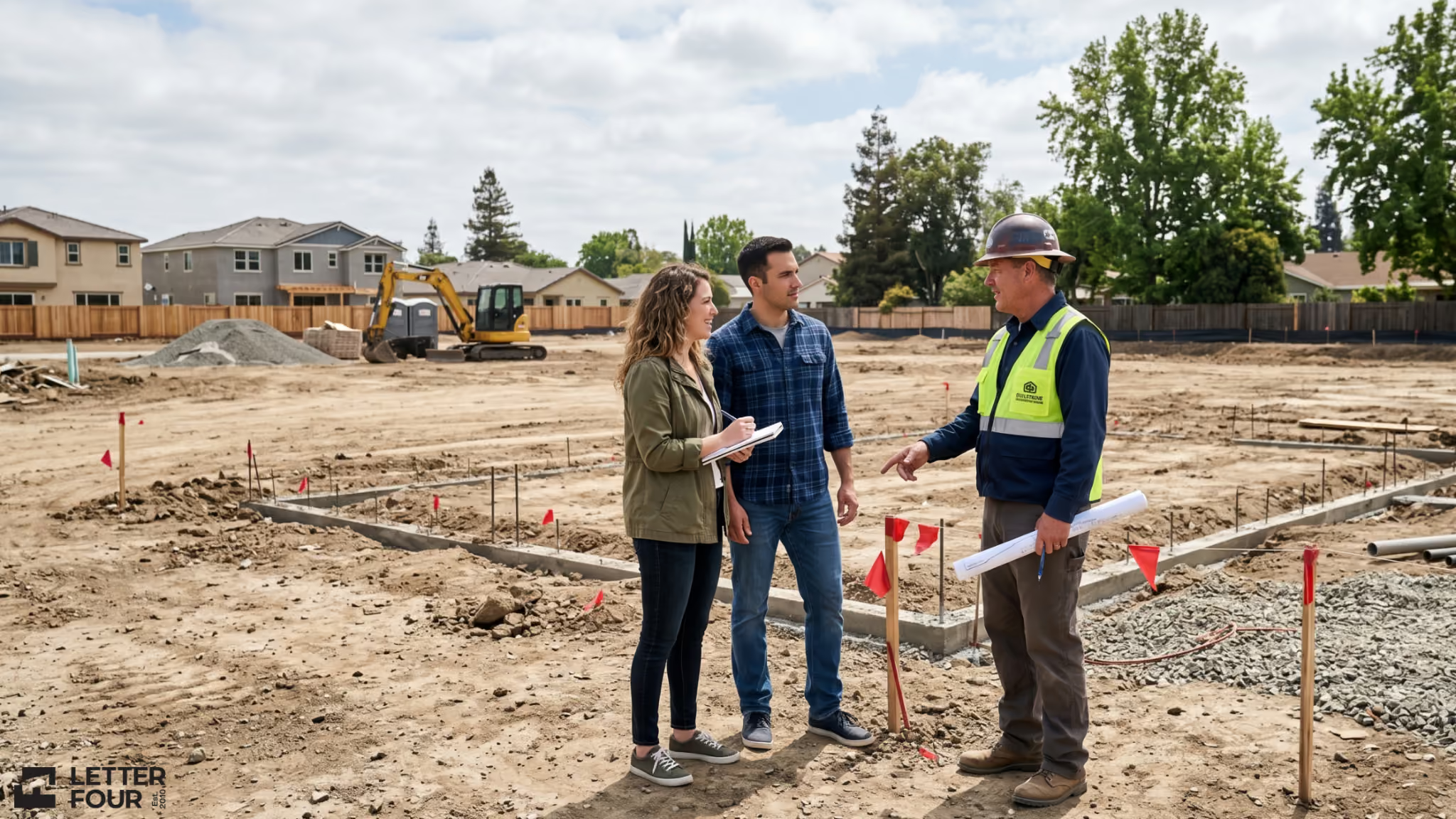
Think of the design-build model as your all-in-one solution. Instead of hiring an architect and a general contractor separately, you hire a single firm that handles everything from the initial sketches to the final construction. Your architect, designers, and builders are all part of the same team, working together under one contract from day one. This collaborative design-build approach means everyone is on the same page about the budget and timeline right from the start. Because the design and construction phases overlap, this method can often move faster and help prevent costly surprises down the road. It’s a simplified process that gives you one dedicated point of contact for the entire project.

The Design-Bid-Build Model: A Step-by-Step Approach

The design-bid-build model is the more traditional, linear route. It unfolds in three distinct phases. First, you hire an architect or designer to create a complete set of construction plans. Once those designs are 100% finished, you move to the second phase: bidding. You’ll take your finished plans and submit them to several different general contractors, who will each provide a bid, or price, to build the project. Finally, you select a contractor—often, but not always, the one with the lowest bid—and they begin the construction. In this model, you manage two separate contracts: one with your designer and one with your builder, who may be meeting for the first time when construction starts.

Breaking Down the Key Differences

On the surface, both the design-build and design-bid-build models result in a finished project. But how you get there—the journey, the team dynamics, and your role as the owner—couldn't be more different. The choice you make affects everything from your project's timeline and budget to the flow of communication and who is ultimately responsible when challenges arise. Understanding these core distinctions is the first step in deciding which path is the right fit for you and your vision. Let's look at the four biggest factors that set these two approaches apart: your timeline, your team, your contracts, and your budget.

How Each Model Affects Your Timeline

The biggest difference you’ll notice is the schedule. The design-bid-build model is a linear, step-by-step process. First, you complete the entire design phase with an architect. Only when the plans are 100% finished do you send them out to bid. Once you select a contractor, construction begins. Each phase must end before the next can start, which can add significant time to your project.

In contrast, the design-build model allows for a much faster timeline because design and construction can overlap. Since the architect and contractor are on the same team from day one, construction activities like site prep or permitting can begin while final design details are still being polished. This integrated approach compresses the overall schedule, getting you to the finish line sooner.

Your Project Team and Communication Flow

Think of your project team as the central nervous system of your build. In a design-bid-build project, you have separate teams. You hire a designer, and then you hire a contractor. This often puts you in the middle, managing communication between two different companies that may have different priorities. If a problem comes up, it can sometimes lead to finger-pointing between the design and construction teams.

With design-build, you have one unified team under one roof. Your architect, contractor, and interior designers are all colleagues working collaboratively toward the same goal. This creates a single point of responsibility and a much smoother communication flow. Instead of juggling multiple contacts, you have one integrated team to talk to, which simplifies decision-making and problem-solving.

Contracts: Who Do You Sign With?

The contractual structure is a clear dividing line between the two models. If you choose design-bid-build, you’ll sign at least two separate contracts: one with your architect for the design and another with your general contractor for the construction. This means you are responsible for managing both agreements and ensuring the two parties work together, which can be a lot to handle.

The design-build approach simplifies this dramatically. You sign a single contract with one firm that is responsible for the entire project, from the initial concept straight through to the final nail. This single point of contact streamlines everything from payments to legal responsibilities. It’s a much more straightforward arrangement that reduces your administrative burden and clarifies who is accountable for delivering the final product.

How Each Approach Handles Your Budget

In a design-bid-build scenario, the budget isn't truly set until after the design is complete and you've received bids from contractors. While the competitive bidding process can sometimes result in a lower initial price, it also carries risk. If the design is more expensive to build than anticipated, you might face costly redesigns or unexpected change orders during construction.

Design-build offers more cost certainty from the very beginning. Because the construction team is involved during the design phase, they can provide real-time cost feedback. This ensures the design evolves in alignment with your budget, preventing expensive surprises down the road. This collaborative approach is central to our Clear 4-Step Process, which establishes a realistic budget upfront and helps you stick to it.

The Pros and Cons of Design-Build

Every construction method has its strengths and weaknesses, and the right choice really comes down to your project goals and personal preferences. The design-build model is celebrated for its efficiency and collaborative spirit, but it’s helpful to look at the full picture. Understanding both sides of the coin ensures you can make an informed decision that feels right for you and your project. Let's break down what you can expect—the good and the potential trade-offs.

The Upside: A Faster, Simpler Process

The biggest advantage of the design-build model is its integrated nature, which creates a much smoother and faster path to completion. Because your designer and builder are on the same team from day one, there’s no disconnect. This single point of responsibility means you have one contract and one primary contact, simplifying communication immensely. The design-build method allows design and construction phases to overlap, which can significantly shorten your project timeline. This synergy also leads to fewer surprises. With the entire team collaborating from the start, your budget is more accurate and less likely to inflate due to unforeseen design conflicts or communication breakdowns between separate firms.

The Downside: Fewer Bids and Potential Design Trade-offs

On the other hand, the design-build approach inherently limits the competitive bidding process. Since you’re hiring a single, unified team, you won’t be soliciting separate bids from multiple contractors for a completed design. For some owners, this can feel like they’re missing an opportunity to compare costs. There can also be a concern that a contractor-led firm might prioritize budget over the architectural vision, potentially leading to design compromises. This is why choosing the right firm is so critical. A truly integrated firm with licensed architects on staff ensures that design integrity is a core part of the process, not an afterthought. You can see this commitment in a firm's portfolio.

The Pros and Cons of Design-Bid-Build

Design-Bid-Build is the traditional path for construction projects, and for a long time, it was the standard way of doing things. This model creates a clear separation between the design phase and the construction phase, which comes with its own distinct set of benefits and drawbacks. Understanding these is key to deciding if it’s the right fit for your project in Los Angeles. Let's break down what you can expect with this approach.

The Upside: Competitive Bidding and Full Design Control

The biggest draw of the Design-Bid-Build model is the competitive bidding process. Once your architectural plans are complete, you can send them out to multiple general contractors to get bids. This competition can sometimes lead to a lower initial price for the construction phase. You also have complete control over the design process, working one-on-one with your architect to perfect every detail before a builder ever sees the plans. This gives you the freedom to explore your vision without early input on construction feasibility, which some owners prefer. It’s a linear path where you finalize your licensed architectural design first, then find someone to build it.

The Downside: Longer Timelines and Communication Gaps

The sequential nature of Design-Bid-Build often leads to a much longer project timeline. Because design must be 100% complete before you can even start looking for a builder, the process is naturally drawn out. This separation also creates a communication gap between the design and construction teams. Your builder has no input during the design phase, which can lead to costly surprises later. They might discover that a design element is impractical to build or far more expensive than anticipated, resulting in change orders and delays. This disconnect between the architect’s vision and the builder’s execution is where many projects run into friction, a stark contrast to a more streamlined process.

Managing Risk: Who's Responsible for What?

Any major construction project comes with a certain amount of risk. Whether it’s a budget overrun, a scheduling delay, or an unexpected issue on-site, problems can and do arise. How those problems are handled—and who is responsible for solving them—depends heavily on the project delivery model you choose. Understanding where the responsibility lies is key to protecting your investment and your peace of mind.

Where the Buck Stops: Accountability in Each Model

In a design-build project, accountability is straightforward. Because you have a single contract with one team, that team is responsible for everything from the architectural drawings to the final nail. If an issue comes up, there’s no finger-pointing between the architect and the contractor. The design-build firm owns the problem and is responsible for finding a solution. This clear line of accountability simplifies communication and ensures that everyone is working toward the same goal: a successful project for you. In the design-bid-build model, responsibility is split, which can leave you caught in the middle if the plans and the on-site reality don’t align.

Your Role in Quality Control and Liability

With the traditional design-bid-build approach, you or your project manager often have to act as the referee between the design and construction teams. You are responsible for making sure the builder is following the architect’s plans correctly, which can require more oversight on your part. In contrast, quality control is built into the design-build process. Designers and builders collaborate from day one, reviewing plans for feasibility and quality before construction even begins. This integrated approach means our Clear 4-Step Process catches potential issues early, reducing your liability and ensuring the final product meets everyone’s standards without you having to play supervisor.

Handling Changes and Predicting Final Costs

Changes are almost inevitable in a construction project. In a design-bid-build scenario, even a small change can lead to a formal "change order," which often comes with added costs and delays. Because the contractor bids on a fixed set of plans, any deviation requires a new negotiation. The design-build model is far more flexible. Since the team works together from the start, they can anticipate challenges and create more accurate budgets. If you decide to make a change mid-project, the integrated team can quickly assess the impact on cost and schedule, often finding creative solutions without the formal, and sometimes adversarial, change order process. This makes your final costs much more predictable.

Which Approach Is Right for Your Project?

Choosing between design-build and design-bid-build isn't about picking a "better" option—it's about finding the right fit for your project's goals, your budget, and how you want to work. One path offers a streamlined, all-in-one experience, while the other provides a more traditional, segmented approach. Understanding the core differences will help you decide which process aligns best with your vision for your Los Angeles home or commercial space. By weighing what matters most to you—speed, cost control, or hands-on management—you can confidently select the structure that will set your project up for success from day one.

This decision shapes your entire experience, from the first blueprint to the final coat of paint. The design-build model integrates the architect and contractor from the very beginning, creating a single, unified team that works collaboratively. This fosters open communication and allows for real-time problem-solving, as the people designing the space are in constant conversation with the people building it. In contrast, the design-bid-build method creates a clear separation between these two phases. You finalize a complete design with an architect before seeking bids from contractors. This linear process can feel more methodical, but it also places the responsibility on you to manage the relationship between two separate entities. Thinking through how you prefer to communicate and how much risk you're willing to manage is a crucial first step.

Choose Design-Build If You Value Speed and Simplicity

If your top priorities are getting your project done efficiently and with fewer headaches, the design-build model is likely your best bet. Because the design and construction phases overlap, your project can move forward much faster. Instead of juggling separate contracts and contacts, you have a single, unified team responsible for everything from the initial sketches to the final walkthrough. This integrated approach means the design-build firm shoulders the responsibility for the budget, schedule, and quality, simplifying your role and minimizing the risk of miscommunication. It’s an ideal choice for anyone who wants a cohesive, collaborative process with one point of accountability.

Choose Design-Bid-Build for Maximum Bids and Control

The design-bid-build method is the traditional go-to for property owners who want to see multiple competitive bids for the construction phase. In this model, you first hire an architect to complete the design 100%. With finished plans in hand, you can then solicit bids from several general contractors, which can be appealing if securing the lowest possible construction cost is your main driver. This approach gives you a high degree of control over each separate stage. However, it also means you take on more risk and management duties, acting as the bridge between the designer and the builder, which can lead to a longer timeline and potential conflicts if issues arise.

Key Questions to Ask Yourself

To find your answer, take a moment to think about your personal priorities. Ask yourself: Is a faster timeline critical, or do I have flexibility? How involved do I want to be in managing different teams and contracts? Am I comfortable taking on the risk of potential gaps between the design and construction phases, or would I prefer one team to be accountable for the entire project? Your answers will point you in the right direction. For larger, more complex projects where efficiency is key, a streamlined design-build process often makes the most sense. If you prioritize separating the design and bidding stages completely, design-bid-build might be a better fit.

How to Succeed, No Matter Which Path You Choose

Regardless of which project delivery method you select, your project’s success hinges on clear communication, mutual trust, and proactive management. Both design-build and design-bid-build can lead to a beautiful, well-built space, but they require different approaches from you as the owner. By understanding your role and responsibilities within each framework, you can set your project up for a smooth journey from start to finish. The key is to stay engaged, ask questions, and work with professionals who prioritize transparency every step of the way.

Tips for a Successful Design-Build Project

With the design-build model, you’re choosing your entire team in a single firm, so your most important decision happens right at the start. Take the time to find a firm whose work you admire and whose team you connect with. Because you’re placing your trust in one entity for both design and construction, it’s essential to establish a clear project scope and maintain open communication from day one. A successful design-build project relies on this collaborative spirit. Be prepared to make decisions efficiently and trust the integrated process to carry your vision forward without the friction of managing separate contracts.

Tips for a Smooth Design-Bid-Build Process

In a design-bid-build project, you’re in the driver’s seat, which means you carry more of the risk. Your best tool for managing that risk is a highly detailed set of construction documents. Before you even think about sending your project out for bids, work with your architect to ensure every single detail is specified in the plans. This level of detail is your primary defense against ambiguity, unexpected costs, and change orders down the line. When it’s time to hire a contractor, remember that the lowest bid isn’t always the best. Vet each candidate thoroughly by checking references and reviewing their past work.

Staying on Track with Clear Communication and Quality Checks

No matter the model, consistent communication is the lifeblood of a construction project. Establish a regular meeting schedule with your team to review progress, address concerns, and keep the project moving forward. Don’t be afraid to ask questions or request clarification. It’s also wise to perform your own quality checks by visiting the site at key milestones. A well-defined project plan, like our Clear 4-Step Process, builds in checkpoints for communication and quality control. Ultimately, a proactive approach ensures that the final result matches your expectations and that there are no costly surprises along the way.

Related Articles

Frequently Asked Questions

Is the design-bid-build model always cheaper because of the competitive bidding? Not necessarily. While the initial construction bid in a design-bid-build project might seem lower, the final cost can easily creep up. Because the builder isn't involved in the design phase, issues can pop up during construction that require expensive change orders and cause delays. The design-build model provides more cost certainty from the beginning, as the construction team provides real-time budget feedback during the design process, ensuring the plans are realistic and preventing costly surprises down the road.

What if I already have an architect I love? Does that mean I can't use the design-build model? This is a great question and a situation that comes up often. While the classic design-build model has everything under one roof, some firms are open to a more collaborative approach. It's worth having a conversation with a design-build firm to see if they would be willing to partner with your architect. The goal is to create a unified team, and if everyone is on board from the start, you can still get many of the benefits of a streamlined process.

I'm worried that with design-build, the construction budget will dictate the design. Will I have to compromise my vision? This is a valid concern, but a quality design-build firm sees the budget as a creative guide, not a limitation. The goal is to align your vision with what's practical to build. When your architect and builder collaborate from day one, they can find innovative solutions to bring your ideas to life within your budget. It’s less about compromising and more about smart, informed design that prevents you from falling in love with a plan you can't afford to build.

How much of my own time and involvement will each process require? Your role as the owner is significantly different in each model. With design-bid-build, you often become the middleman, managing communication and resolving issues between your separate design and construction teams, which can be very time-consuming. The design-build process is much simpler for you. With a single point of contact, the firm handles all the internal coordination, freeing you up to focus on the fun parts of the project, like making design decisions, rather than managing team logistics.

Is one model better for a really complex or unique project? For complex or highly custom projects, the design-build model typically has a clear advantage. Its collaborative structure is ideal for creative problem-solving. When your architect and builder are working together from the start, they can tackle unique challenges, source specialty materials, and figure out how to execute ambitious ideas much more effectively. This integrated teamwork ensures that a complex vision can be brought to life smoothly and without the friction that can occur between separate firms.