

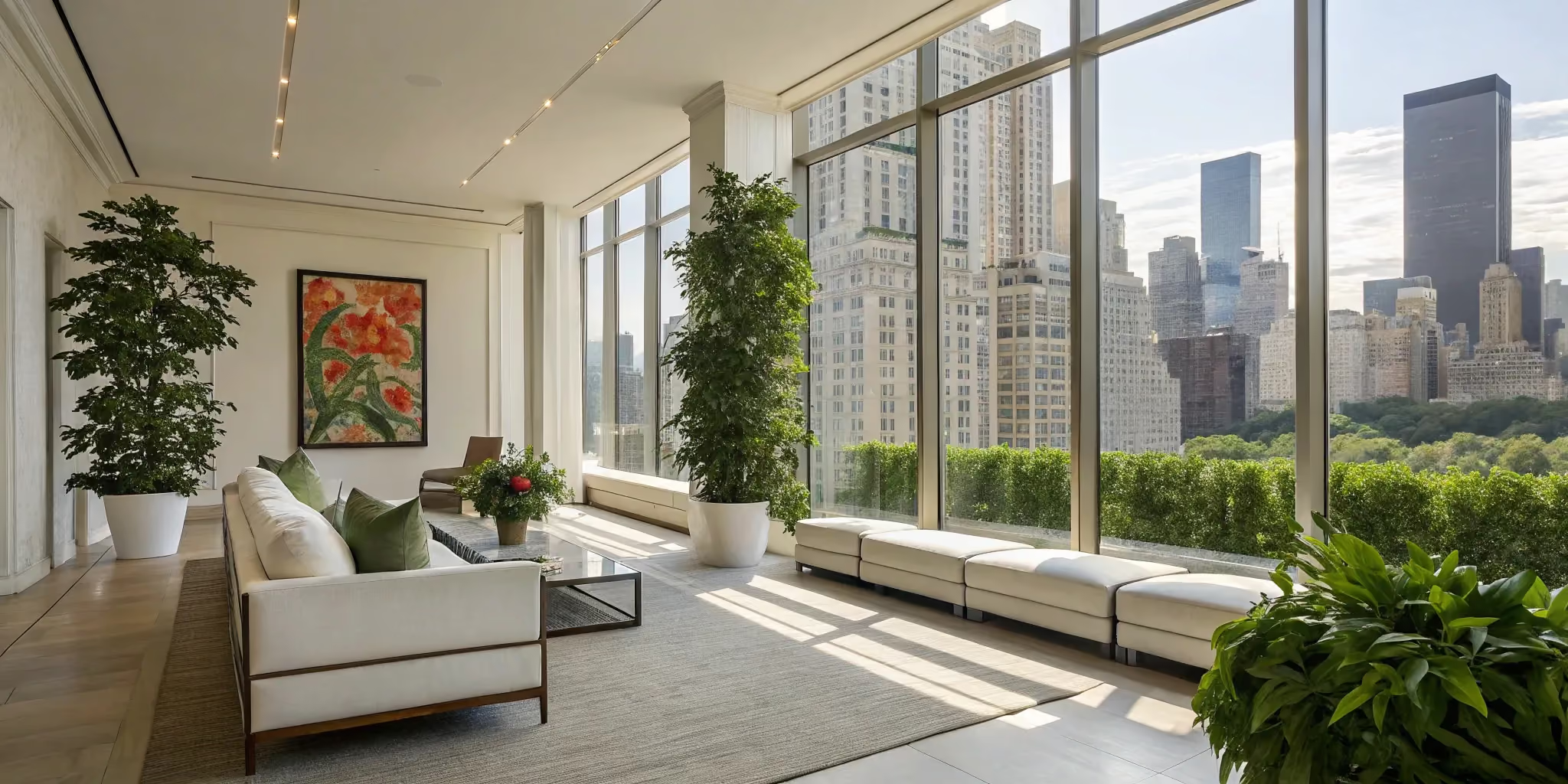
There’s a reason modern design feels so perfectly suited to the Los Angeles lifestyle. The emphasis on open-concept floor plans, abundant natural light, and a seamless connection between indoors and out captures the essence of California living. This style is more than just an aesthetic; it’s a way of life built around simplicity, function, and a deep appreciation for natural materials. Whether you're planning a major remodel in the Pacific Palisades or a new build in Hollywood, understanding this approach is key. We’ll walk you through the essential elements and offer practical modern architectural interior design ideas to help you create a space that is both timeless and perfectly designed for our sun-drenched city.
Key Takeaways
- Embrace a "Less is More" Philosophy: The foundation of modern design is simplicity. Start by clearing out clutter and then choose furniture where form and function are perfectly matched, ensuring every piece serves a clear purpose.
- Layer Natural Textures for Warmth: To prevent a clean, minimalist space from feeling cold, introduce a rich mix of materials. Combine smooth surfaces with the organic textures of wood, stone, leather, and soft textiles to add depth and create an inviting atmosphere.
- Establish a Consistent Design Language: A cohesive modern home feels intentional and connected. Achieve this by repeating key elements—like a specific wood tone, an accent color, or a hardware finish—throughout your rooms to create a seamless, unified flow.
What Exactly Is Modern Architectural Interior Design?
When you hear "modern design," you might picture a stark, all-white room, but it's so much more than that. At its core, modern architectural interior design is a philosophy that prioritizes simplicity, clean lines, and functionality. It’s about creating spaces that feel intentional, open, and uncluttered. This style has its roots in the early to mid-20th century, breaking away from the ornate and heavily decorated styles that came before it. Think of it as a "less is more" approach where every element has a purpose and a place.
The goal isn't to create a cold or sterile environment, but rather a calm and organized one. It’s a style that celebrates natural materials, geometric shapes, and a neutral color palette, allowing the architecture and the carefully chosen furnishings to shine. When we design a modern home, we focus on creating a seamless flow from one space to the next, making your home feel both expansive and cohesive. You can see how these principles come to life in our portfolio of projects across Los Angeles. It’s a timeless look that feels both current and classic, perfect for a busy, modern lifestyle.
The Guiding Principles of Modern Design
The most important rule in modern design is that form serves function. This simply means that every piece in your home, from the sofa to the light fixtures, should be practical and serve a clear purpose. There’s no room for clutter or purely decorative items that don’t add value to the space. This principle is balanced by a deep appreciation for natural materials. Think warm woods, sleek stone, leather, and metal accents that add texture and depth. These elements prevent the minimalist aesthetic from feeling cold, creating stylish homes that are both beautiful and incredibly livable.
Modern vs. Traditional: What's the Difference?
It’s easy to get modern and traditional styles mixed up, but they are fundamentally different. Traditional design embraces ornamentation, intricate details, and plush, heavy furniture—think carved wood, curved lines, and rich fabrics. Modern design, on the other hand, is the complete opposite. It favors straight lines, simple geometric shapes, and smooth surfaces. A modern sofa will have a clean silhouette and simple legs, while a traditional one might have rolled arms and a floral pattern. Understanding the key differences between various interior design styles is the first step in figuring out what truly resonates with you and your vision for your home.
The Hallmarks of a Modern Interior
Modern design is defined by a few key characteristics that work together to create a space that feels both intentional and effortlessly calm. It’s not about following rigid rules but about embracing a philosophy that values simplicity, functionality, and a strong connection to the environment. When you step into a truly modern home, you’ll notice how every element has a purpose. The result is a clean, organized, and deeply personal space that supports your lifestyle. These core principles—clean lines, open layouts, and natural materials—are the foundation of any modern interior. They guide every decision, from the architectural structure to the final decorative touches, ensuring a cohesive and timeless feel. You can see these principles in action throughout our portfolio of Los Angeles homes.
Embracing Clean Lines and Simple Shapes
At the heart of modern design is a love for clean, crisp lines. Think strong horizontal and vertical lines with very few curves or ornate details. This applies to the architecture itself—like flat roofs and large, unadorned windows—as well as the furniture and decor inside. Sofas have simple, geometric shapes, tables are sleek, and cabinetry is often flat-paneled and hardware-free. The idea is to let the structure and the materials speak for themselves without adding unnecessary decoration. This focus on simplicity creates a sense of order and tranquility, allowing your mind to rest. It’s a "less is more" approach where functionality is just as important as form, and every piece is chosen with care and intention.
The Beauty of Open, Uncluttered Spaces
Modern homes feel wonderfully spacious and airy, largely thanks to open-concept floor plans. This design choice removes unnecessary walls between common areas like the kitchen, living room, and dining room, creating a seamless flow from one space to the next. An open layout not only makes a home feel larger but also encourages connection and social interaction. It allows natural light to travel further, brightening the entire interior. This sense of openness is paired with a commitment to an uncluttered environment. It’s not about having empty, sterile rooms, but about being intentional with your belongings. Everything has its place, which helps maintain a serene and organized atmosphere that is central to the modern aesthetic. Our design-build process is perfect for creating these open, flowing spaces.
Using Natural Materials and Calming Colors
To balance the clean lines and open spaces, modern design incorporates a rich palette of natural materials. Wood, stone, leather, and metal are used generously to add warmth, texture, and a connection to the outdoors. You might see a stone fireplace, warm wood floors, or exposed steel beams that celebrate the inherent beauty of the materials. This organic touch prevents the design from feeling cold or clinical. The color palette complements these materials, typically drawing from nature with neutral tones like white, beige, gray, and black. These calming colors create a serene backdrop, allowing the architectural details and natural textures to stand out. This focus on natural elements often extends to a commitment to sustainability, a core value in contemporary design.
How Can You Bring Modern Design Into Your Home?
Adopting a modern aesthetic doesn't mean you have to start from scratch or give up everything you own. It’s about making intentional choices that create a sense of calm, simplicity, and sophistication. You can introduce modern elements into your home one step at a time, focusing on changes that make the biggest impact. The goal is to create a space that feels both fresh and functional, reflecting a clean, organized approach to living. This design philosophy values open space, natural light, and a clear purpose for every item in a room. It’s less about following rigid rules and more about curating an environment that supports a clear mind and an efficient lifestyle. By focusing on a few key principles, you can transform your home into a modern sanctuary that feels both personal and timeless. Our portfolio is full of examples showing how these ideas come to life in real Los Angeles homes. Whether you're planning a major remodel or just looking to refresh a room, these actionable steps will guide you toward a more modern interior.
First, Declutter and Simplify
The first and most crucial step toward a modern interior is to clear the clutter. Modern design is built on the idea of "less is more," where every object has a purpose and a place. Start by going through your space and removing anything that feels unnecessary, from excess decor to furniture that crowds the room. This isn't about creating a sterile environment; it's about giving your favorite pieces room to breathe. When you understand the interior design styles you're drawn to, it becomes easier to decide what stays and what goes. A simplified space feels larger, calmer, and more intentional, laying the perfect foundation for a clean, modern look.
Select Smart, Multifunctional Furniture
In modern design, every piece of furniture should earn its keep. This is especially true in city living, where space is often at a premium. Look for smart, multifunctional furniture that combines form and function beautifully. Think of a coffee table with hidden storage, a sleek sofa that converts into a guest bed, or a modular shelving unit that can adapt to your needs. These pieces help maintain a clean, uncluttered look by providing clever storage solutions. Choosing furniture with simple, geometric shapes and neutral tones will further enhance the modern feel, creating a cohesive and highly practical living area. Our design-build services often incorporate these solutions to maximize both style and utility.
Let the Natural Light In
Natural light is a key player in modern architectural design. It makes spaces feel larger, more open, and more connected to the outdoors. To maximize the light in your home, keep window treatments minimal. Opt for sheer curtains, simple blinds, or leave windows bare if privacy allows. You can also use mirrors strategically to reflect light and create an illusion of more space. If you're planning a remodel, consider adding larger windows, skylights, or glass doors. Great architectural design harnesses natural light to create structures that are not only beautiful but also feel bright and welcoming throughout the day.
Incorporate Sustainable Materials
Modern design increasingly embraces sustainability, focusing on materials that are both beautiful and environmentally responsible. Incorporating natural and eco-friendly materials can add warmth, texture, and character to a minimalist space. Think about using bamboo flooring, reclaimed wood for an accent wall, countertops made from recycled glass, or furniture crafted from sustainable sources. These elements not only reduce your home’s ecological footprint but also connect your interior to the natural world. Choosing sustainable materials is a thoughtful way to build a home that is not only stylish and modern but also healthy for you and the planet.
What Are the Most Popular Modern Interior Design Styles?
Modern design isn't a single, rigid style; it's more like a family of related approaches, each with its own personality. While they all share core principles like clean lines and simplicity, they express them in unique ways. Think of it like this: you know you want a space that feels current and uncluttered, but what kind of vibe are you going for? Are you drawn to warm, organic textures, or do you prefer a raw, urban edge?
Exploring these different styles is a great way to pinpoint the specific elements you love. It helps you gather inspiration and create a clear vision for your project, whether it's a major remodel or a brand-new build. Understanding these popular interpretations of modern design will give you the language to communicate exactly what you want. Let's look at a few of the most beloved styles to see which one might be the perfect fit for your Los Angeles home.
The Timeless Appeal of Mid-Century Modern
If you love clean lines but crave a bit of warmth and retro character, Mid-Century Modern might be for you. This style, which emerged in the post-war 1940s and ’50s, is all about simplicity and function, but with a playful twist. It features organic shapes, warm wood tones (think teak and walnut), and furniture with tapered legs. The look is defined by its honest use of materials and a seamless connection between indoors and out—a perfect match for the California lifestyle. It’s a style that has truly stood the test of time, continuing to inspire contemporary designers and homeowners who appreciate its understated elegance and functional beauty.
Effortless Scandinavian Style
Known for its bright, airy, and calming feel, Scandinavian design is the master of cozy minimalism. This style prioritizes comfort and practicality without sacrificing beauty. Imagine spaces filled with natural light, decorated in a palette of whites, grays, and other soft neutrals, and warmed up with natural wood finishes and plush textiles like thick rugs and clean-lined bedding. The focus is on creating a decluttered, functional environment that feels both serene and inviting. It’s a design philosophy that proves you don’t need a lot of stuff to create a space that feels like a warm, welcoming hug after a long day.
Adding an Industrial Edge
For those who love a more raw, urban aesthetic, Neo-Industrial design offers a compelling option. Drawing its inspiration from old factories, warehouses, and industrial buildings, this style celebrates raw materials in their purest form. Think exposed concrete walls, visible ductwork, steel details, and large, unadorned windows that flood the space with light. It creates a look that is both rugged and refined, pairing weathered textures with clean, modern lines. This style is particularly effective in open-concept spaces and lofts, where it can add a layer of history and character to a commercial or residential project.
Connecting with Nature Through Biophilic Design
Biophilic design is built on the simple idea that humans have an innate need to connect with nature. This approach brings the outdoors in by incorporating abundant greenery, maximizing natural light, and using natural materials like wood, stone, and recycled elements. The goal is to create spaces that not only look beautiful but also promote a sense of well-being and tranquility. From a living wall in the main living area to large windows that frame a garden view, biophilic design fosters a calming environment. It’s a sustainable and soulful way to approach modern interiors, creating a home that feels like a true sanctuary.
Lighting and Tech in Modern Design
In a modern home, lighting and technology are much more than just functional necessities—they’re integral parts of the design itself. The right choices can transform a room’s atmosphere, improve its usability, and reflect a forward-thinking approach to living. When planned thoughtfully, these elements blend seamlessly into the architecture, enhancing the clean lines and uncluttered feel of your space. It’s about finding that perfect balance where innovation meets beautiful, intuitive design.
Make a Statement with Sculptural Lighting
Think of lighting as the jewelry of a room. Instead of standard, recessed cans everywhere, modern design invites you to use light fixtures as sculptural art. A dramatic pendant over a dining table or a uniquely shaped floor lamp in a living room corner can serve as a stunning focal point. These pieces do more than just illuminate a space; they add personality and visual interest, drawing the eye and starting conversations. When you look through our portfolio, you’ll see how carefully chosen fixtures can define a room’s character, turning a simple light source into a central design feature.
Integrating Smart Home Technology Seamlessly
Smart home technology offers incredible convenience, but the last thing you want is a tangle of wires and gadgets disrupting your clean, modern aesthetic. The key is seamless integration. This means planning from the very beginning to hide wiring, build in speakers, and choose devices that blend with your decor. Working with an integrated design-build team allows you to incorporate features like automated window shades, smart thermostats, and security systems right into your home’s architecture. The goal is for the technology to feel intuitive and invisible, simplifying your life without cluttering your space.
Choosing Energy-Efficient Options
A core principle of modern design is a commitment to sustainability, and your technology and lighting choices are a great place to put this into practice. Opting for energy-efficient solutions isn't just good for the planet—it’s also smart for your wallet. LED lighting, for example, uses significantly less energy and lasts far longer than traditional bulbs. Similarly, smart thermostats learn your habits to optimize heating and cooling, while energy-saving appliances reduce your home’s overall ecological footprint. These thoughtful choices align perfectly with the modern ethos of living simply, efficiently, and responsibly.
Choosing Your Modern Color and Material Palette
The colors and materials you choose are the building blocks of your home’s atmosphere. In modern design, the goal is to create a palette that feels intentional, cohesive, and deeply personal. It’s less about following fleeting trends and more about selecting finishes that feel both timeless and true to your style. By focusing on a thoughtful color scheme, a rich mix of textures, and sustainable options, you can create a space that is visually stunning and feels incredible to live in. The right combination of these elements can turn a simple room into a sanctuary, and our portfolio is filled with examples of how these choices come to life. This section will guide you through selecting a palette that works for you, from calming monochromatic schemes to the rich textures and eco-friendly materials that define a truly modern home.
Working with Monochromatic Palettes and Accent Colors
A monochromatic color scheme is a hallmark of modern design, and for good reason. Using various shades, tones, and tints of a single color creates a serene and sophisticated backdrop that feels incredibly calming and cohesive. Think of a room layered in different shades of gray, from soft dove to deep charcoal, or a space bathed in warm whites and creams. This approach allows the room's architecture and the objects within it to take center stage. To keep a single-color palette from feeling flat, introduce standout pieces with unique shapes or a bold accent color in small, intentional doses—a striking piece of art, a vibrant armchair, or a collection of colorful cushions can add the perfect touch of personality.
The Art of Mixing Textures and Finishes
Texture is the secret ingredient that gives a modern space its soul. Without a variety of finishes, a minimalist room can feel cold or sterile. The art is in the layering. Imagine pairing the sleek, cool surface of a polished concrete floor with a soft, high-pile wool rug. Or consider the visual interest created by setting smooth, matte-black cabinetry against a backsplash of rough, natural stone. Incorporating natural materials like wood, leather, and stone adds warmth and a tactile quality that makes a space feel inviting. Our design-build process focuses on finding that perfect balance, ensuring every surface works in harmony to create a rich, sensory experience.
Focusing on Sustainable and Eco-Friendly Materials
Making conscious material choices is a cornerstone of contemporary modern design. Opting for sustainable and eco-friendly materials isn't just good for the planet; it also contributes to a healthier living environment for you and your family. This can mean choosing reclaimed wood for flooring or architectural details, selecting countertops made from recycled materials, or using low-VOC (volatile organic compound) paints that improve indoor air quality. When selecting new wood, look for products with certifications like FSC (Forest Stewardship Council) to ensure they come from responsibly managed forests. Incorporating these elements is a key part of our services, as we believe great design should also be responsible design.
Fresh Takes on Modern Design
Modern design is anything but static. While its core principles of simplicity and function remain, the style is constantly evolving to reflect new technologies, materials, and a growing awareness of our environment. Today’s modern interiors are warmer, smarter, and more thoughtful than ever before. They push the boundaries by blending unexpected textures, seamlessly integrating technology, and placing a strong emphasis on sustainability. These fresh takes are redefining what it means to live in a modern home, creating spaces that are not only beautiful and efficient but also deeply connected to the way we live now.
Creative Combinations of Materials and Textures
Modern design is warming up, and a big part of that is the creative use of materials and textures. While clean lines are still key, we’re moving away from stark, flat surfaces and embracing a richer sensory experience. Think about the visual interest created by pairing a smooth, polished concrete floor with a warm, reclaimed wood accent wall. Architects are finding innovative ways to use familiar materials while also incorporating sustainable alternatives that add character. Bringing natural elements like stone, wood, and textiles into a space adds depth and makes a home feel more inviting. You can see how we balance different materials in our portfolio to create spaces that are both modern and comfortable.
The Role of Smart Technology
Smart technology is no longer an afterthought; it’s becoming a fundamental part of modern home design. The goal isn’t to fill your home with gadgets, but to integrate technology so seamlessly that it enhances your life without cluttering your space. This requires a solid plan from the very beginning. Working with an integrated team ensures that things like automated lighting, hidden speakers, and smart thermostats are incorporated into the home’s architecture, not just tacked on. A truly modern home uses technology to improve convenience and efficiency in a way that feels completely natural and intuitive. Our design-build process is perfect for this, as we plan for every detail, including tech, from day one.
The Shift Toward Sustainable Design
Sustainability has become a central theme in modern architecture and interior design. This goes far beyond just choosing eco-friendly products. It’s a holistic approach that considers a home’s entire environmental impact. This includes everything from installing solar panels and energy-efficient appliances to designing the home to maximize natural light and reduce the need for artificial lighting. Architects are using innovative materials and practices to create homes that are not only beautiful but also have a smaller ecological footprint. This focus on sustainability aligns perfectly with the modern principles of efficiency and purpose, creating healthier spaces for you and the planet. Our services are built around creating thoughtful, well-designed homes that stand the test of time.
Common Modern Design Mistakes to Avoid
Modern design looks effortless, but a few common traps can leave your space feeling cold or impersonal. The good news is these mistakes are easy to avoid. A cohesive vision from the start is key, which is where an integrated design-build process makes all the difference. Let’s walk through a few pitfalls and how to sidestep them to create a home that feels both stylish and genuinely you.
Avoiding the "Too-Minimalist" Look
There’s a fine line between minimalist and just plain empty. While modern design embraces simplicity, going too far can make a room feel cold and uninviting. The goal is to strike a balance by adding warmth and personality through texture. Think about incorporating soft materials like a plush wool rug, linen curtains, or a cozy bouclé armchair. Natural wood grains, curated art, and personal objects also add character without creating clutter. Our portfolio is full of spaces that master this balance, proving that modern homes can be incredibly warm and welcoming.
Putting Function Before Form (Without Sacrificing Style)
The phrase "form follows function" is a core modern principle, but it doesn't mean sacrificing style. The trick is to choose pieces where form and function are beautifully integrated. Every item should have a purpose while contributing to the overall aesthetic. Look for furniture with clean, straight lines and minimal decoration, ensuring its practicality is never compromised. A sleek sideboard that offers ample storage is a perfect example. This focus on smart, purposeful design ensures your space is as livable as it is beautiful, a key tenet of modern interior design.
Sticking to a Cohesive Style
While consistency is important, being too rigid with one style can make your home feel like a showroom. Don’t be afraid to bend the rules. Some of the most inviting modern homes are those that thoughtfully blend different elements. Even professional designers often mix different styles to add character and depth. You can create a unique environment by pairing a modern sofa with a vintage rug or placing a family heirloom next to a contemporary piece of art. This layering of old and new tells your story and gives your home a sense of personality.
How to Create a Cohesive Modern Home
A truly modern home feels like a single, unified space, not just a collection of separate rooms. Achieving this sense of cohesion is what transforms a house into a sanctuary. It’s about making sure every element works together, from the overall layout to the smallest details. When your home is cohesive, it feels calm, intentional, and completely yours. Here’s how you can create that seamless experience.
Ensuring a Seamless Flow Between Rooms
Modern design often favors an open-plan layout to create a natural flow between the kitchen, dining, and living areas. This approach makes a space feel larger and more connected. You can enhance this effect by using consistent flooring and a unified color palette throughout the main living spaces. Even if your home has more traditional, separate rooms, you can still create a sense of continuity. Use similar lighting fixtures, carry a specific accent color from one room to the next, or maintain a consistent trim style. The goal is to create visual pathways that guide the eye smoothly through your home, making it feel harmonious and whole.
Using a Consistent Design Language
Think of your home’s design language as its unique personality. It’s the set of consistent choices that tie everything together. This starts with understanding what interior design styles you’re drawn to. Once you have a direction, you can build your language by repeating key elements. This could be the warm tone of walnut wood, the sleek look of matte black hardware, or the use of a particular geometric shape in tile and textiles. This repetition creates a rhythm that makes your home feel thoughtfully curated. A cohesive design language ensures that every piece, from a sofa to a faucet, feels like it belongs.
Finding the Perfect Balance Between Function and Beauty
Modern design is rooted in the idea that your home should work for you. But functional doesn’t have to mean boring. The most successful modern interiors find a beautiful balance where every element is both practical and aesthetically pleasing. This means choosing furniture that offers smart storage, selecting materials that are durable and easy to maintain, and integrating technology that simplifies your life. It’s also about making sustainable choices. Incorporating energy-saving appliances and non-toxic materials not only reduces your home’s ecological footprint but also creates a healthier environment. Ultimately, great design enhances your life by making everyday routines easier and more beautiful.
Related Articles
- The Hidden Costs of DIY Interior Design and Why Hiring a Professional Actually Saves You Money
- Mid-Century Hillside Haven
- Melrose Modern Scandinavian
- Malibu Modern
- Midcentury Modern Projects
Frequently Asked Questions
Is modern design a good choice for a family with kids? Absolutely. In fact, the core principles of modern design—functionality, open space, and simplicity—are perfect for family life. The emphasis on durable, natural materials means surfaces are often easy to clean, and the "less is more" approach makes tidying up much simpler. An open-concept layout is also great for keeping an eye on little ones while you're in the kitchen. It’s all about smart, intentional choices that support your family's lifestyle, not create a museum where you can't touch anything.
What’s the real difference between "modern" and "contemporary" design? This is a great question because the terms are often used interchangeably. The easiest way to think about it is that modern design refers to a specific historical era—roughly the early to mid-20th century. It has a defined set of characteristics, like clean lines and natural materials. Contemporary design, on the other hand, is about what’s happening in design right now. It’s more fluid and can borrow from various styles, including modern. So, while a design can be both, modern is a specific style, and contemporary is what’s current.
How do I keep my modern home from feeling cold or empty? This is the most common concern, and the solution is all about texture and warmth. A minimalist space doesn't have to feel sterile. You can bring in softness and character by layering different materials. Think about a plush wool rug on a polished concrete floor, linen curtains that diffuse light beautifully, or a comfortable sofa upholstered in a tactile fabric. Natural elements like wood, stone, and plenty of houseplants are also essential for making a space feel grounded and inviting.
Can I mix modern furniture with pieces I already own? Yes, and you absolutely should. The most interesting and personal homes are the ones that reflect your story, not a catalog page. The key to mixing styles successfully is to find a common thread that ties the pieces together. This could be a consistent color palette, a similar material like a specific wood tone, or a shared scale. Placing a vintage family heirloom next to a sleek, modern sofa can create a beautiful contrast and make your home feel uniquely yours.
Does a modern design mean I have to get rid of all my personal belongings? Not at all. Modern design isn't about deprivation; it's about intention. The goal of decluttering is to remove the excess so you can truly appreciate the things you love. It’s about curating your belongings and creating smart storage solutions so that everything has a place. Your home should still be filled with personal items—art, books, photos—but they should be displayed thoughtfully rather than contributing to a sense of chaos.

.svg)

















.avif)