

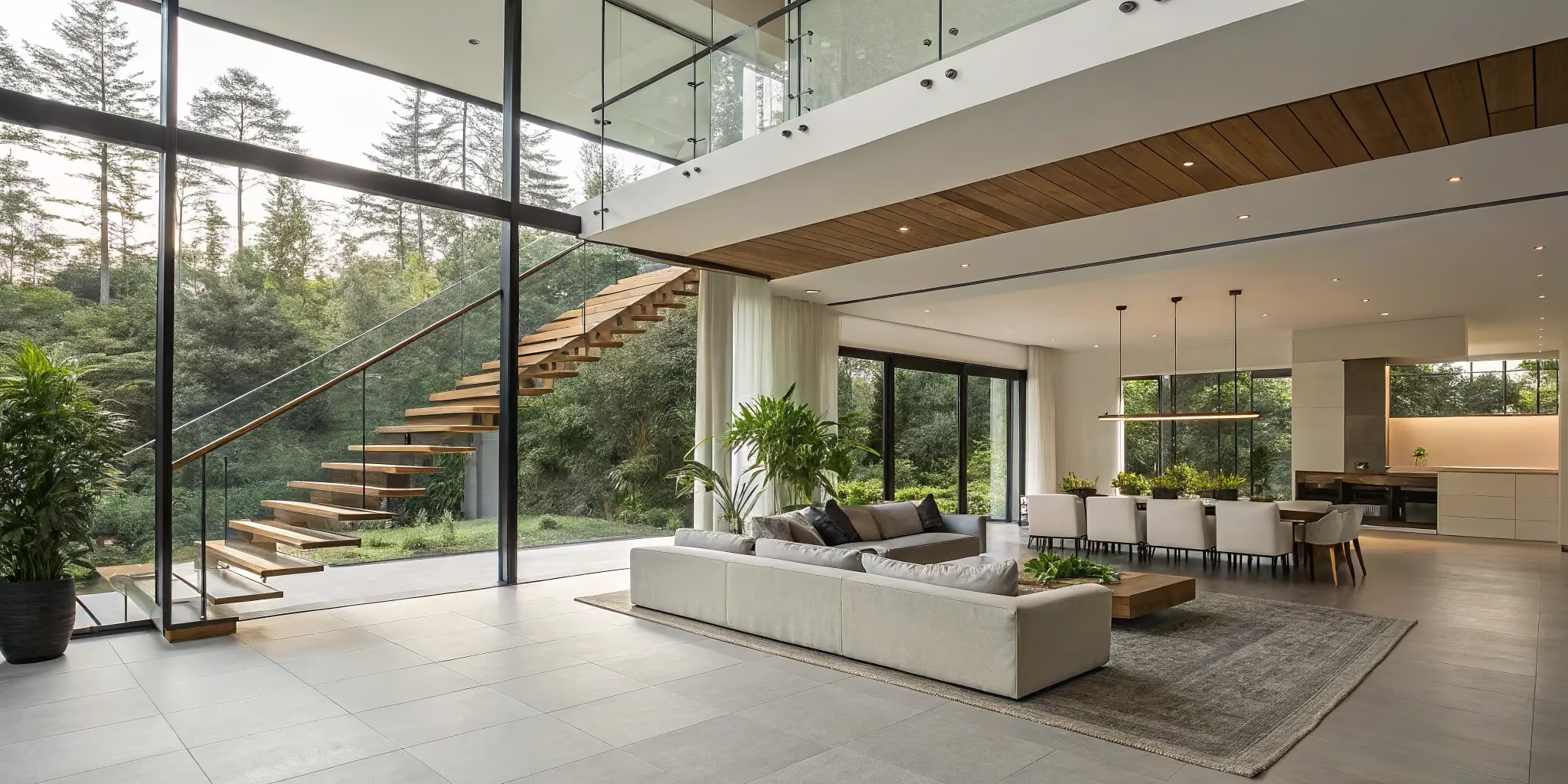
It’s one thing to read about clean lines and open-concept layouts, but it’s another to see them come to life. Visual inspiration is often the key to discovering what you truly want for your own home. Modern design is incredibly versatile, able to feel sleek and industrial one moment, and warm and organic the next. Understanding this range is the first step toward defining your personal style. To help you find what resonates, we’ve gathered a collection of beautiful modern interior architecture examples that showcase how these principles translate into stunning living spaces, kitchens, bedrooms, and more.
Key Takeaways
- Let Function Guide Your Form: The core of modern design is that every choice should be practical. Start by considering how you'll use a space, and let that purpose dictate the layout, furniture, and flow to create a home that is effortlessly livable.
- Create Warmth with Contrast and Light: Modern doesn't mean cold. Achieve an inviting atmosphere by balancing industrial materials like concrete and steel with natural elements like wood and stone, and maximize natural light to make the space feel bright and airy.
- Curate Your Space with Intention: Adopt a "less is more" mindset by choosing fewer, higher-quality items that you love. Focus on smart, integrated storage to keep your home uncluttered, allowing the clean lines and beautiful materials of the design to take center stage.
What Is Modern Interior Architecture?
When you hear "modern architecture," you might picture stark, cold spaces. But it's so much more than that. At its heart, modern design is a philosophy that took shape in the early to mid-20th century, breaking away from the ornate and cluttered styles of the past. It champions simplicity, functionality, and a deep connection to natural materials. The goal isn't to feel empty, but to feel intentional. Every element, from the layout of a room to the finish on a cabinet, has a purpose.
This approach results in homes that are not only beautiful but also incredibly livable. Think of spaces that feel open, airy, and effortlessly organized. It’s about creating a clean backdrop for your life, where the architecture itself enhances your daily routines. By stripping away the non-essential, modern design allows the quality of the materials and the thoughtful layout to shine. Our design-build team often finds that clients are drawn to modern interiors for this very reason—they offer a sense of calm and order in a busy world. It’s a timeless style that continues to feel fresh because its core principles are so clear and effective.
Its Defining Features: Clean Lines and Geometric Shapes
The most recognizable feature of modern design is its emphasis on clean, crisp lines. You’ll see strong horizontal and vertical lines in everything from window frames and staircases to furniture and shelving. This creates a sense of structure and visual harmony. Instead of intricate carvings or fussy details, the focus is on simple, unadorned forms.
This "less is more" approach extends to the shapes used throughout the space. Furniture and decor often feature basic geometric forms like squares, circles, and rectangles. The beauty comes from the purity of the form itself, not from added decoration. This principle, where form serves function, ensures that every piece is not only stylish but also practical and useful for everyday living.
The Goal: Open Floor Plans and a Natural Flow
Modern architecture is famous for tearing down walls—literally. The goal is to create open, fluid spaces where living, dining, and kitchen areas flow into one another without interruption. This approach makes a home feel larger, brighter, and more connected. It’s perfect for the way we live today, allowing for easy entertaining and family interaction.
To enhance this sense of openness, modern homes often feature large, unadorned windows. These expanses of glass do more than just flood the rooms with natural light; they also create a strong visual connection to the outdoors. By blurring the lines between inside and out, the home feels integrated with its surroundings. You can see how we achieve this in our portfolio of residential projects.
The Core Materials: Glass, Steel, and Concrete
The modern style celebrates materials for what they are. Instead of covering them up, it puts them on full display. You’ll often see industrial materials like steel, glass, and concrete used prominently. A polished concrete floor, an exposed steel beam, or a glass partition wall are all hallmarks of this style. These materials are chosen for their structural integrity and their clean, honest aesthetic.
Alongside these industrial elements, natural materials provide warmth and texture. Wood, stone, and leather are used to soften the look and create a balanced, inviting atmosphere. Think of a warm walnut cabinet against a cool concrete wall or a sleek chrome chair with a leather seat. The interplay between these different materials is what gives modern interiors their unique character and depth.
The Color Palette: Neutrals Paired with Bold Accents
The color scheme in modern design is typically grounded in neutrals. Walls are often painted in shades of white, beige, gray, or black. This creates a calm, serene backdrop that allows the architectural details and the natural materials to take center stage. A neutral palette also helps make a space feel more open and expansive, reflecting light and enhancing the sense of airiness.
But neutral doesn't have to mean boring. To add energy and personality, modern interiors often use bold, saturated colors as accents. You might see a pop of primary red, yellow, or blue in a piece of furniture, a work of art, or a single feature wall. This strategic use of color adds visual interest without overwhelming the clean, minimalist aesthetic of the space.
How Is Modern Architecture Different from Other Styles?
You might hear the word "modern" used to describe anything that looks new or current, but in the world of design, it refers to a very specific style. Understanding what makes modern architecture unique can help you clarify your vision for your own space. It’s not just about aesthetics; it’s a philosophy of living that prioritizes simplicity, functionality, and a connection to the natural world. When you can distinguish modern design from other popular styles, you’re better equipped to talk with your architect and design team about what you truly want for your home or commercial project. This clarity is crucial whether you're planning a major remodel or building from the ground up. Getting the vocabulary right helps ensure that the final result truly reflects your personal taste and lifestyle needs. Modernism isn't about being cold or sterile; it's about creating intentional spaces that feel open, calm, and connected. It's a design language that speaks through clean lines, natural materials, and an abundance of light. By stripping away unnecessary clutter and ornamentation, modern design allows the beauty of the structure and its surroundings to take center stage. Before you start pinning images or making decisions, it's helpful to know the key differences. Let's break down how modern architecture stands apart from traditional and contemporary designs, so you can feel confident in the direction you want to take.
Modern vs. Traditional Design
Think of traditional design, and images of ornate details, rich materials, and distinct, separate rooms probably come to mind. It’s a style rooted in history, often featuring decorative trim, intricate patterns, and heavy, classic furniture. Modern architecture is the complete opposite. It strips away the ornamentation to focus on the structure itself. The guiding principle is "form serves function," meaning every element should have a purpose. Instead of hiding structural components, modern design often celebrates them. This approach creates spaces that feel simple yet elegant, where the focus is on clean lines, open layouts, and a clutter-free environment. You can see these principles in action throughout our portfolio of residential and commercial projects.
Modern vs. Contemporary: Spotting the Differences
This is where things can get a little confusing, as the two terms are often used interchangeably. The easiest way to tell them apart is to think about time. Modern design refers to a specific historical period—roughly from the early 1920s to the mid-1950s. Its rules are set in stone. Contemporary design, on the other hand, is all about the now. It’s a fluid, ever-changing style that reflects the trends of today. While contemporary design often borrows elements from modernism, like clean lines and open spaces, it also incorporates newer ideas and materials. What’s contemporary today will look different in a decade, but the modern style will always be defined by its mid-century roots.
A Quick Look at Its Origins
Modern architecture didn’t just appear out of nowhere; it was a direct response to a changing world. Emerging in the early 20th century, it was a rebellion against the decorative and elaborate styles of the past. Influenced by the Industrial Revolution and new building technologies, architects began to favor simplicity and function. Movements like the German Bauhaus school championed the idea that art and design should be useful and accessible to everyone. This historical context is key to understanding why modern design looks the way it does. It’s a style born from a desire for a more honest, streamlined, and functional way of living, a principle that still guides our approach to licensed architectural design today.
See Modern Interior Design in Action
Theory is great, but seeing how modern design principles come to life is where the real inspiration happens. This style is incredibly versatile, creating spaces that feel both expansive and intimate, sleek yet warm. From sprawling open-concept living areas to calm, private retreats, modern interior architecture is all about creating a home that is as functional as it is beautiful. Let's look at how these ideas translate into the rooms you live and work in every day.
Inspiring Open-Concept Living Spaces
The heart of many modern homes is an open-concept living space that feels bright and connected. This design approach gets rid of unnecessary walls to create a natural flow between the kitchen, dining, and living areas. Drawing inspiration from midcentury modern style, the focus is on clean lines and functional furniture where, as the saying goes, "form serves function." Think warm woods, simple silhouettes, and uncluttered surfaces. The goal isn't emptiness, but intentionality—every piece has a purpose. This "less is more" philosophy allows the architecture itself to shine, creating a backdrop for life that is both practical and visually stunning. You can see how we apply these ideas in our portfolio of home remodels.
Sleek, Minimalist Kitchens and Dining Rooms
Modern kitchens and dining rooms are masters of simple elegance. These spaces are designed to be highly useful without feeling cluttered, using straight, clean lines and very little ornamentation. Large windows and thoughtful lighting are key, as natural light is used to make the room feel open and airy. Cabinetry is often flat-paneled, hardware is minimal, and countertops are clear, creating a sleek, unified look. This isn't about stark minimalism; it's about creating a calm, organized environment where you can cook, gather, and entertain with ease. The beauty lies in the quality of the materials and the precision of the layout, proving that simplicity can be incredibly sophisticated.
Serene Bedrooms and Modern Bathrooms
Your bedroom and bathroom should be your personal sanctuaries, and modern design is perfect for creating that sense of calm. This is where you can soften the clean lines with texture and natural elements. Bringing nature indoors is a popular way to do this, whether through a few well-placed plants or large windows with views of the outdoors. The color palette often shifts to soft, muted tones like sea blues and gentle greens to create a peaceful atmosphere. In the bathroom, this translates to spa-like spaces with clean layouts, natural stone, and uncluttered vanities. It’s about designing a private retreat that helps you recharge away from the stresses of daily life.
Modern Touches in Commercial Spaces
Modern design principles are just as powerful in commercial settings as they are in homes. For businesses in Los Angeles, a modern interior can create an environment that is efficient, inspiring, and reflective of a forward-thinking brand. Think open-plan offices that encourage collaboration, restaurants with clean lines that put the focus on the food and company, or retail spaces with minimalist displays that highlight the products. The emphasis on natural light, functional layouts, and high-quality materials helps create a welcoming and professional atmosphere for both employees and clients. You can explore a range of inspiring commercial interior designs that show how versatile this style can be.
What Materials and Finishes Create a Modern Look?
Modern design is often misunderstood as cold or stark, but it’s really about celebrating simplicity and the inherent beauty of materials. The right combination of finishes can create a space that feels warm, inviting, and deeply personal. It’s all about a thoughtful balance of raw, natural, and refined elements. By focusing on texture and honest materials, you can achieve a look that’s both sophisticated and comfortable, proving that modernism has a soft side.
Using Industrial Materials in Your Home
Industrial materials are a cornerstone of modern architecture, but they don't have to feel cold. Think of polished concrete floors, exposed steel beams, or a feature wall of raw brick. These elements add an honest, structural character to a room. Materials like slate-gray stone or rich, brownish-red brick bring an inherent warmth and texture, highlighting the beauty of the raw material itself. When you strategically juxtapose these harder materials with glass or wood, you create compelling focal points and a dynamic feel. Our portfolio showcases how we balance these elements to build spaces that are both striking and livable.
Incorporating Natural Wood, Stone, and Metal
To balance the industrial edge, modern design heavily incorporates natural materials. Warm woods, textured stone, and even leather bring organic softness and visual interest into a space, preventing it from feeling sterile. The goal is to let the material's natural texture and pattern shine, whether it's the grain of a white oak cabinet, the veining in a marble countertop, or the rugged face of a stone fireplace. These elements connect the interior to the natural world and add a layer of warmth and sophistication. Choosing the right mix is a key part of the design-build process, ensuring every finish works in harmony.
Making Sustainable and Eco-Friendly Choices
Modern design is forward-thinking, and that includes a focus on sustainability. Making eco-friendly choices isn't just about responsibility; it also enhances the aesthetic. Materials like reclaimed wood, bamboo flooring, recycled glass countertops, and low-VOC paints are all beautiful options that align with a modern ethos. These sustainable choices often contribute to better energy efficiency and a healthier indoor environment. By thoughtfully selecting materials, you can create a home that is not only beautiful and functional but also kind to the planet. You can find more ideas and information in our downloadable resources.
How to Play with Texture and Contrast
The secret to a compelling modern interior lies in the interplay of texture and contrast. A space can fall flat if every surface is slick and smooth. By layering different textures, you create visual depth and a more inviting atmosphere. Imagine a smooth, polished concrete floor paired with a plush, high-pile rug, or sleek metal kitchen cabinets softened by a rough-hewn wooden dining table. This contrast is what makes a room interesting. Mixing materials—like placing a soft linen sofa against an exposed brick wall—adds character and keeps the minimalist aesthetic from feeling one-dimensional. It’s a simple but powerful technique for creating a rich, layered look.
How to Master Light and Space in Modern Design
Modern design is all about how a space feels, and nothing shapes that feeling more than light and space. It’s not just about making rooms look bigger; it’s about creating an environment that feels open, calm, and connected. By thoughtfully managing natural light, choosing the right fixtures, and designing for flexibility, you can create a home that flows effortlessly. It’s about making every square foot work for you while creating a strong connection between your indoor and outdoor living areas—a hallmark of Los Angeles living.
Maximize Natural Light in Your Home
One of the best ways to make a home feel open and airy is to let the sun in. Modern architecture leans heavily on natural light to create bright, welcoming interiors. Think large, strategically placed windows, expansive glass doors, and skylights that wash rooms in daylight. An open floor plan is another key element, as it allows light to travel freely from one area to another. This approach reduces the need for artificial lighting and makes spaces feel larger and more connected to the outdoors. You can see how we use light to transform spaces in our project portfolio.
Use Light Fixtures as Design Elements
When the sun goes down, your light fixtures take center stage. In modern design, lighting is more than just a utility—it’s a core part of the aesthetic. Instead of hiding fixtures, we celebrate them. A sculptural pendant over a dining table or a dramatic, curvy floor lamp in the living room can act as a piece of art, adding personality and a focal point. The key is to think in layers: ambient lighting for overall brightness, task lighting for specific activities, and accent lighting to highlight architectural features. This layered approach creates depth, mood, and visual interest.
Create Flexible, Multi-Functional Rooms
Our homes have to wear many hats these days—office, gym, and relaxation space. Modern design embraces this need for versatility by creating flexible, multi-functional rooms. This can be achieved through clever built-ins, like a home office that tucks away behind stylish cabinet doors, or with furniture that serves multiple purposes. Movable partitions can also help define zones without permanently closing off a space. The goal is to create a home that adapts to your changing needs, ensuring every room is as functional as it is beautiful. Our integrated design-build process allows us to create these kinds of custom solutions.
Blur the Lines Between Indoors and Out
Creating a seamless transition between your home and the outdoors is essential to modern California living. This is about more than just adding a few houseplants; it’s an architectural approach. We achieve this with features like floor-to-ceiling glass doors that slide away to connect a living room with a patio, or by using continuous flooring materials that run from the inside out. Bringing natural elements like wood and stone indoors also helps strengthen this connection. This design strategy not only expands your usable living space but also fosters a greater sense of tranquility and connection with nature.
What's Trending in Modern Interior Architecture?
Modern design is always evolving, but the latest trends feel especially personal. It’s no longer just about achieving a certain look; it’s about creating a home that actively supports your lifestyle and well-being. The focus has shifted toward spaces that are not only clean and beautiful but also comfortable, highly functional, and deeply connected to the world around us. This means we’re seeing a greater emphasis on bringing natural elements inside, seamlessly weaving technology into our daily routines, and designing rooms that can adapt to our ever-changing needs.
These trends are a direct response to how we live now. We’re looking for more from our homes—more comfort, more flexibility, and more peace. From incorporating organic curves that soften a room’s edges to building in smart home features that simplify life, today’s modern architecture is all about thoughtful, intentional design. You can see how these principles come to life in our project portfolio, where function and beauty work together to create truly livable spaces. It’s an exciting time in design, where the ultimate goal is a home that feels as good as it looks.
Bringing Nature Indoors with Biophilic Design
One of the most impactful trends is biophilic design, which is really just a technical term for connecting your home with the natural world. It’s about more than just adding a few houseplants. True biophilic design integrates nature into the very structure of your home. Think large windows and glass doors that frame outdoor views, skylights that flood rooms with natural light, and the use of materials like wood and stone to add warmth and texture. The goal is to create a calming, restorative environment that blurs the line between inside and out, which has been shown to reduce stress and improve our overall sense of well-being.
Seamlessly Integrating Smart Home Technology
Smart home technology has moved beyond clunky gadgets to become a sophisticated and seamless part of modern interior architecture. The best designs integrate this technology so well you barely notice it’s there. We’re talking about automated lighting that adjusts to the time of day, climate control you can manage from your phone, and whole-home audio systems with hidden speakers. When planned from the beginning of a project, these features can be hardwired directly into your home, eliminating visual clutter and making your daily routines feel effortless. This thoughtful integration is a key part of our design-build process, ensuring your home is as smart as it is stylish.
Softening the Look with Curved Furniture
While modern design is known for its clean, straight lines, a major trend right now is the introduction of curves and rounded shapes. This can be seen in furniture with soft edges, like arched headboards or circular coffee tables, but it’s also making its way into the architecture itself. Arched doorways, curved walls, and rounded kitchen islands can make a space feel more gentle, organic, and inviting. These softer forms help break up the rigidity of a room, creating a natural flow and a sense of comfort. It’s a simple way to add a layer of visual interest and friendliness to a minimalist aesthetic.
Designing Adaptable, Flexible Living Spaces
Our homes now have to wear many hats—they’re our offices, gyms, and entertainment centers all in one. Because of this, there’s a growing demand for adaptable, multi-functional spaces. Modern architecture is responding with clever solutions like pocket doors that can close off an office nook, built-in cabinetry that hides a workspace, and open-concept floor plans that can be easily reconfigured for different activities. The focus is on creating rooms that can transition smoothly throughout the day. This kind of flexible design ensures your home can support every aspect of your life without feeling cluttered or chaotic.
Key Principles for a Successful Modern Interior
Modern interior architecture is more than just an aesthetic; it’s a design philosophy. To truly capture its essence, you need to understand the core principles that guide it. These aren't strict rules but rather a mindset that prioritizes clarity, purpose, and a seamless connection between your space and your lifestyle. When you embrace these ideas, you move beyond simply decorating a room and start intentionally crafting an environment that is both beautiful and incredibly functional.
Thinking this way helps you make smarter decisions about everything from your floor plan to your furniture choices. It’s about creating a home that feels calm, organized, and perfectly suited to you. By focusing on these foundational principles, you can ensure your space feels cohesive and timeless. At Letter Four, our design-build process is built around these concepts, ensuring every element works together to create a home that is as practical as it is inspiring. Let’s look at the three key ideas that will help you achieve a successful modern interior.
Why Form Always Follows Function
This is the guiding mantra of modern design. It simply means that the purpose of an object or space should be the starting point for its design. Before you consider how something looks, you should think about what it needs to do. A stunning sofa that’s too uncomfortable to sit on, or a kitchen layout that looks sleek but makes cooking difficult, goes against this core idea. Every piece of furniture, every architectural detail, and every layout choice should serve a clear purpose.
This principle is what gives modern interiors their signature uncluttered and intentional feel. When every item has a job, there’s no room for excess. This creates a home that not only looks clean and organized but also actively supports your daily routines, making life a little easier and more enjoyable. You can see this principle in action throughout our portfolio of work.
The "Less Is More" Approach to Decor
Modern design champions a minimalist approach, but don't mistake that for cold or empty. "Less is more" is about curation—choosing fewer, better things. Instead of filling a room with lots of small decorative items, the focus is on high-quality pieces, interesting materials, and a few carefully selected accents that make a statement. Think clean lines, warm woods, and rich textures from fabrics like wool or linen.
This approach allows each element in the room to stand out and be appreciated. It also creates a sense of spaciousness and calm, letting the architecture itself become a key feature. By paring back to the essentials, you give your home room to breathe. This intentional simplicity is a cornerstone of our Clear 4-Step Process, where we help you define what’s truly important for your space.
Using Vertical Space and Smart Storage
A clean, uncluttered look is central to modern design, but we all have things we need to store. The solution lies in clever, integrated storage that maximizes space without adding visual noise. Modern interiors often feature built-in cabinetry that blends seamlessly with the walls, multi-functional furniture that hides clutter, and smart designs that make the most of vertical space. Think floor-to-ceiling shelving or a stylish home office that can be neatly folded away when not in use.
The goal is to create a place for everything, so everything can be in its place. This keeps surfaces clear and maintains those clean lines that are so essential to the modern aesthetic. Our licensed architectural design team excels at finding these innovative ways to build organization directly into the structure of your home, ensuring your space remains both functional and serene.
How to Bring Modern Design Into Your Home
Adopting a modern aesthetic doesn't always require a complete overhaul. Whether you're looking for a few simple swaps or planning a major renovation, you can introduce the clean, functional principles of modern design into your space. The key is to start with a clear vision and focus on changes that will have the most impact on your daily life.
Think about how you use your home. Where do you spend the most time? What areas feel cluttered or dated? Answering these questions will help you prioritize your efforts and create a home that is not only beautiful but also perfectly suited to your lifestyle. From small decorative updates to a full-scale remodel, every step can bring you closer to a cohesive, modern interior.
Start with Simple, Budget-Friendly Updates
If you're not ready for a major project, you can still make a significant impact with a few strategic changes. Start by decluttering to create the open, airy feeling that is central to modern design. From there, focus on small details that pack a big punch. Swapping out old light fixtures for something more sculptural and geometric can instantly change the mood of a room.
Consider updating cabinet hardware, faucets, or door handles to sleek, minimalist designs in matte black or brushed metal. You can also introduce a new accent piece, like a modern armchair with clean lines or a bold, abstract piece of art. Even simple changes like replacing heavy drapes with sheer curtains to let in more natural light can make your space feel more modern. For more ideas, browse a design portfolio to see how small elements contribute to a larger vision.
What to Plan for in a Modern Remodel
When you’re ready for a bigger transformation, planning is everything. A modern remodel focuses on the principle of "less is more," creating spaces that are both useful and visually clean. This often involves creating open floor plans by removing non-structural walls to improve flow and light. In the kitchen, you might opt for flat-panel cabinetry, integrated appliances, and a statement island that serves as a functional centerpiece.
Think about how each element serves a purpose. Furniture should be chosen for its function and form, with an emphasis on simple, straight lines and quality materials. While the overall color palette is typically neutral, you can add personality with bold colors or interesting textures in upholstery, throw pillows, or area rugs. The goal is to create a space that feels intentional, uncluttered, and elegantly simple.
Partnering with a Design-Build Professional
Bringing a modern design vision to life, especially during a remodel, is much easier with an expert team. A design-build firm can help you refine your ideas and handle all the technical details, ensuring the final result is exactly what you imagined. Working with an integrated team of architects, designers, and contractors means everyone is on the same page from the very beginning.
This collaborative approach streamlines the entire project. Your team can help you make smart material choices, optimize your floor plan for better flow, and manage the construction process efficiently. At Letter Four, we guide clients through our Clear 4-Step Process, which provides transparency and clarity from the initial concept to the final walkthrough. A professional partnership ensures your modern remodel is a smooth, rewarding experience.
Related Articles
- Midcentury Modern
- Malibu Modern
- Melrose Modern Scandinavian
- Madison Ave Modern
- San Ysidro Mid-Century Modern
Frequently Asked Questions
Will a modern design make my home feel cold or uninviting? That’s a common concern, but a well-executed modern interior is anything but cold. The key is balancing the clean lines and industrial materials with warmth and texture. Think of how a rich walnut cabinet can soften a concrete wall, or how a plush wool rug can add comfort to a sleek living room. Modern design is all about this intentional interplay of materials, using natural elements like wood, stone, and soft textiles to create a space that feels both sophisticated and deeply comfortable.
Is modern design the same as minimalist design? While they share some common ground, they aren't the same thing. Modern design is a specific style from the mid-20th century with a core belief that form should serve a function. Minimalism is a broader philosophy that can be applied to many styles and is purely focused on stripping things down to their bare essentials. A modern home is curated and uncluttered, but it’s not about emptiness. It’s about ensuring every single item has a purpose and a place, creating an intentional and organized environment.
Can I incorporate modern elements without redoing my entire house? Absolutely. You don’t have to commit to a full remodel to enjoy the benefits of modern design. A great place to start is by decluttering and focusing on a few high-impact swaps. Consider replacing an ornate light fixture with a sculptural, geometric one, or updating your cabinet hardware to something with a cleaner, simpler profile. Even a single piece of furniture with strong, simple lines can begin to shift the feeling of a room and create a more intentional focal point.
Is modern architecture a good choice for a family home? It’s an excellent choice for families. The principles of modern design are incredibly practical for daily life. Open floor plans allow you to keep an eye on the kids while you’re cooking and create a great sense of togetherness. The emphasis on smart, integrated storage is perfect for managing the clutter that comes with family life. Plus, the use of durable, honest materials often means surfaces are easy to clean and maintain, which is a win for any busy household.
What's the most important thing to focus on when starting a modern design project? Before you think about colors or furniture, think about function. The most successful modern spaces are designed around the people who live in them. Ask yourself how you need each room to work for your daily routines. By starting with your lifestyle and needs, you ensure that every design choice has a clear purpose. This "function first" approach is the foundation of modern design and is what ultimately creates a home that is not only beautiful but also a joy to live in.

.svg)

















.avif)