

.avif)
Losing a home in a wildfire is not just a construction problem; it is a life problem. If you are dealing with damage from the Eaton Fire in Altadena or the Palisades Fire in Pacific Palisades, even opening one more official document can feel like too much. Sorting through rules about what permits you need to rebuild can feel overwhelming.
Understanding permits is still one of the first solid steps towards rebuilding after the fires. Clear information can reduce uncertainty, help you make decisions about timing and cost, and support the long process of returning to a stable home. The team at Letter Four focuses on fire-rebuild projects and guides clients through entitlements and permitting approvals with the same care we bring to the designs and drawings themselves.
What Has to Happen Before You Can Apply to Rebuild
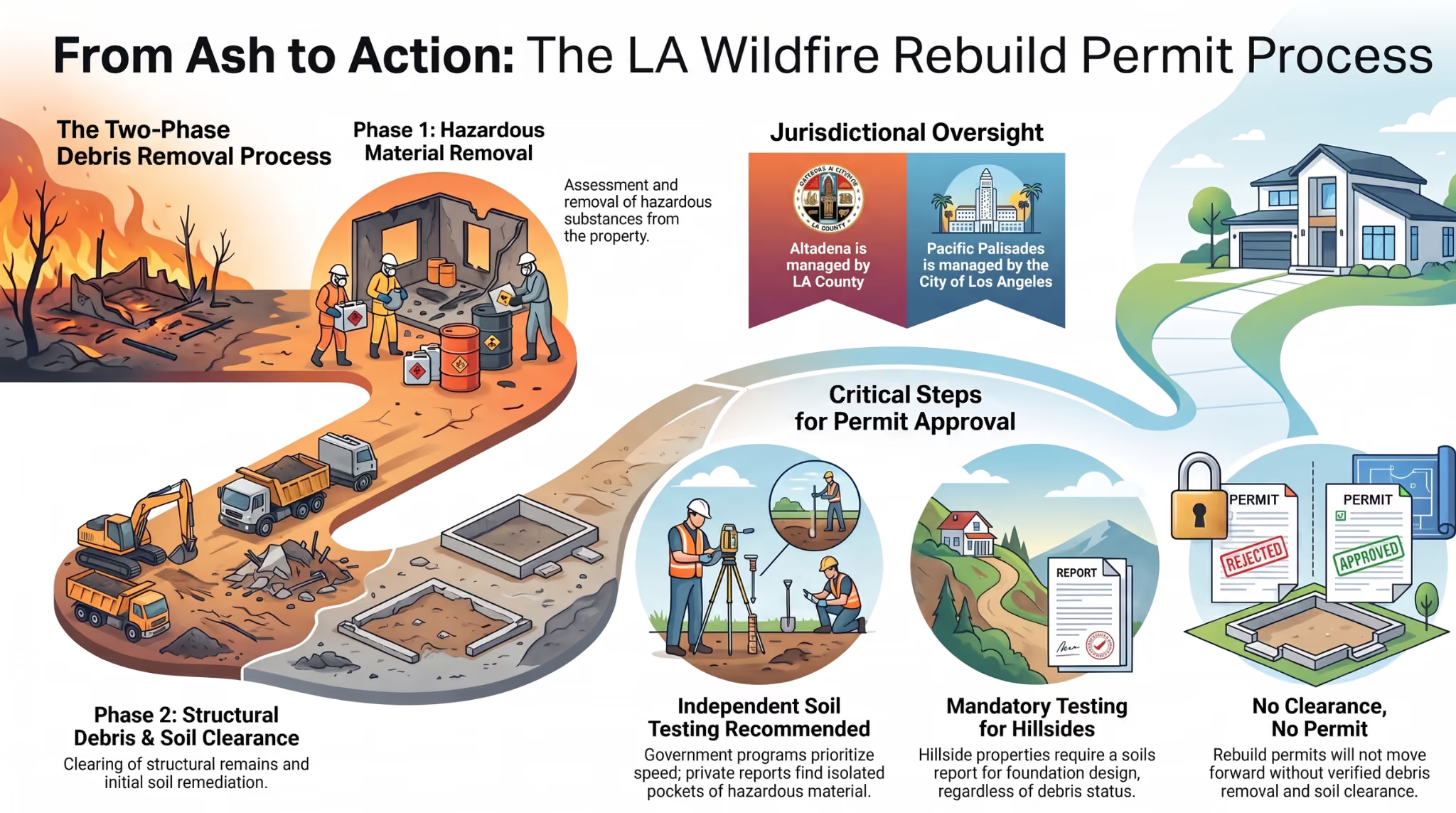
Before any agency will issue LA wildfire rebuild permits, your property has to be cleared through formal debris removal programs. While you’ve likely already completed both phases of the debris removal programs, let’s recap.
There are typically two phases:
- Phase 1: Hazardous materials assessment and removal
- Phase 2: Structural debris removal and soil clearance
After debris removal, Letter Four recommends independent soil testing on every rebuild site. Government debris programs were built for speed and scale, and hazardous material can still be present in isolated pockets after Phase 2 sign-off. A property-specific soils report gives you and your structural engineer a clearer picture before design decisions are locked in. If your lot is on a hillside, this step is not optional. Hillside properties require a soils report regardless of debris removal status, since foundation design depends on it.
There are some differences between Altadena and Pacific Palisades:
- Altadena is in unincorporated Los Angeles County, so the county oversees Eaton Fire debris removal and permitting
- Pacific Palisades is within the City of Los Angeles, so city agencies manage Palisades Fire processes
You can confirm debris removal status and requirements through official county or city recovery resources. Without full clearance, permits to rebuild in Altadena or Pacific Palisades after fire will not move forward.
What a Like-for-Like Rebuild Really Means
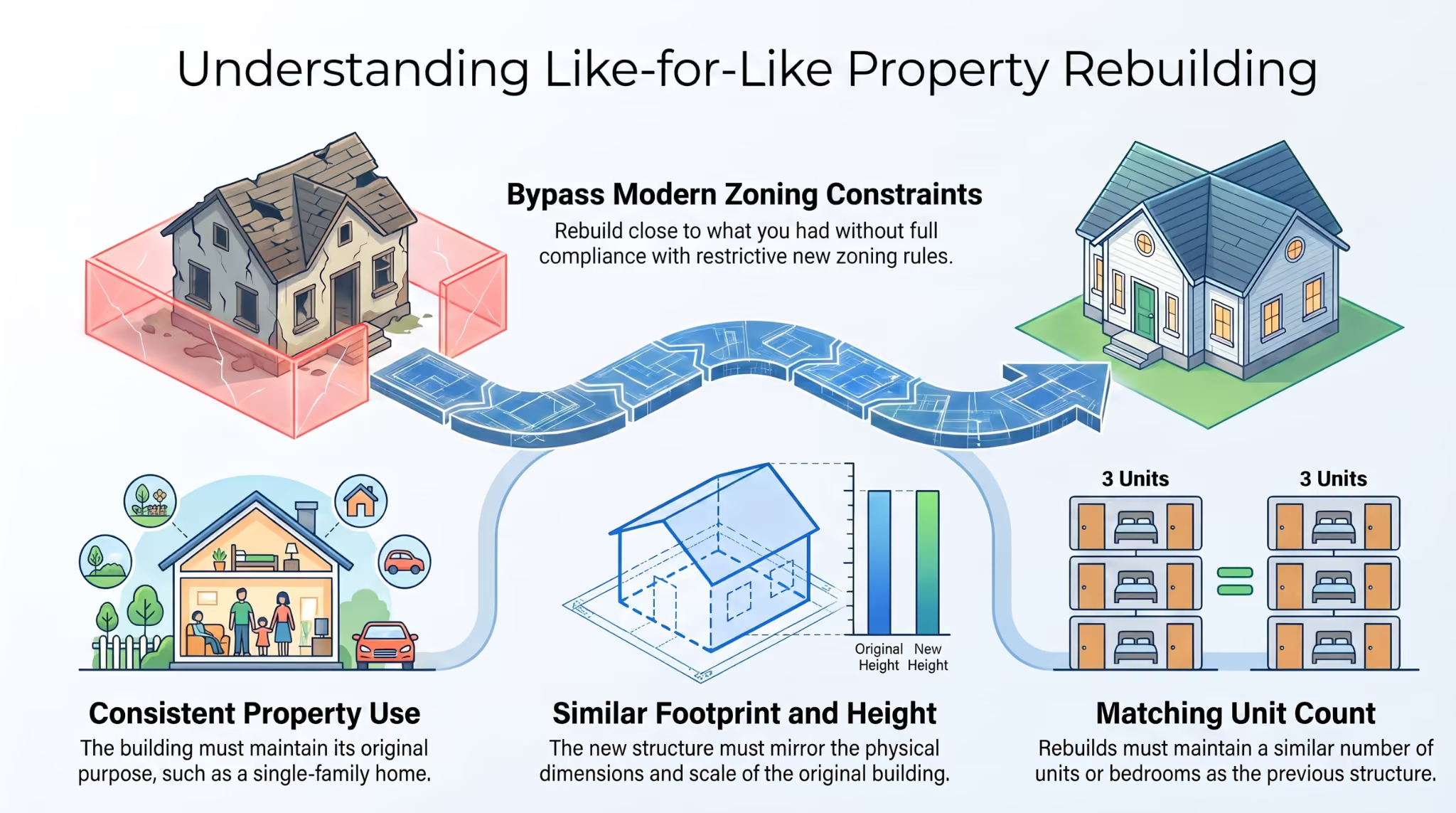
A like-for-like rebuild program is meant to help you rebuild close to what you had, without forcing full compliance with new zoning rules that might otherwise prevent it. In simple terms, it usually means:
- Same use, such as a single-family home rebuilt as a single-family home
- Similar footprint and height
- Similar number of units or bedrooms
You still have to meet current building, fire, energy, and health codes, but not every zoning standard, such as new setbacks or parking counts.
In the Eaton Fire area of Altadena, like-for-like provisions generally allow:
- An increase in footprint of up to 10 percent or 200 square feet, whichever is greater
- In the Palisades Fire area, within the City of Los Angeles, like-for-like typically allows: up to a 10 percent increase in building footprint
Staying within these limits can streamline plan review compared to a major expansion. Jurisdiction is key. Altadena addresses fall under Los Angeles County rules, while Pacific Palisades addresses fall under City of Los Angeles rules. That difference affects eligibility for like-for-like programs and the steps you will follow.
Permits You Need and How Long the Process Can Take
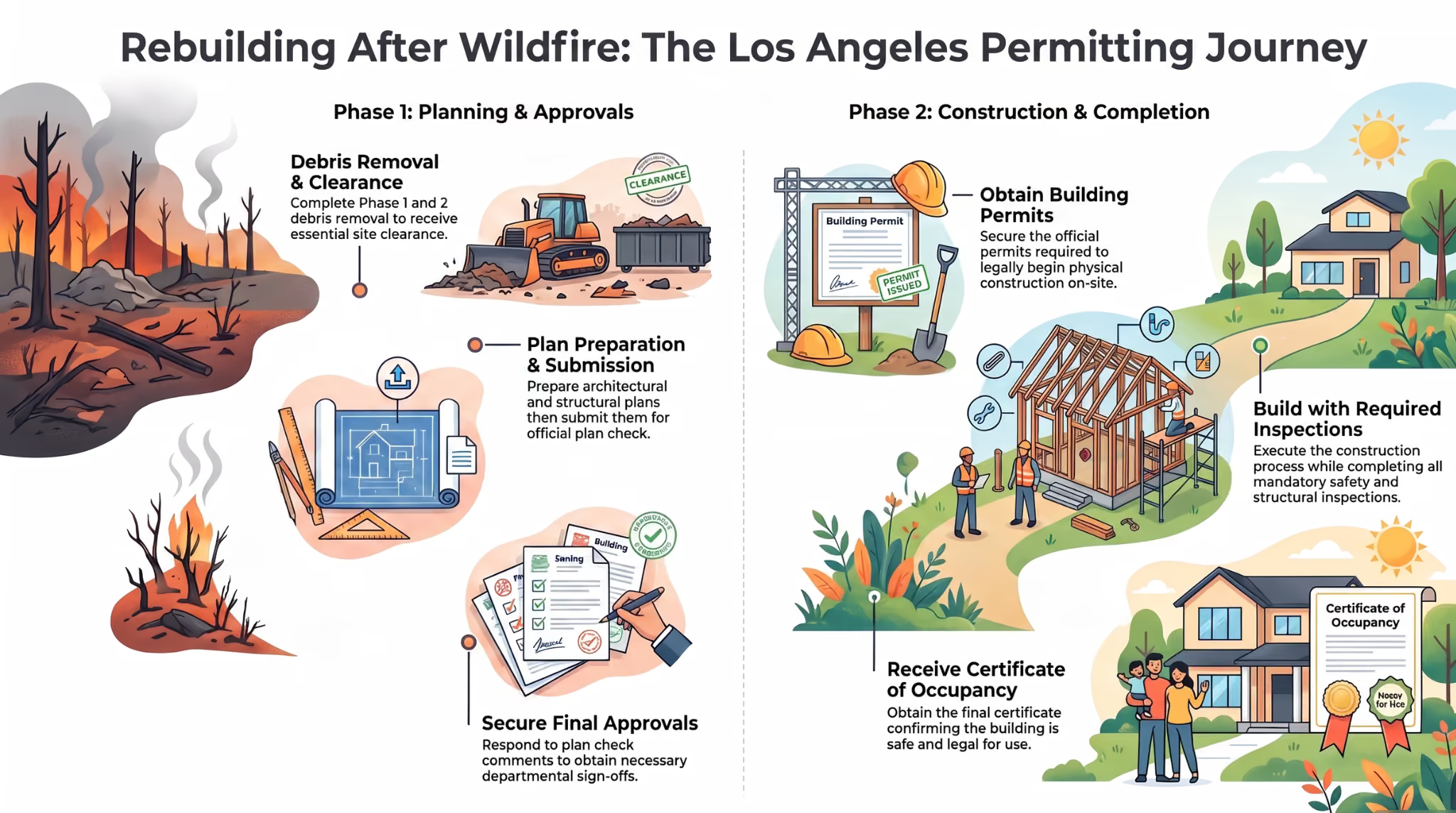
From a permit perspective, the full path to rebuild after wildfire in Los Angeles usually looks like this:
- Complete Phase 1 and Phase 2 debris removal and receive clearance
- Prepare architectural, structural, and related plans
- Submit plans for plan check
- Respond to plan check comments and secure final approvals
- Obtain building permits
- Build with required inspections
- Receive a certificate of occupancy
For an Altadena Fire rebuild in Los Angeles County, you will typically:
- Use the EPIC-LA online system to submit plans, track status, and communicate with reviewers
- Work with the One-Stop Permit Center, which helps coordinate between Planning, Building and Safety, Fire, and Public Works
- Potentially benefit from AI eCheck tools for certain plan types, which may help shorten review times for some Eaton Fire rebuild projects
For a Palisades Fire rebuild in the City of Los Angeles:
- Plans are submitted through the Los Angeles Department of Building and Safety (LADBS) . Stated targets include about 30 days for plan review and inspections within about 2 business days
- Certain permit fees are currently waived for owners who held title before a specific cutoff date, usually covering portions of building permit and plan check costs, with documentation required to prove ownership and fire impact
State-level actions have also waived some building code requirements in certain wildfire areas to help reduce rebuild costs, but local building and fire safety standards still apply. With many permits already issued or in review regionally, complete and coordinated plans are important to avoid unnecessary delays and repeat submittals.
How Fire-Resistant Codes Shape Your Rebuild
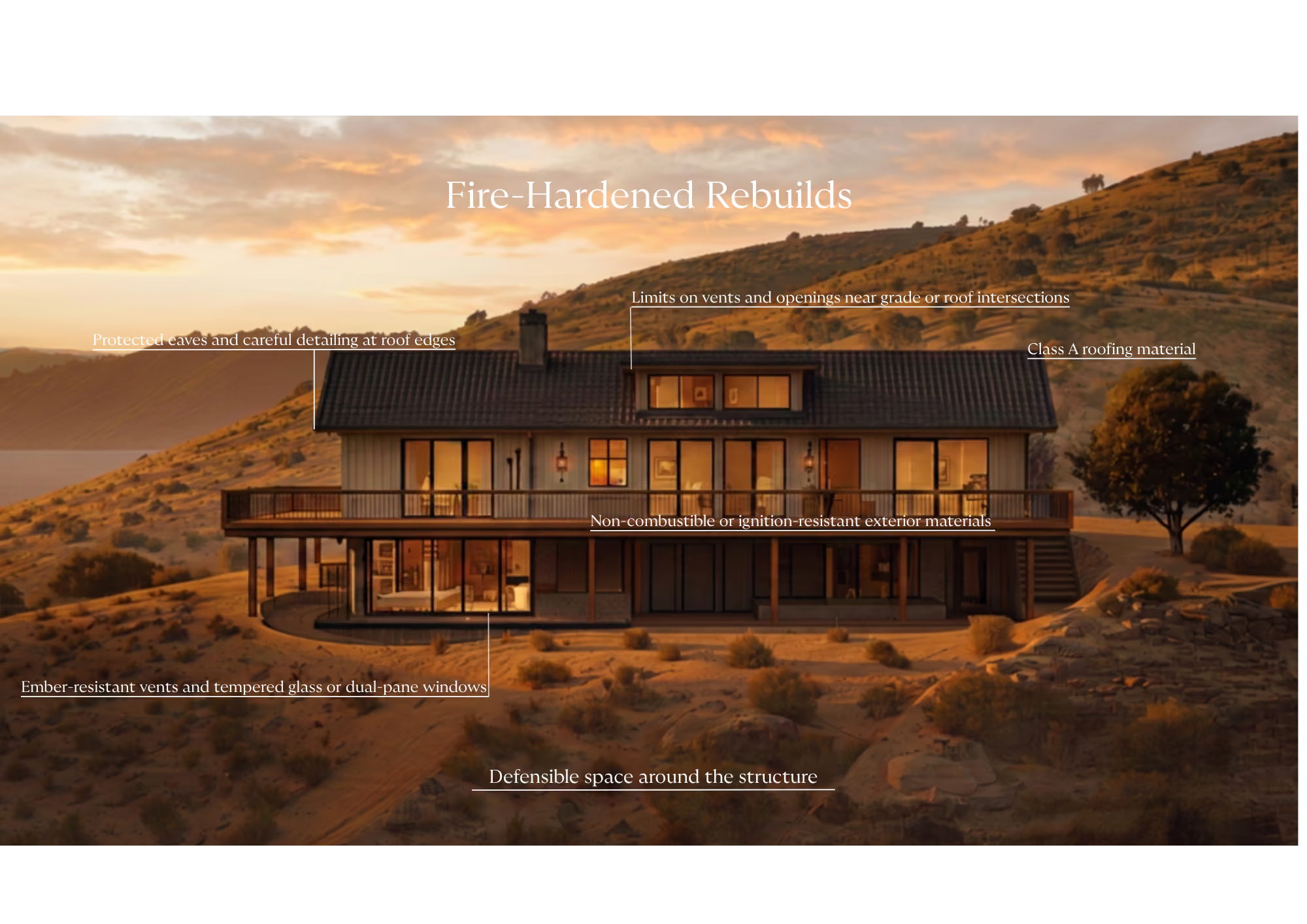
Many Altadena and Pacific Palisades properties sit within or near Wildland-Urban Interface (WUI) areas. That means stricter rules aimed at resisting future fires. These rules can affect both design and budget, and they exist to reduce risk to you and your community.
Many Altadena and Pacific Palisades properties sit within or near Wildland-Urban Interface (WUI) areas. That means stricter rules aimed at resisting future fires. These rules can affect both design and budget, and they exist to reduce risk to you and your community.
Common requirements include:
- Non-combustible or ignition-resistant exterior materials for siding, soffits, and decks
- Class A roofing materials
- Defensible space around the structure
- Limits on vents and openings near grade or roof intersections
- Ember-resistant vents and tempered glass or dual-pane windows
- Protected eaves and careful detailing at roof edges
Even under like-for-like programs, the rebuilt structure generally must meet current fire and life safety standards. Early code review with a licensed architect helps identify which parts of the Wildland-Urban Interface requirements apply to your particular parcel and allows thoughtful material choices before you submit for permits.
Where a Design-Build Team Fits Into the Permit Process

A design-build team brings together the licensed architect and general contractor under one roof so that permits, design, and construction are coordinated from the start. Typically the licensed architect handles site analysis, code research, and like-for-like eligibility, then prepares the architectural drawings and coordinates with structural and other consultants. They also respond to plan check comments. The licensed general contractor prepares bids, plans the build itself and hires licensed sub-contractors, coordinates inspections, and addresses field conditions that come up once work starts.
When those roles sit inside one firm, there are fewer handoff delays and less risk of inconsistent information being given to agencies. At Letter Four, Lauren Adams, CA Architecture License C30146, leads architectural and code compliance work, including Wildland-Urban Interface detailing and like-for-like strategy. Jeremy Baker, CA Contractor License B1028949, oversees construction, inspections, and on-site problem-solving.
We are also in the process of submitting two home designs to Los Angeles County’s pre-approved plans program. While these designs are not yet approved at this time, pre-approved plans in general can be an option for some wildfire rebuilds by shortening parts of the review process. Throughout the process, privacy and sensitivity remain central, and every Los Angeles fire-rebuild project is treated as a return to daily life, not just a set of plans.
FAQ: Common Questions About Fire Rebuild Permits in Los Angeles Do I Need Debris Removal Before Applying for a Rebuild Permit?
Phase 1 and Phase 2 debris removal, or approved private alternatives, must be completed and documented before rebuild permits are issued in both Altadena and Pacific Palisades. Phase 1 handles hazardous materials, while Phase 2 removes structural debris and confirms soil conditions. Some agencies may allow early planning or preliminary discussions while cleanup is ongoing, but the actual building permit cannot be issued until official clearance is recorded. Homeowners can confirm current status and specific requirements through Los Angeles County recovery resources for Altadena and Los Angeles Department of Building and Safety (LADBS) resources for Pacific Palisades.
What Is the Like-for-Like Rebuild Program, and Am I Eligible?
A like-for-like program allows you to rebuild close to what was there before, with the same basic use and similar size, while following current building and fire codes. In the Eaton Fire area, this usually includes the option to increase your footprint by up to 10 percent or 200 square feet, whichever is greater. In the Palisades Fire area, the allowed increase is typically up to 10 percent. Eligibility often depends on the prior legal use of the structure, how closely the new
design matches the original building, and whether the property is within the official wildfire recovery area. A licensed architect familiar with local wildfire rules can review your records and advise you early.
Are Permit Fees Waived for Wildfire Victims in Los Angeles?
In the Palisades Fire area, the City of Los Angeles currently waives certain permit-related fees for owners who held title before a defined cutoff date, which is intended to reduce some of the financial pressure of rebuilding. These waivers often apply to specific permit and plan check fees, not necessarily all costs associated with construction. Los Angeles County, which covers Altadena, has its own policies, which may not be identical. Because programs can change, it is important to review the most current information on official city or county sites and confirm which documents you will need to show ownership and fire-related damage before you finalize your rebuild budget.
How Long Does it Take to Get a Rebuild Permit in Altadena Vs. Pacific Palisades?
Timelines vary by project and by how complete your plans are. The City of Los Angeles has stated goals of plan reviews in about 30 days and inspections within about 2 business days, which can help Palisades Fire rebuild projects move faster once plans are ready. In Altadena, Los Angeles County uses the EPIC-LA system, and review times depend on how many applications are in the queue, how complex your project is, and whether tools like AI eCheck are available for your plan type. Across the region, local recovery officials report that permits for wildfire rebuilds are proceeding faster than in some past events, but it is still wise to allow extra time for corrections and agency workload.
Fire-Resistant Materials Required for Wildfire-Zone Rebuilds
Rebuilds in wildfire-prone areas commonly need Class A roofing, non-combustible or ignition-resistant exterior cladding, ember-resistant vents, and protected eaves. Windows are often required to be tempered glass or dual-pane units, and decks may need to be constructed from ignition-resistant or non-combustible materials. The exact mix of requirements depends on your specific fire zone designation and local amendments to state codes. Property owners should work with their design team to confirm which Wildland-Urban Interface provisions apply to their parcel and to select products that meet code while still aligning with their budget and overall priorities.
Can I Make My Rebuilt Home Bigger Than What Was There Before?
Within the like-for-like rules, there is usually some room for modest increases. In the Eaton Fire area of Altadena, programs allow an increase of up to 10 percent or 200 square feet, whichever is greater, while still using the streamlined path. In the Palisades Fire area, an increase of up to 10 percent is typically allowed. Larger expansions may be possible, but they often trigger full
zoning reviews, additional approvals, and longer timelines. When deciding how much to change,
It is important to balance any wish for more space with the need for a clear, efficient route back into a safe, completed home.
Get Started With Your Project Today
Rebuilding after a fire is not something you should have to figure out alone. Visit our fire rebuild page to see the construction methods we specialize in for rebuilds like yours. When you're ready to talk about your property, book a call. We're ready to listen.
Sources
• Los Angeles County Department of Public Works, Disaster Recovery and EPIC-LA resources • Los Angeles Department of Building and Safety (LADBS), Fire rebuild permitting and fee waiver information
.png)

.svg)

















.avif)