


As we approach the one-year mark since the devastating Eaton and Palisades fires, we're reflecting on what we've learned, what's changed, and how we can help you rebuild for the future.
What Has Changed for Fire-Displaced Families in Los Angeles One Year Later?
Let's be real: January 7, 2025 was one of the darkest days the city has ever faced. The Eaton and Palisades fires rapidly spread through neighborhoods with a fury and most of us were not prepared for it.
Nearly one year later, we're seeing two stories unfold. There's the one that we experience that tugs at your heart. Families still displaced, insurance battles that feel endless, and neighborhoods that no longer feel like home. Despite the hardships, there's also this incredible story of resilience, innovation, and communities refusing to give up. We've been in the trenches with families rebuilding, and honestly? The determination we're seeing is nothing short of inspiring.
Here's what we know for sure: we can't just rebuild what we had. The game has changed. Climate Resolve's "Think Big and Act Boldly" report created with Resilient Cities Catalyst analyzed 465 recommendations from 14 major recovery reports and the message is clear: Los Angeles County's future depends on building differently, thinking bigger, and acting with real urgency.
Where Does the Rebuild Stand in Altadena and Pacific Palisades Right Now?
The numbers tell a tough story. One year after the fires, only 10 homes have been rebuilt in all of the City and County of Los Angeles and none in Malibu, according to jurisdiction records and NBC News. Most families are bouncing between temporary housing situations, with about three-quarters anticipating yet another move in the coming months. That's exhausting, emotionally and financially.
And the money situation? It's crushing. Displacement coverage started running out for many families in Altadena by June 2025. We've heard clients spend their days fighting insurance companies for a fraction of what they lost. Others are taking small settlements from Southern California Edison who was at fault for the Altadena fire, rather than continuing to fight and pursue larger legal claims. It's maddening.
Beneath all these challenges, momentum is building. Rebuilding in Altadena and Pacific Palisades has started to accelerate. By mid-December 2025, LA County issued permits for 931 residences in Altadena, while the City of Los Angeles approved 604 for the Palisades. What really caught our attention: Altadena residents are filing applications at more than twice the rate of Palisades folks—52% versus 32% of destroyed homes. A closer examination of the numbers reveals a troubling pattern: developers are snapping up properties in Altadena while residents are being left behind, according to a report from Strategic Actions for a Just Economy.
What Does the "Think Big and Act Boldly" Report Recommend for LA Fire Recovery?
Climate Resolve's research offers a roadmap that actually makes sense. They analyzed hundreds of recommendations and landed on four priority areas that could genuinely accelerate recovery while making us all safer:
1. Recovery Authority Model: A centralized recovery authority would give everyone consistent guidance, speed up permitting, and make sure resources get distributed fairly. Learn more about LA County's current resources here.
2. Resilience Districts: Neighborhoods that work together to reduce fire risk can coordinate defensible space, infrastructure upgrades, and emergency prep. Insurance companies are paying attention, too, often giving 10-15% discounts for properties in certified Firewise communities.
3. Delta Fund: Here's the hard truth: insurance payouts often don't cover actual rebuilding costs. A fund would bridge that gap, especially for middle-income families who want to rebuild but can't make the numbers work. That's where the Resilient LA Delta Fund comes in - a collaboration between LA Resiliency Company and Insurance for Good that provides loans and grants to LA homeowners.
4. Communications Improvements: The notification failures during these fires were inexcusable. Too many people got zero warning before flames hit. We need redundant, reliable systems that work even when everything else fails.
Can Altadena Homeowners Use SB9 to Rebuild After the Fires?
Here's where things get really interesting for Altadena property owners. While Pacific Palisades residents are dealing with a complete ban on SB9 development in fire-affected areas Altadena folks still have full access to SB9's game-changing benefits.
SB9 lets you build up to four units on your single-family lot—through lot splits and ADUs. And this flexibility is huge for families rebuilding after the fires. Maybe you build a smaller primary residence alongside rental units that generate income to cover rebuilding costs. Or create a multigenerational setup where families share expenses and support each other through recovery. The options are there.
Beyond the financial piece, SB9 gives you strategic flexibility during reconstruction. Build a smaller place first to get back into the community, maintain your kids' school connections, and keep your job situation stable. Then plan your dream home for phase two. You're not trapped in temporary housing for years while construction happens.
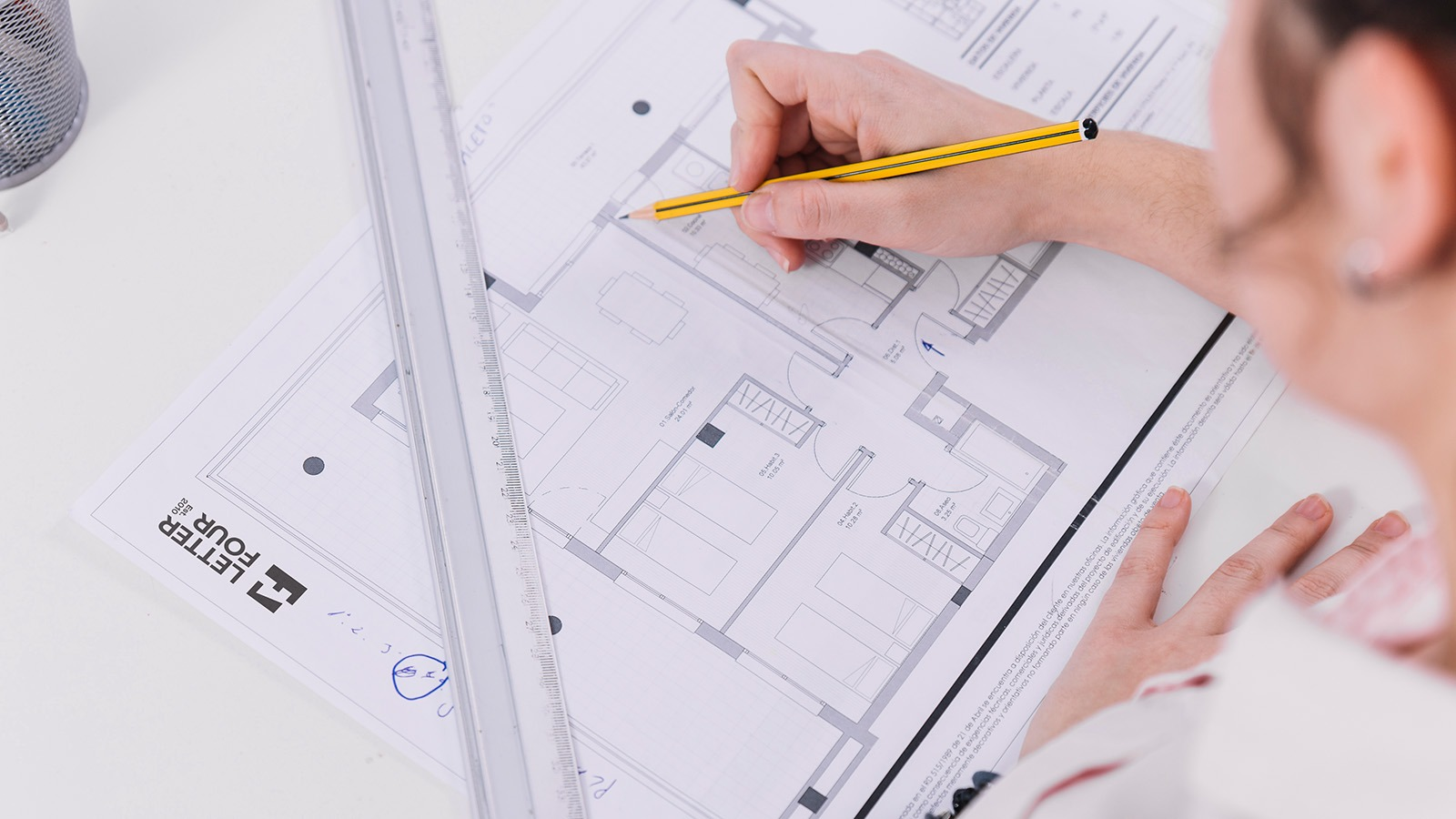
Our integrated design-build approach really shines with SB9 projects. When architecture, construction, interior design, and landscape architecture all work together from day one, you get multiple units that feel cohesive, not cobbled together. Your property value goes up, your quality of life stays high, and you've got options.
How Has Los Angeles Changed Its Permitting Process to Speed Up Fire Rebuilds?
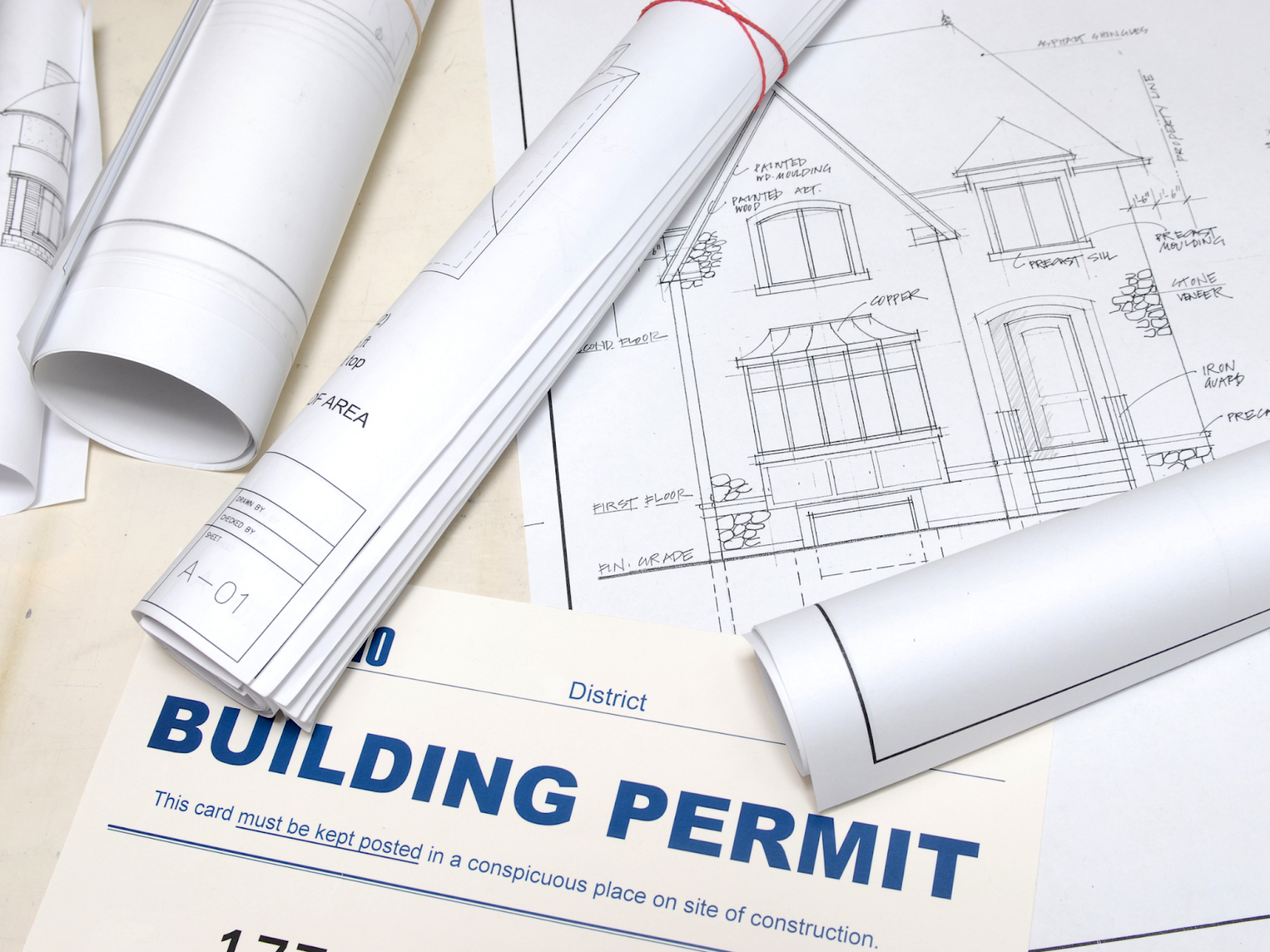
Mayor Karen Bass made some bold moves that are genuinely changing the game for fire-affected properties. The Self-Certification Pilot Program lets licensed professionals certify that plans meet code requirements, skipping the traditional plan check reviews that create months of delays.
Now, self-certification isn't a shortcut, it's a responsibility shift. The architect assumes full liability for code compliance, which means we need enhanced insurance and we're putting our licenses on the line. But for us? This is what we've always done anyway. We've never treated code compliance as a checkbox exercise. We're meticulous about this stuff because your safety and our reputation depend on it.
The city's also piloting AI tools for plan review. Before you roll your eyes just know that this actually helps. AI catches missing documents and flags potential code conflicts early, cutting down those endless revision cycles. Cities from Singapore to West Sacramento are proving this works without sacrificing safety standards.
How Has Los Angeles Changed Its Permitting Process to Speed Up Fire Rebuilds?
Ricardo Lara, California’s Insurance Commissioner’s one-year moratorium on insurance cancellations bought property owners time, but now they are facing a market that sees traditional wood-frame construction as too risky in fire zones.
Here's what that means practically: homes built with traditional wood-frame materials might struggle to get affordable coverage, or any coverage beyond California's FAIR Plan, which is expensive and limited. But homes with documented fire-resistant features? Insurers actually want to cover them at competitive rates because the risk is demonstrably lower.
We've designed our fire-resistant construction methodology to address every single vulnerability point insurers assess. Non-combustible exterior cladding. Fire-resistant roofing that exceeds Class A ratings. Windows designed to resist radiant heat and keep embers out. Minimal eaves where embers love to accumulate. Landscape architecture that works with the building, not against it.
And here's something we're genuinely excited about: we're partnering with an innovative building technology company to offer fully non-combustible, net-zero building envelopes. These systems eliminate fire risk entirely while providing exceptional energy performance. We're talking homes that are inherently fireproof and generate enough solar energy to completely eliminate utility bills.
The economics make sense beyond insurance savings. Properties for sale with clear fire resistance command 10-15% premiums in fire-prone areas, if not more. That means an increase in resale prices as buyers are prioritizing safety and long-term insurability.
Why Does Neighborhood-Level Fire Safety Matter When Rebuilding in Los Angeles?
Individual improvements are essential, but they're only part of the equation. Climate Resolve's research shows that communities implementing coordinated fire safety measures get the best results, both in actual risk reduction and insurance recognition.
Firewise USA programs offer a proven framework that works. These are neighbors working together on defensible space, vegetation management, emergency prep, and ongoing education. Communities with Firewise certification often get 10-15% insurance discounts, but the real benefit is knowing your neighborhood has your back when conditions get dangerous.
The rebuild phase is your chance to reimagine how neighborhoods work. Instead of just putting back what was there, communities can establish design standards that create graduated firebreaks, implement shared water storage for firefighting, and coordinate landscape management so fires can't just jump from house to house. This is your opportunity to build something genuinely better.
What Should Homeowners in Altadena and the Palisades Expect From the Rebuild Ahead?
As we hit the one-year mark, thousands of families are still in temporary housing, insurance fights continue, and questions about the future remain unanswered. But here's what we've learned: recovery is slow and messy, but it's absolutely possible with the right support, innovative thinking, and sheer determination.
The homes going up today can't just meet today's needs, they need to work for a climate that's going to keep throwing curveballs. Fire conditions will intensify. Droughts will last longer. Every design decision, every material choice, every construction detail needs to account for tomorrow's challenges, not yesterday's comfort zone.
But here's the thing: building for resilience doesn't mean sacrificing beauty, comfort, or the character that makes our neighborhoods special. Advanced building technologies now let us create fire-resistant construction that looks better than traditional building while performing way better. Net-zero energy systems wipe out utility bills while reducing environmental impact. We exceed requirements for energy efficiency and seismic structural standards. And through thoughtful design, we create defensible space that actually enhances your landscape's beauty, no concrete bunker aesthetic required
Moving forward requires all of us—builders, architects, insurance pros, policymakers, and communities—working together on real risk reduction strategies. Climate Resolve's "Think Big and Act Boldly" report gives us the strategic framework, but implementation comes down to individual choices. Property owners choose to build differently. Contractors committing to higher standards. Communities working together to reduce everyone's risk.
We're committed to leading this shift. Our work with fire-affected families has convinced us that the construction industry needs to fundamentally change how we approach building in fire-prone areas. We're pioneering methods that eliminate ignition risk at the source instead of relying on defensive strategies that fail when conditions get extreme.
What Resources Are Available for LA Wildfire Survivors Navigating the Rebuild Process?
If you're navigating the rebuild process, here are resources we recommend (and actually use ourselves):
- Climate Resolve's "Think Big and Act Boldly" Report: Comprehensive analysis that cuts through the noise.
- California Department of Insurance "Safer from Wildfires" Program: Real guidelines for reducing insurance costs through smart property improvements.
- Insurance Institute for Business & Home Safety (IBHS): Wildfire-ready construction standards that major insurance carriers recognize.
- National Fire Protection Association's Firewise USA: Community certification programs that reduce collective risk and often lower insurance cost.
- LA County Fire Recovery Resources: Centralized info on permitting, debris removal, and recovery assistance.
Frequently Asked Questions
How long does it take to rebuild a home in Altadena or Pacific Palisades after the fires?
The timeline depends on several factors: insurance settlement status, lot conditions, design complexity, and permit pathway. For homes using the Self-Certification Pilot Program in Los Angeles, permitted plan review timelines can be significantly shorter than the traditional process. In our experience working with fire-affected families in LA, a realistic range for a custom rebuild from design through construction completion is 18 to 30 months once financing and lot conditions are resolved. We walk every family through a project-specific timeline estimate in our initial consultation so there are no surprises.
Can Altadena homeowners use SB9 to add units when rebuilding after the fires?
Yes. Unlike Pacific Palisades, which currently has an SB9 development ban in fire-affected areas, Altadena falls under LA County jurisdiction and retains full access to SB9's provisions. This means eligible property owners may be able to build up to four units through lot splits and ADUs. For families managing significant rebuilding costs, the additional units can generate rental income that helps offset construction expenses. Letter Four's architects can evaluate whether your specific parcel qualifies and what the options look like.
What construction methods are most likely to get fire-affected homes insured in California?
The California insurance market has shifted significantly since the 2025 fires. Homes with documented fire-resistant feature: non-combustible exterior cladding, Class A roofing systems, ember-resistant vents, and fire-rated windows, are more likely to qualify for standard market coverage at competitive rates. Homes that rely solely on traditional wood-frame construction may face limited options beyond the FAIR Plan. Letter Four's fire-resistant construction methodology is designed specifically to meet the documentation standards that major carriers and the state's "Safer from Wildfires" program recognize.
What is the Self-Certification Pilot Program and how does it affect fire rebuilds in Los Angeles?
The Self-Certification Pilot Program allows licensed architects and engineers to certify that plans meet code requirements directly, bypassing traditional plan check queues that can add months to the permitting process. The architect assumes full liability for code compliance, which requires enhanced professional insurance. Not every firm is eligible or equipped to self-certify. It requires meticulous documentation and a high standard of code knowledge. Letter Four's licensed architect, Lauren Adams (CA Architecture License #C30146), is authorized to self-certify projects that qualify, which can meaningfully accelerate the path from approved design to breaking ground.
What financial resources exist for Altadena and Palisades homeowners who cannot cover the gap between insurance payouts and rebuild costs?
Several resources are available. The Resilient LA Delta Fund, a collaboration between LA Resiliency Company and Insurance for Good, provides loans and grants to LA homeowners facing a gap between what insurance pays and what rebuilding actually costs. LA County's recovery portal (recovery.lacounty.gov) maintains updated information on assistance programs. Southern California Edison has a wildfire recovery compensation program for Altadena-area homeowners affected by the Eaton Fire. Families should consult with a public adjuster before accepting initial insurance settlements, as early offers frequently undervalue the full scope of loss.
What should fire-affected homeowners in Los Angeles look for when choosing a design-build firm for their rebuild?
Look for a firm with a licensed architect and licensed general contractor under one roof. Not a contractor who subcontracts design, or a design firm that hands off to a builder they don't control. Verify licenses: in California, architecture and contracting are separately licensed. Ask specifically about their experience with fire rebuild permitting, insurance documentation, and fire-resistant construction methods. A firm that has worked on fire-affected properties in Los Angeles will understand the specific site challenges: debris clearance sequencing, soil testing requirements, and the evolving county and city permitting landscape.
What Is Letter Four's Commitment to Families Rebuilding After the LA Fires?
One year after the fires that devastated Altadena and Pacific Palisades, we're at a crossroads. The decisions made during this recovery period will shape what our communities look like for decades.
The trauma of loss is still raw for thousands of families. The financial burden feels crushing. The bureaucratic maze exhausts even the most determined survivors. But beneath all that, we're seeing something remarkable: resilience, innovation, and communities refusing to give up.
We believe the future belongs to people willing to think beyond the old playbook. To embrace new technologies. To invest in real resilience, not just checkbox compliance. The homes we design and build today need to serve families not just for the next decade but for the next generation. Providing safety, efficiency, and beauty in a climate that demands all three.
As we mark this anniversary, we honor those who lost their lives, we stand with families still displaced, and we commit ourselves to helping communities rebuild with the resilience they need and the hope they deserve. The path forward isn't easy, but together, we can create communities that don't just survive future fires, but they thrive despite them.
Ready to Build Your Fire-Resilient Future?
Our integrated design-build approach brings licensed architecture, construction expertise, interior design, and landscape architecture together to create fire-resistant homes that protect your family while eliminating utility costs. Let's talk about turning your recovery into an opportunity for something genuinely better.
Get in Touch:
- Book a Call: letterfour.com/contact-us
- Learn more: letterfour.com/page/fire-rebuild
You deserve a home built for tomorrow's climate. Let's build it together.
.png)

.svg)

















.avif)