

.avif)
FIRE REBUILD | CONSTRUCTION
What Fire-Hardening Standards Apply to a Pacific Palisades Rebuild?
Rebuilding after the fire means building for the next one, too. Here's what fire-hardening actually requires, what it adds to your timeline, and why it may matter more than ever for your insurance.
If your home burned once, the word “requirements” attached to your next one can feel like one more weight on an already heavy process. You are not just replacing what was there. You are being asked to build something that has to hold up against conditions the last house didn't survive. That is a strange, specific kind of grief to carry into a construction meeting.
But the standards reshaping rebuilds in the Palisades right now aren't arbitrary red tape. They come directly out of what happened here, and in other California wildfires before it, and they are increasingly tied to something very practical: whether you can keep your home insured at all.
This is a plain-language walk-through of what fire-hardening actually means, what's required versus recommended, how it affects your permit timeline and budget, and how it connects to your insurance going forward.
What does “fire-hardening” actually mean for a rebuild?
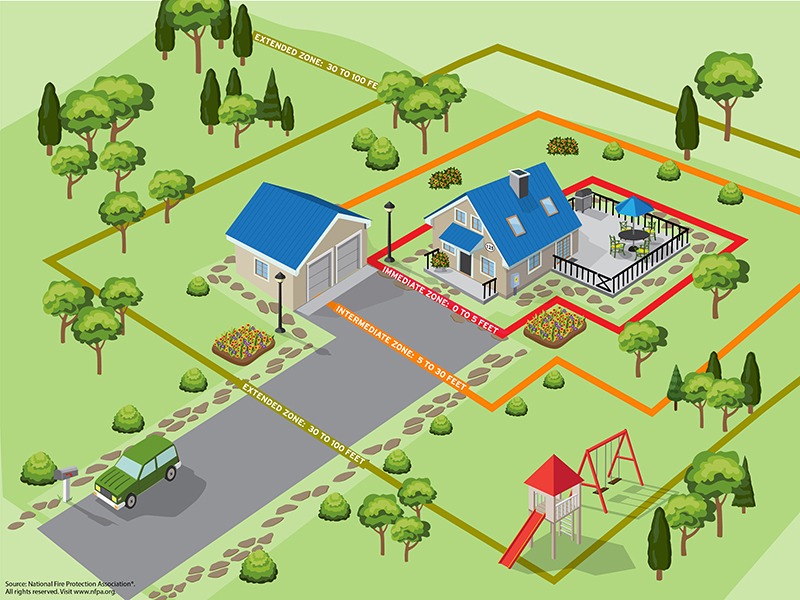
Fire researchers have pointed to embers, not direct flame contact, as the way most homes were lost in the 2025 Palisades fire, drifting ahead of the fire line and finding their way into vents, gaps, and anything combustible near the house. Fire-hardening standards are built around closing those entry points. In practice, that means construction under the state's Wildland-Urban Interface code (Chapter 7A): Class A fire-rated roofing, ember-resistant vent screens, enclosed eaves, dual-pane tempered windows, non-combustible siding near grade, and defensible space in the first five feet around the structure, often called Zone 0.
Which materials and design choices are required, and which are recommended?
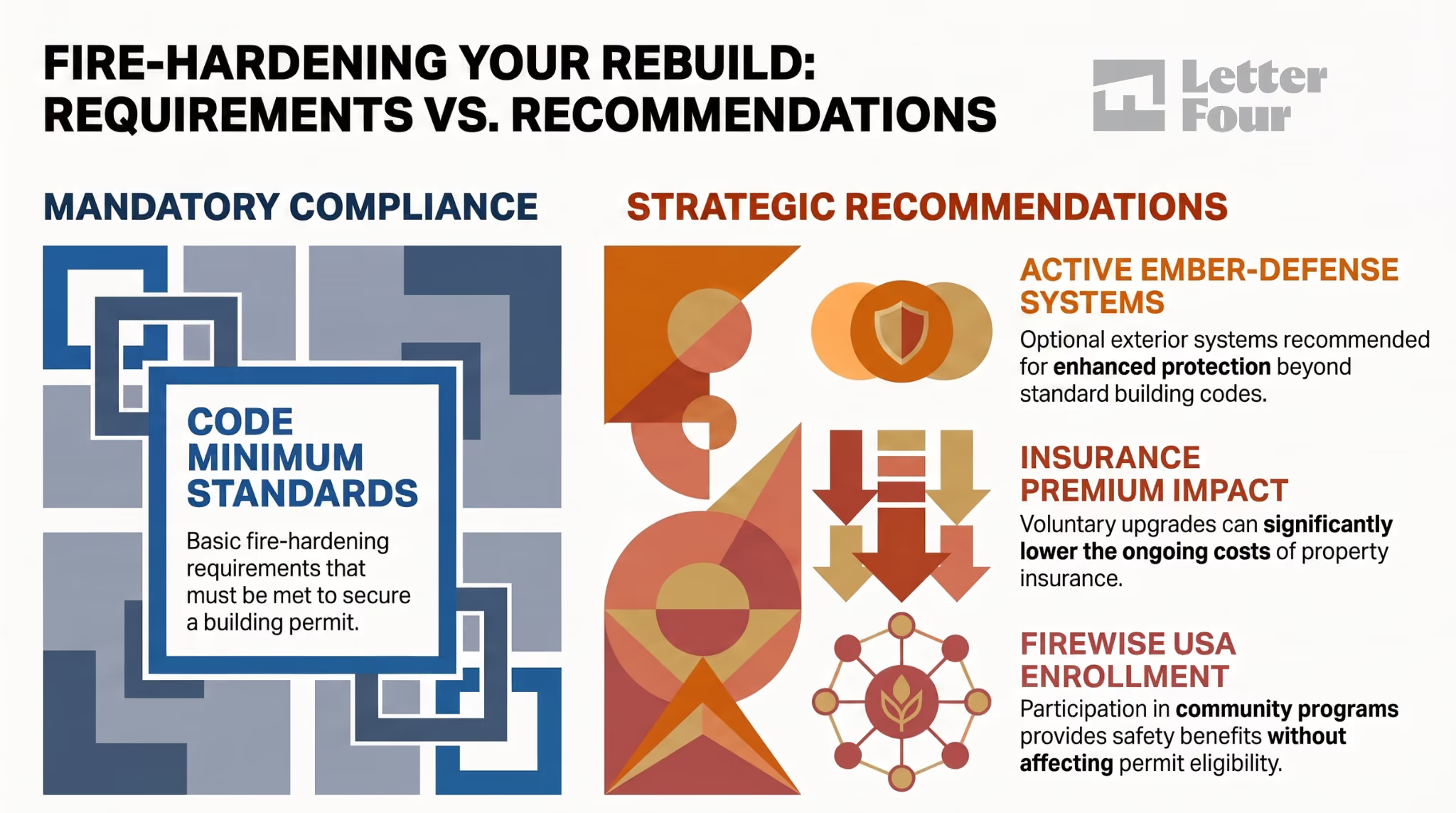
Anything in a Very High Fire Hazard Severity Zone, which covers most of the Palisades, falls under Chapter 7A as a baseline requirement, not a nice-to-have. During plan check, LADBS engineers are focused on exactly this: fire-resistant assemblies, enclosed eaves, tempered glazing, and structural reinforcement are the most common areas where corrections come back. Beyond code minimums, some choices are recommended rather than required, like active exterior ember-defense systems or enrolling in a Firewise USA community program. Those extras don't affect whether you get a permit, but they can affect what you pay for insurance, which is worth understanding before you decide where to spend your upgrade budget.
How do these standards affect your permit timeline and budget?
Plan check for a Palisades rebuild currently runs roughly eight to sixteen weeks, with simple like-for-like rebuilds sometimes moving faster, closer to six to eight weeks. Total time from application to permit issuance is running about four to six months for straightforward projects, and nine to twelve months or more for anything requiring multiple agency approvals, such as Coastal Commission review. As of the fire's first anniversary, over 2,600 residential permits had been issued between the Palisades and Altadena combined, roughly one for every five homes lost, with the Alphabet Streets, Via, and El Medio neighborhoods accounting for the bulk of recent permit activity. Fire-hardened materials and the added design review do add real cost and time upfront. What we've seen make the biggest difference is getting those assemblies right in the drawings the first time, since correction cycles at plan check are where projects lose months, not the materials themselves.
Does fire-hardening actually help with your insurance?

Under California's Safer from Wildfires regulation, insurers that price policies by wildfire risk are now required to give credit for documented mitigation, not just the FAIR Plan. The FAIR Plan itself, which has become the dominant insurer in high-risk ZIP codes across the state, introduced a Wildfire Hardening Discount program for policies dated November 15, 2025 or later. It offers up to twelve separate discounts across four categories: your immediate surroundings (Zone 0, landscaping, fencing), the structure itself (roof, eaves, vents, windows, walls, chimney), a bonus for completing an entire category, and community-level programs like Firewise USA. Reported savings vary somewhat by source and policy type, generally landing in the range of roughly 13 to 16 percent off the wildfire portion of a premium, so it's worth confirming the exact current figures with your broker or the FAIR Plan directly before you count on a specific number.
How does Letter Four build these standards in from day one?
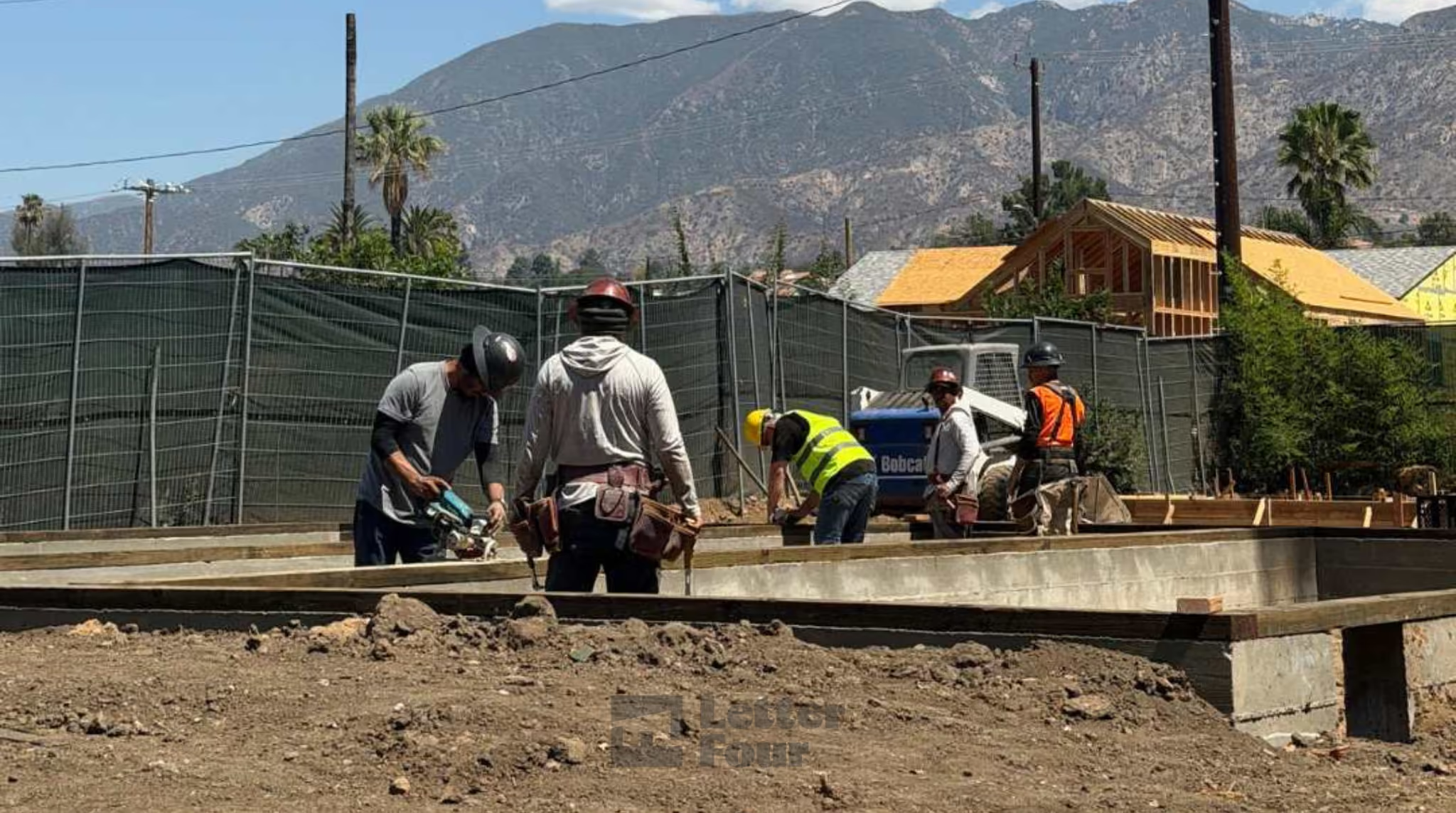
Because we operate as both architect and contractor, fire-hardening decisions get made at the design table, not discovered as a correction at plan check. Lauren leads the design work with these assemblies in mind from the first drawings; Jeremy and the build team carry that same standard through construction, so what gets drawn is what actually gets built and inspected. That coordination is where a lot of the timeline and cost risk on fire rebuilds either gets absorbed early or compounds later.
If you're navigating what fire-hardening means for your specific property, we're glad to walk through it with you, no obligation, just a clear conversation about what your rebuild actually needs. Your home again. Let's build it.
Frequently Asked Questions
Is fire-hardened construction more expensive than a standard rebuild?
Generally yes, but the gap is narrower than most homeowners expect, since Chapter 7A materials like Class A roofing and ember-resistant vents are now the standard baseline in Very High Fire Hazard Severity Zones rather than an upgrade. The bigger cost driver is usually design coordination and correction cycles at plan check, not the materials themselves. Building the fire-resistant assemblies into the drawings correctly the first time tends to matter more for your final budget than the specific products chosen.
What's the difference between “fire-resistant” and “fireproof”?
Nothing is fireproof. Fire-resistant construction is designed to slow ignition and resist ember intrusion for long enough to significantly reduce the chance of the structure catching fire, not to guarantee it never will. Class A roofing, ember-resistant vents, and non-combustible siding all fall under this fire-resistant category. Framing your expectations around resistance and risk reduction, rather than guaranteed protection, is a more accurate and useful way to think about these upgrades.
Do fire-hardening upgrades actually lower my insurance premium?
They can, particularly through the FAIR Plan's Wildfire Hardening Discount program for policies dated November 15, 2025 or later, and under the state's Safer from Wildfires regulation, which now requires admitted insurers to factor in documented mitigation as well. Reported discounts generally fall somewhere around 13 to 16 percent off the wildfire portion of a premium, though the exact figure depends on your policy type and which categories of hardening you complete. Confirm current numbers with your insurer or broker before budgeting around a specific percentage.
What parts of fire code are required versus optional for my rebuild?
If your property sits in a Very High Fire Hazard Severity Zone, which covers most of the Palisades, Chapter 7A requirements like Class A roofing, ember-resistant vents, enclosed eaves, and tempered glazing are mandatory, not optional. Extras like active exterior ember-defense systems or joining a Firewise USA community program are recommended for insurance benefits but won't affect whether your permit is approved. A design-build team can help you tell the difference early, before it affects your budget.
How long does plan check take for a fire-hardened rebuild in the Palisades?
Currently, plan check is running roughly eight to sixteen weeks, with straightforward like-for-like rebuilds sometimes moving faster, closer to six to eight weeks. Total time from application to permit issuance tends to average four to six months for simpler projects, and nine to twelve months or more when additional agency approvals, like Coastal Commission review, are involved. Timelines are shifting as the city adjusts its process, so treat these as a current snapshot rather than a fixed guarantee.
Sources
CalMatters, “LA changed this to speed up rebuild from Palisades, Eaton fires,” January 2026. Westside Current, “Alphabet Streets Lead Pacific Palisades 2026 Rebuild Surge,” March 2026. My Heart Construction, “Pacific Palisades Fire Rebuild Permits 2026,” April 2026. Latent Insurance, California FAIR Plan and wildfire-zone insurance guides, 2026. California FAIR Plan Association program materials on Wildfire Hardening Discounts, effective November 15, 2025.
.png)

.svg)

















.avif)